
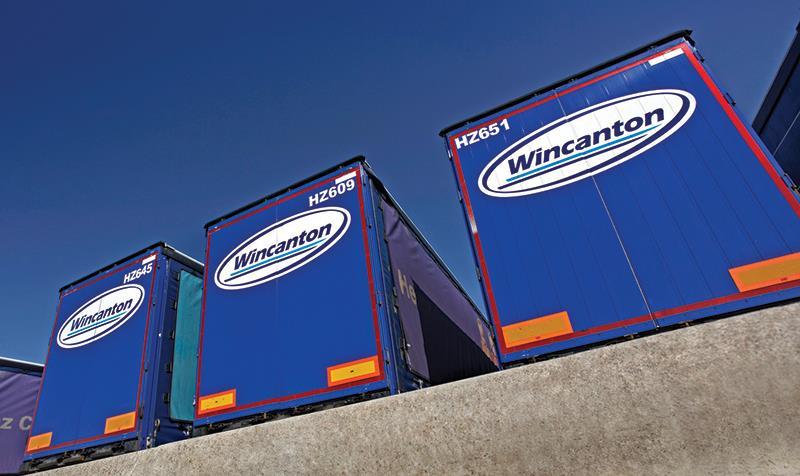

The UK government’s Competition and Markets Authority (CMA) is scrutinising GXO Logistics’s takeover of Wincanton, which may result in delays or potentially prevent the merger if deemed anti-competitive.
- The merger was sealed shortly before the CMA issued an Initial Enforcement Order, indicating potential anti-competitive concerns.
- The CMA now has 40 days to decide whether the merger should be escalated to a Phase 2 investigation.
- A Phase 2 investigation, if initiated, could extend the scrutiny period for up to 24 weeks or longer under special circumstances.
- Analysts suggest that while some sector-specific challenges exist, broad-scale issues are unlikely to impede the acquisition.
The Competition and Markets Authority (CMA) has launched an investigation into the acquisition of Wincanton by GXO Logistics, raising concerns about potential anti-competitive outcomes. This regulatory scrutiny comes after the issuance of an Initial Enforcement Order (IEO), suggesting the merger might contravene competition laws if allowed to proceed without oversight.
The IEO issued days prior to the deal completion prohibits any integration actions between the two companies while the investigation unfolds. Specifically, GXO and Wincanton must remain operationally separate, maintaining independence in all markets they each influence. This order underscores the CMA’s commitment to maintaining competitive market conditions and preventing undue influence consolidation.
Within 40 working days, the CMA must decide to either clear the merger or escalate it to a more comprehensive Phase 2 investigation. Such investigations delve deeper into market impacts and have a standard duration of 24 weeks, extendable by an additional 8 weeks if justified. Expedited ‘fast track’ requests can be made by the parties, yet this too hinges on CMA approval.
Despite these regulatory hurdles, sector analysts like Chris Clowes from logistics consultancy Scala, express confidence that the merger will likely proceed. He notes potential sector-specific adjustments, such as changes in supplier strategies exemplified by Sainsbury’s, but anticipates limited widespread disruption.
Both GXO and Wincanton have remained silent on the issue, highlighting the sensitive nature of the regulatory process each entity is currently navigating. This non-disclosure is consistent with corporate norms during ongoing investigations, reflecting an adherence to legal prudence. The complexity and potential ramifications of the merger necessitate this thorough examination by regulatory bodies.
The ongoing CMA investigation highlights the delicate balance between corporate mergers and maintaining competitive fairness in the market.

