
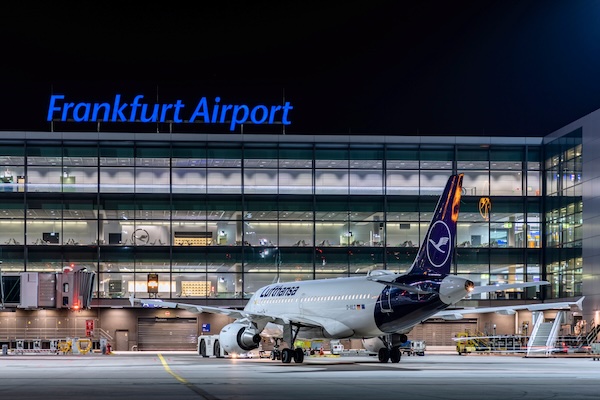

A climate protest early Thursday morning caused temporary disruption at Frankfurt Airport, Germany’s busiest air hub.
Activists staged a demonstration near the runways, leading to flight suspensions and highlighting vulnerabilities in transport infrastructure.
Demonstration Details
Climate activists initiated a protest early Thursday morning, leading to the temporary suspension of air traffic at Frankfurt Airport, Germany’s busiest hub. This demonstration, staged near the runways, prompted airport authorities to issue a travel advisory, urging passengers to verify their flight status and allocate additional travel time. The disruption underscored the vulnerabilities of key transport infrastructure to protests, particularly those aimed at environmental advocacy.
Police Involvement
Authorities swiftly responded to the incident, with a police spokesperson confirming efforts to remove the protestors from the airport premises. This intervention highlights the delicate balance between maintaining operational security and upholding the right to peaceful protest. The incident temporarily halted numerous flights, impacting the schedules of hundreds, if not thousands, of passengers.
Activist Tactics
Members of the group ‘Letzte Generation’ reportedly breached security by cutting through the perimeter fence of the airport. This allowed them to reach the runways on bicycles and skateboards, where they displayed banners with messages such as ‘oil kills.’ Such direct action tactics are part of the group’s strategy to draw attention to their demands for a global transition away from fossil fuels by 2030.
Response by Authorities
In the wake of the protest, airport operations began a gradual return to normalcy. Passengers were advised to stay updated via airline websites. The incident at Frankfurt was not isolated, as Cologne-Bonn Airport experienced similar protests leading to flight suspensions. Previous attempts at other European airports were, however, thwarted by local authorities.
Despite the temporary nature of the disruptions, the events at Frankfurt and Cologne-Bonn highlight the growing frequency and intensity of climate protests at major transportation hubs. These demonstrations are often characterised by high-risk actions designed to disrupt operations and draw media attention.
Statements from Activists
‘Letzte Generation’ articulated their intentions clearly, demanding that the German government spearhead efforts to eliminate the dependency on oil, gas, and coal by the end of the decade. They announced intentions for coordinated protests not just across Europe, but extending into North America.
The group emphasised their commitment to non-violent civil disobedience, a hallmark of their protest methodology. Their actions are intended to awaken both public consciousness and government action toward the impending climate crisis.
Impact on Airline Industry
Flight disruptions, albeit temporary, present considerable logistical challenges for airlines. Each delay reverberates through schedules, affecting not only the airlines but also their passengers and the broader travel itinerary. Recovery from such disruptions requires prompt rescheduling and effective communication strategies.
Airline industries are increasingly navigating a landscape where they must address both environmental criticisms and operational challenges posed by such protests.
Legal and Regulatory Implications
The incident raises questions about the adequacy of current security measures at major airports. It further prompts discussions on the balance between security protocols and the facilitation of peaceful protest. Regulatory bodies may find themselves challenged to revisit policies that govern airport security in the wake of increasingly bold activist strategies.
Moreover, the legal repercussions for activists engaged in such high-profile demonstrations prompt debates about the distinction between civil disobedience and unlawful activity.
Public and Media Reactions
The events at Frankfurt sparked significant media coverage, highlighting the tensions between environmental activism and transport operations. Public reactions varied, with some expressing strong support for climate action, while others raised concerns about safety and travel disruptions.
The Frankfurt airport protest underscores the rising influence of environmental activism on major transport hubs.
As similar actions gain momentum, balancing security, operational integrity, and activism will be crucial for future resilience.

