
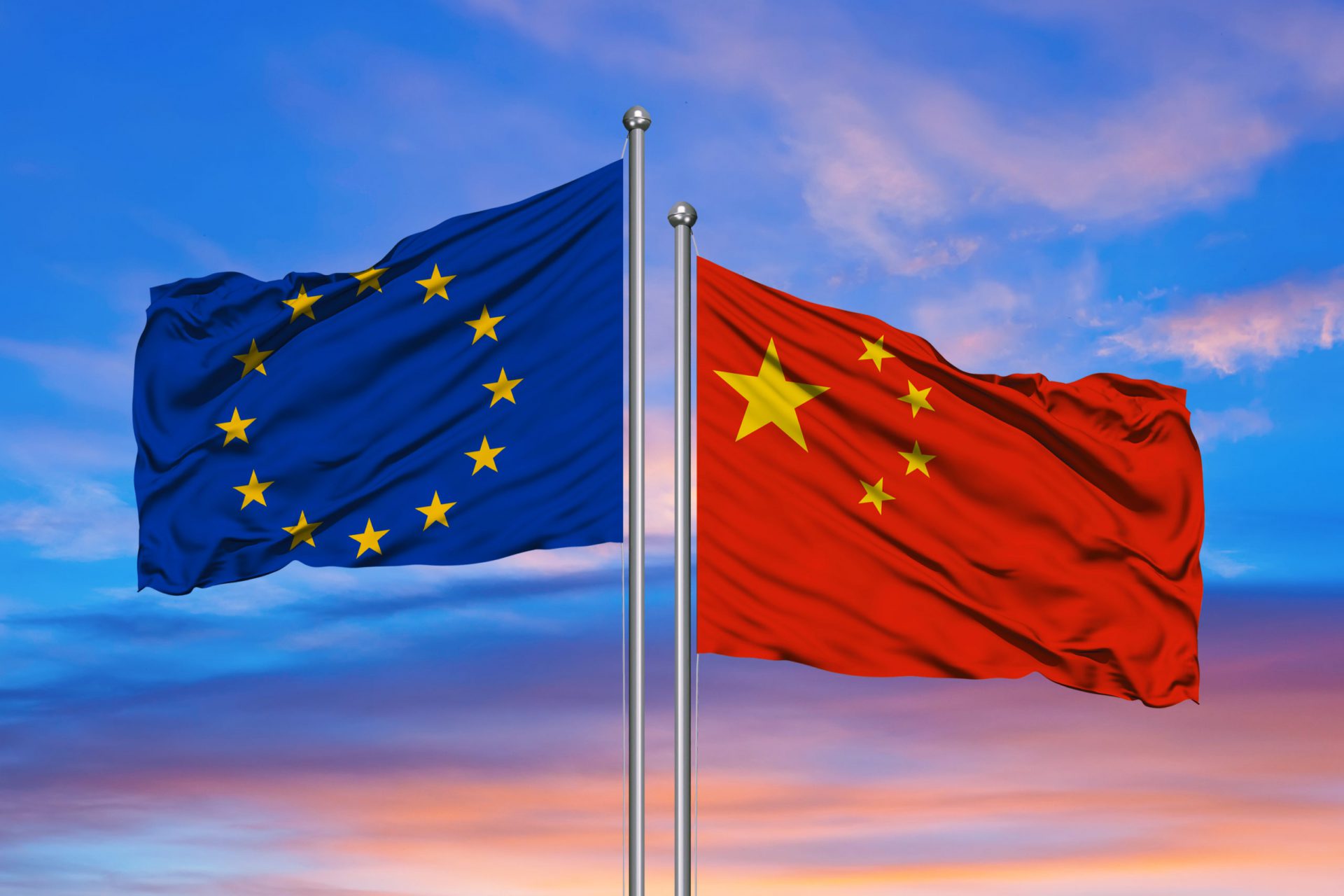

The Belt and Road Initiative (BRI) by China has now reached the borders of Europe, marking a significant expansion in the policy’s scope.
Recent agreements with Azerbaijan and Georgia highlight China’s strategic move to connect Asia and Europe, impacting global trade dynamics.
Expanding China’s Trade Influence: BRI in Europe
China’s Belt and Road Initiative has entered a new phase by stretching its reach to European borders through strategic agreements with Azerbaijan and Georgia. These countries are pivotal as they form the Middle Corridor, bridging Asia with Europe. This initiative is expected to enhance infrastructural developments, streamline customs procedures, and improve logistics, thereby bolstering trade routes.
The Ministry of Economy and Sustainable Development of Georgia noted that the recent memorandum signing not only aims to fortify trade and economic ties but also to attract foreign investments into Georgia. Furthermore, it seeks to facilitate the export of Georgian products to China, an opportunity that could drive economic growth within the region.
China Brings BRI to Developing European Nations
Traditionally focused on Asia and Africa, the Belt and Road Initiative now makes its debut on the European scene. It represents a departure from its initial geographic focus, bringing China’s economic influence to the doorstep of Europe. This vast infrastructure project promises billions in loans for developing countries to boost their economies through construction and development.
Nevertheless, BRI has its share of criticisms. Some argue that it places developing countries under financial strain, leading to situations where countries like Sri Lanka and Pakistan have struggled to manage their finances under the burden of loans.
China’s first move into the European borders with the BRI should be closely watched as it could redefine economic alliances. Countries involved must learn from the experiences of others who have previously engaged with BRI projects.
Challenges and Criticisms of the Belt and Road Initiative
The BRI, while ambitious, is often scrutinised for its potential impact on the financial independence of participating nations.
History has shown that countries like Sri Lanka have faced economic downturns due to the inability to repay hefty loans, resulting in significant financial leverage for China.
Such potential pitfalls underscore the need for cautious navigation as European nations venture into this initiative.
At the heart of concerns is the risk of debt dependency which could compromise sovereign decision-making. As these developing nations in Europe consider the BRI, it’s imperative to critically assess financial commitments and ensure sustainable economic strategies are in place.
Strategic Importance of the Middle Corridor
Azerbaijan and Georgia’s involvement in the Middle Corridor is a critical component for China’s BRI strategy, linking the East and the West. This corridor presents a new avenue for enhancing economic exchanges between Asia and Europe, potentially transforming trade flows across continents.
For China, gaining a foothold in these nations offers a strategic advantage in accessing European markets, opening up new channels for Chinese exports.
The strengthening of these trade links could also stimulate economic growth within the South Caucasus region. It demonstrates China’s foresight in establishing a robust economic network that transcends traditional geopolitical boundaries.
Potential Economic Impact on European Borders
The entry of the BRI into European borders could herald new economic opportunities, driving infrastructural and economic advancements.
However, it is crucial for nations to remain vigilant about the financial obligations that accompany these projects.
As the BRI makes headway, European nations must weigh the benefits of improved infrastructure and trade links against the long-term financial implications.
By doing so, they can leverage the initiative to foster economic growth without compromising financial stability.
Future Prospects and Considerations
Looking ahead, the Belt and Road Initiative’s expansion into Europe will be a development of considerable interest for global economic stakeholders.
The true outcomes will depend on how well these European nations manage their partnerships with China, ensuring that the benefits outweigh the potential economic burdens.
As with any major international venture, strategic foresight and negotiation acumen will be key in maximising the advantages of this ambitious project.
The trajectory of the BRI in Europe could set new precedents for international cooperation and economic integration, influencing global trade patterns for years to come.
Conclusion
The Belt and Road Initiative’s move into Europe marks a significant leap in its global reach, offering both opportunities and challenges.
It is an unfolding narrative that requires careful observation as European nations navigate their new role within this sweeping economic framework.
The Belt and Road Initiative stands at a crossroads as it steps into Europe, offering a tapestry of opportunities and challenges.
European nations must exercise diligence and strategic foresight to harness the benefits while mitigating potential financial risks.

