
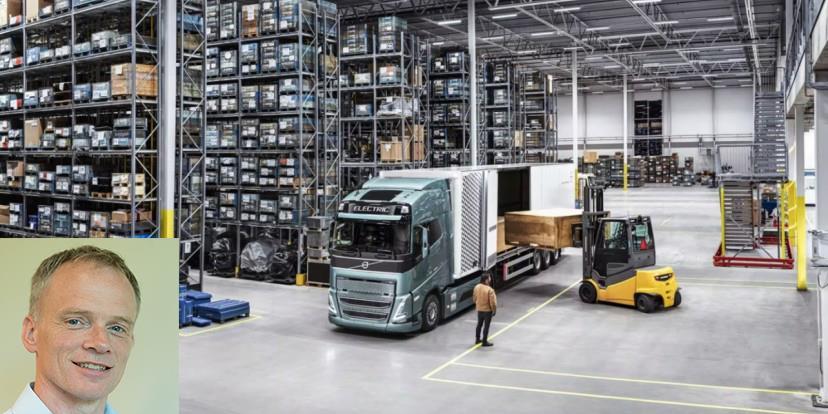

The transition to electric vans and trucks is accelerating worldwide, driven by governmental policies and incentives.
- Electric vehicle (EV) adoption is particularly prominent in the UK, China, and the US, each with unique challenges and successes.
- Companies like Amazon and Evri are spearheading electric fleet expansions, showcasing significant cost and efficiency benefits.
- Infrastructure advancements, such as fast-charging networks, are pivotal in supporting the burgeoning electric vehicle market.
- Despite substantial progress, several barriers persist, including infrastructure limitations and material supply constraints.
The transition to electric vehicles (EVs), particularly vans and trucks, is gathering pace globally as government measures prohibit or limit the sale of non-electric vehicles. These initiatives, coupled with financial incentives, are compelling fleet and delivery businesses to consider electric alternatives over conventional petrol and diesel options.
In the United Kingdom, the number of battery electric vans (BEVs) has surged, with over 60,000 on the roads by mid-2024. Increasing demand, particularly within fleet registrations, is fostering the release of new models. Significant developments in battery technology, providing enhanced range and faster charging, alongside a growing charging infrastructure, render BEVs an optimal choice for commercial purposes. Major logistics companies, including DHL, UPS, and Amazon, are committing to electrifying their fleets. Amazon’s sustainability initiative began in 2022, resulting in over 15,000 electric vans in the US and more than 1,000 in the UK.
Evri, a parcel delivery company, is investing £19 million in the UK’s largest electric cargo bike fleet, aiming to scale its fleet from 33 to 3,000 e-cargo bikes by 2033, in line with its net-zero ambition by 2035. Evri’s current fleet of 168 EVs is set to expand to 270 within a year, anticipated to facilitate 1.5 million parcel deliveries annually across cities like London and Bristol. They are also investing over £1 million to enhance their charging infrastructure, supporting the deployment of 148 new EVs by Christmas this year and another 122 by spring 2025.
The shift to electric vans and trucks offers substantial advantages, including lower operational costs, with electric vans costing approximately 8.5p per mile compared to 19.2p for diesel, a 77% cost saving. The uptake of public EV charging has surged 264% year on year. Faster charging and improved battery management systems will increase BEV practicality, encouraging manufacturers to design models to meet specific delivery logistics needs.
In the United States, the shift is similarly underway but faces challenges such as higher initial costs and insufficient charging infrastructure. Notably, states like California are leading with ambitious zero-emission vehicle sales targets and incentives to foster EV adoption. However, US EV sales account for less than 7% of total global BEV sales. Collaborative projects between car manufacturers and energy firms aim to mitigate these infrastructure hurdles, with significant investments in EV charging and hydrogen fueling networks.
China leads the worldwide shift to electric vehicles, being among the few countries surpassing the 5% tipping point in EV adoption. In China, BEV sales represent 57% of the global total, spurred by strict emissions regulations and robust government subsidies. Chinese companies like BYD and Geely Auto Group are at the forefront of innovation, mastering battery management and thermal technologies. China also controls a significant portion of global battery production capacity, reinforcing its position in the electric revolution.
The global transition to electric vans and trucks, influenced by regulatory measures and technological innovations, is set to progressively transform fleet operations, albeit gradually overcoming existing infrastructure and supply challenges.

