

The Labour government’s forthcoming Budget is set to increase employment costs, raising concerns among travel industry leaders.
- Chancellor Rachel Reeves plans to unveil significant fiscal measures, including a £20 billion business tax increase.
- Employers face a 2% rise in national insurance contributions, compounding a 6.7% National Living Wage hike.
- Industry voices warn that smaller businesses will be significantly impacted, potentially leading to reduced staff and bonuses.
- The planned tax changes arrive amidst ongoing political instability and economic pressures, making future business strategies uncertain.
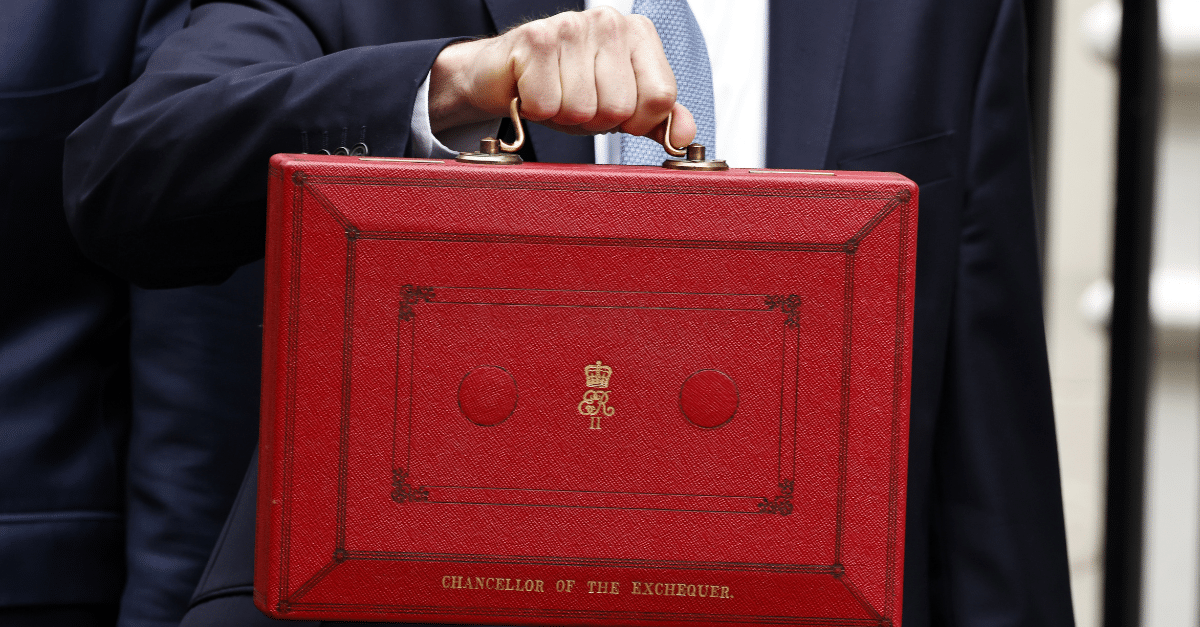
Chancellor Rachel Reeves is set to introduce new fiscal measures today, which are causing unease within the travel industry. Among these measures is a proposed £20 billion increase in business taxes, expected to be a prominent feature of the budget.
A major point of concern for employers is the 2% rise in national insurance contributions, which adds to the recently confirmed 6.7% increase in the National Living Wage. Industry leaders fear that these changes will disproportionately impact smaller businesses, which already face tight profit margins and economic challenges.
Alistair Rowland, chief executive of Blue Bay Travel and chair of Abta, voiced his concern about the upcoming budgetary changes. He stated that a 2% increase in employers’ national insurance, alongside the rise in the national living wage, is a significant burden for small businesses, potentially increasing payroll costs by up to 7%. Rowland predicts that businesses might have to either consolidate their workforce or cut back on bonuses, describing the anticipated period as “painful.”
Julia Lo-Bue Said, CEO of the Advantage Travel Partnership, echoed these sentiments, pointing out that any additional costs challenge businesses already operating with thin margins and political instability. She highlighted the dilemma many face: rising costs don’t equate to increased revenues, and many companies continue to struggle with debt management and high interest payments. The apprehension is that these pressures may prevent businesses from expanding their workforce or rewarding their current staff.
Martyn Sumners, executive director of Aito, added that while the government professes a desire to stimulate growth and support smaller enterprises, the proposed measures seem counterproductive, particularly for small and medium-sized enterprises (SMEs) already on tight margins. There is a concern that these fiscal adjustments could further strain an already challenging environment.
There are wider implications of this budget, including an increase in taxes for wealthier individuals and an extension of the freeze on income tax thresholds. Alistair Rowland suggests these changes will also affect consumer spending, with increased holiday costs potentially deterring sales. He expressed that the recent market has been sluggish, with consumer engagement being notably passive.
The budget’s timing is critical as businesses and individuals navigate an already unpredictable economy. With the pound recently valued at $1.30, there’s concern about how these economic measures will influence the future exchange rate and overall market stability.
The Budget’s proposed fiscal changes introduce significant challenges for the travel industry, particularly impacting smaller businesses.

