
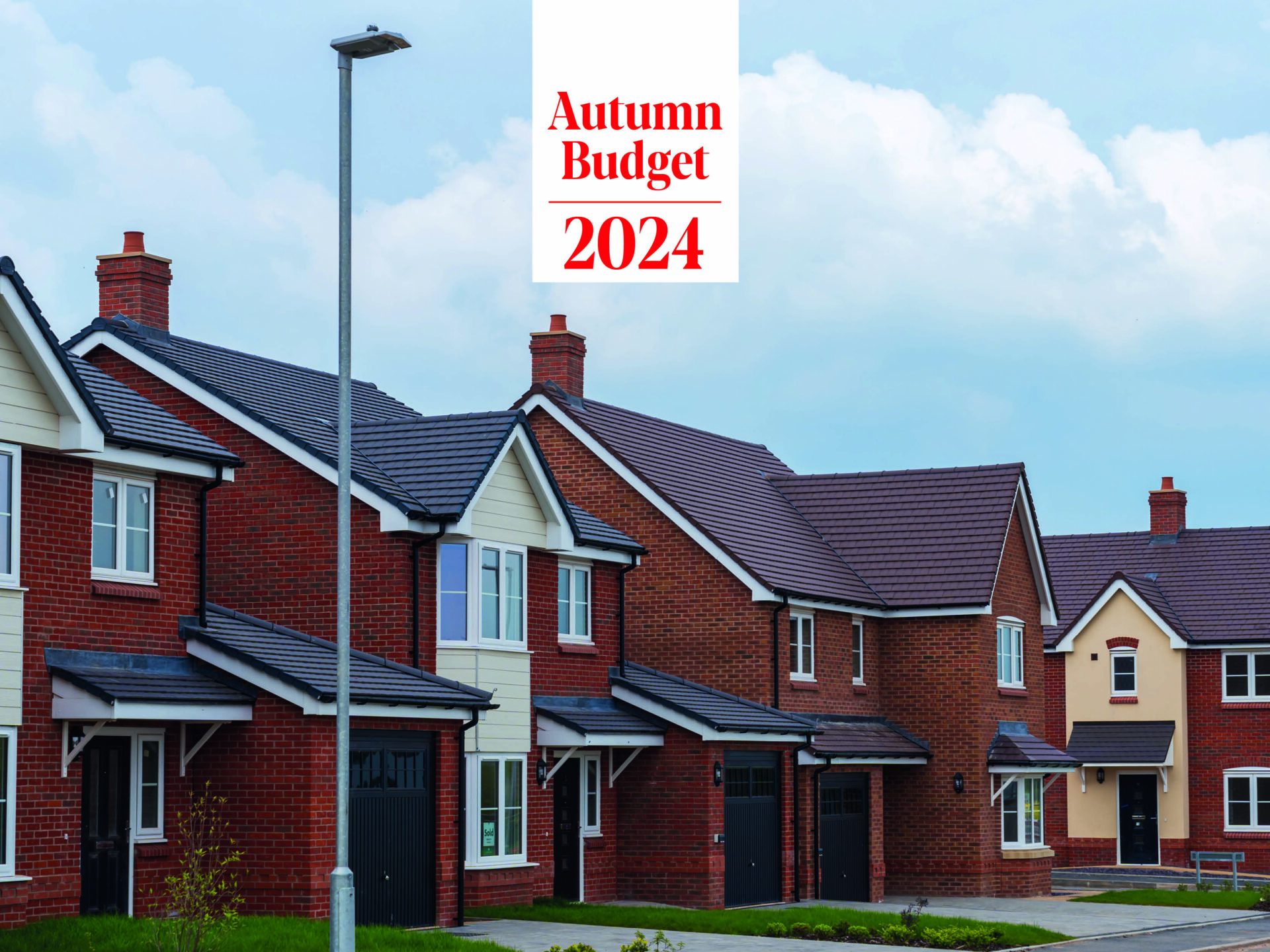

The Autumn Budget 2024 introduced reforms to the Stamp Duty Land Tax to encourage homeownership and bolster the housing market.
- An increase in the higher rate for additional dwellings to 5% was announced, effective immediately.
- The government pledged £5bn investment to drive the construction of new homes and aid small house builders.
- Despite the announcements, concerns were raised about insufficient support for first-time buyers.
- Industry experts express uncertainty over the impact of reforms, particularly concerning Stamp Duty relief.
The recently announced Autumn Budget 2024 saw significant updates to the Stamp Duty Land Tax, targeting homeownership growth and a more active housing market. The Chancellor unveiled a rise in the higher rate for additional dwellings to 5%, effective from 31st October. This change is expected to affect over 130,000 home transactions in the coming five years.
Furthermore, the government has committed a £5bn investment aimed at increasing the housing supply. This financial backing is intended to facilitate the building of thousands of new homes, also serving as a relief for small house builders. This move forms part of the government’s broader strategy to enhance access to homeownership.
However, the announcements have been met with mixed reactions from experts. John Phillips, CEO of Spicerhaart and Just Mortgages, voiced his concerns about the budget, pointing out the lack of substantial support for first-time buyers. According to him, while increasing housing supply is necessary, immediate assistance is crucial to ease affordability issues for new buyers.
Phillips further noted the looming end of Stamp Duty relief in April, a situation which could create urgency among buyers and potentially complicate market dynamics. He argues that although the increased stamp duty on second homes might boost transactions, it could also strain rental supply, leading to higher rents and more challenges for those trying to save for deposits.
The industry remains watchful, especially with the prospect of another base rate cut this year, which could incentivise activities from lenders and prospective buyers alike. However, as Phillips suggests, the burden appears to fall once again on the industry to sustain buyer support and the momentum of the housing market.
The Autumn Budget 2024 has prompted a mixed response, with reforms seen as a step forward but lacking comprehensive support for new homebuyers.

