
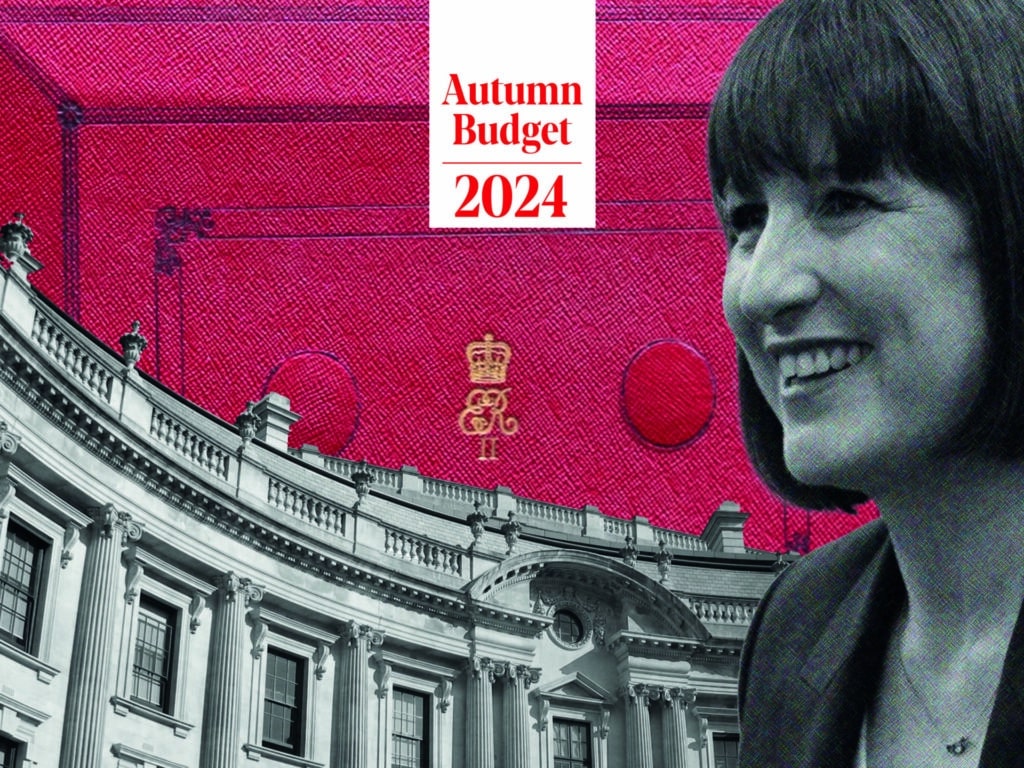

The upcoming Autumn Budget is stirring discussions on housing policy’s impact on property investment and ownership.
- Potential changes to Capital Gains Tax could influence buy-to-let investments and the housing market’s balance.
- Adjustments to Inheritance Tax may affect property retention and market availability.
- Experts propose Stamp Duty revisions to support first-time buyers and market activity.
- Calls for new housing policies to boost building align with economic and social mobility goals.
As anticipation builds around the Government’s forthcoming Autumn Budget, experts in the mortgage sector are emphatically urging Chancellor Rachel Reeves to act on her commitment to revitalize the UK’s housing market. The forthcoming policies could deeply impact property investment, homeownership accessibility, and mortgage affordability. Rumours are circulating about potential alterations to significant taxes, including Capital Gains Tax (CGT), Inheritance Tax (IHT), and Stamp Duty – all pivotal in shaping the housing dynamics in the country.
One primary concern is the likelihood of an increase in CGT rates. This could discourage investment in buy-to-let properties, potentially leading landlords to sell, thus temporarily boosting property availability. However, a longer-term consequence might be reduced investments, adversely affecting rental availability and house price growth.
Another focal point is Inheritance Tax, with speculation about potential revisions making thresholds more lenient. Should these changes take effect, it could allow families to retain property assets more easily, thereby potentially reducing the number of homes entering the market via inheritance sales.
On the issue of Stamp Duty, market professionals are advocating for adjustments to aid first-time buyers. Such changes might involve temporary reliefs or revisions to thresholds due to expire next spring. Reducing Stamp Duty can significantly lower upfront costs, easing new buyer entry into the market, which in turn could increase demand and potentially drive up house prices.
In addition to tax policies, there’s a significant push for the Government to introduce policies encouraging affordable housing, streamlining planning processes and supporting SMEs. All of these could not only ease housing market pressures but also enhance job opportunities and social mobility, resonating with broader economic goals.
Jeremy Leaf, a North London estate agent, highlights the crucial need for affordable housing supply, stressing its importance on the job market and social mobility. He suggests that first-time buyers play a fundamental role in the housing ecosystem, a sentiment echoed across the industry.
Matthew Robertson from Valouran argues for a budget that facilitates economic growth rather than adopting an approach that could stifle investment, particularly concerning the segment of non-domiciled individuals and the current CGT rates affecting them.
Opinions are also focusing on sustainable growth within the property market. Chris Parra from One Caribbean Estates mentions the need for sustainable building incentives, while others, including Nick Hale and Melanie Spencer, underline the necessity for long-term reforms in housing policies over short-term solutions.
Industry players like Adrian Moloney and Simon Webb are wary of the impact of potential tax changes, underlining the need for flexible mortgage products and supportive Government policies.
The Budget discussion continues to unfold with varying opinions and expectations, but at its core remains the hope for a rejuvenated housing sector that aligns with both market demands and sustainable growth initiatives.
The anticipation for the Autumn Budget underlines the urgent need for comprehensive housing policies that balance market and economic growth.

