
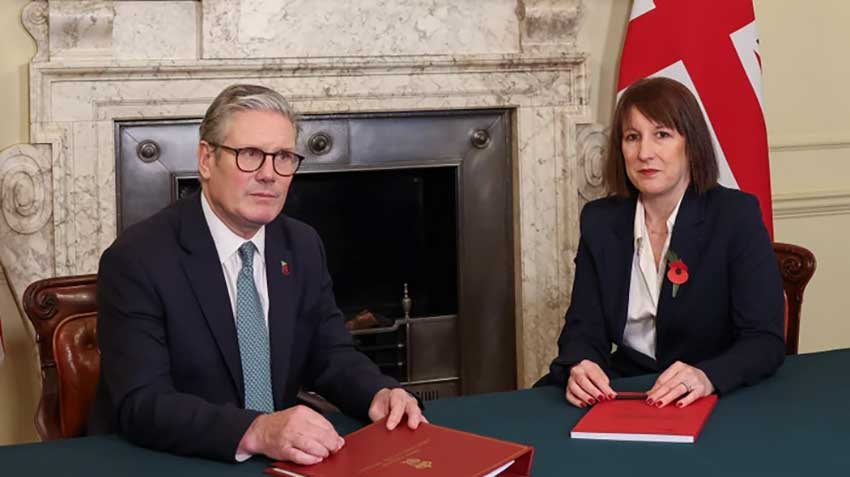

Chancellor Rachel Reeves has moved to reassure parties concerned about potential tariffs imposed by the re-elected Trump administration. Her stance is firmly rooted in the UK’s dedication to continuing free and open trade with the US, especially given the significant £311bn trading relationship. In light of Trump’s suggested tariffs, Britain’s strategy aims to navigate these economic shifts with finesse and stability.
With proposed US tariffs looming, Reeves has emphasised the importance of the UK-US economic bond, showcasing Britain’s proactive approach in opposing trade barriers while championing global trade partnerships. Her recent comments reveal the balancing act required to uphold economic collaboration with the US while adapting to shifting trade policies.
Introduction of Tariff Policies
Chancellor Rachel Reeves has addressed concerns surrounding the re-election of Mr Trump and his potential implementation of tariffs. She stressed that the UK remains dedicated to maintaining “free and open trade” with the United States. Amidst Trump’s proposed tariffs of up to 60% on Chinese imports and 10-20% on other foreign goods, Reeves acknowledged the shift in U.S. economic strategies, emphasising domestic manufacturing and economic independence.
Implications for Global Policymakers
The Chancellor noted that the current economic policies reflect a pragmatic approach rather than sheer protectionism. This new global trend focuses on understanding the importance of where products are made, who produces them, and the ownership structures behind these actions. This shift has significant implications for global policymakers who must now balance domestic priorities with international trade relations.
UK-US Economic Partnership
Reeves underlined the critical nature of the UK’s trading ties with the United States. “Our trading relationship and our economic relationship with the United States is absolutely crucial,” she mentioned. The U.S. stands as the UK’s largest trading partner, with annual trade flows amounting to £311 billion. Not only does this relationship bolster trade, but it also enhances security and defence collaborations.
Britain plans to oppose new tariffs while seeking cooperation with the U.S. in areas of mutual benefit. Reeves promised to make “strong representations” against tariffs that might target British goods. She highlighted the UK’s ambition to shape the global economic landscape, affirming that free trade enriches both the UK and the US.
The Future of Free Trade
Reeves stated the importance of free trade in fostering economic prosperity. “Free trade access is what makes us richer as societies,” she insisted. The UK sees itself as a key influencer in global trade dynamics, capable of steering the economic framework to favour open trade practices. Successive UK governments have prioritised this approach, confident in its benefits.
Trump’s Domestic Agenda
With Trump refocusing efforts on reducing the U.S. trade deficit with China, his policies have shifted towards bolstering local manufacturing through import restrictions. This inward look poses challenges for key trade allies, including the UK, which must navigate the landscape of a tariff-driven U.S. trade policy.
The Chancellor’s statements reflect a delicate balance between preserving economic ties with the U.S. and advocating for a global trade environment that supports mutual growth. The UK-US trade relationship, valued significantly, continues to benefit both nations, despite looming tariff threats.
Economic Cooperation under Trump’s Administration
Though faced with impending trade challenges, Reeves remains optimistic about the potential for ongoing economic cooperation between the UK and the U.S. Historically, these partnerships have thrived under varying U.S. administrations, and Reeves projects confidence that this trend will persist. The Chancellor envisions a collaborative future, even amidst the restructuring of global trade policies.
Impact on UK Industries
If implemented, new tariffs could significantly impact industries within the UK, particularly those relying heavily on exports to the U.S. Yet, Reeves assures that proactive measures are in place to mitigate these effects. Strong negotiation efforts and strategic planning are being prioritised to protect British economic interests.
Conclusion of Remarks
Concluding her remarks, Reeves emphasised the importance of maintaining a open dialogue with the U.S. to address potential economic challenges. By fostering this bilateral dialogue, the UK aims to navigate the complexities of international trade relations under the current U.S. administration. Reeves’s insights offer assurance that while challenges persist, opportunities for strong economic ties remain prevalent.
Despite the uncertainties brought about by potential tariffs, Reeves projects a confident outlook for UK-US trade relations. Her strategy focuses on leveraging shared interests to maintain strong economic ties. This approach aims to secure a prosperous partnership that withstands the challenges posed by evolving international dynamics.

