
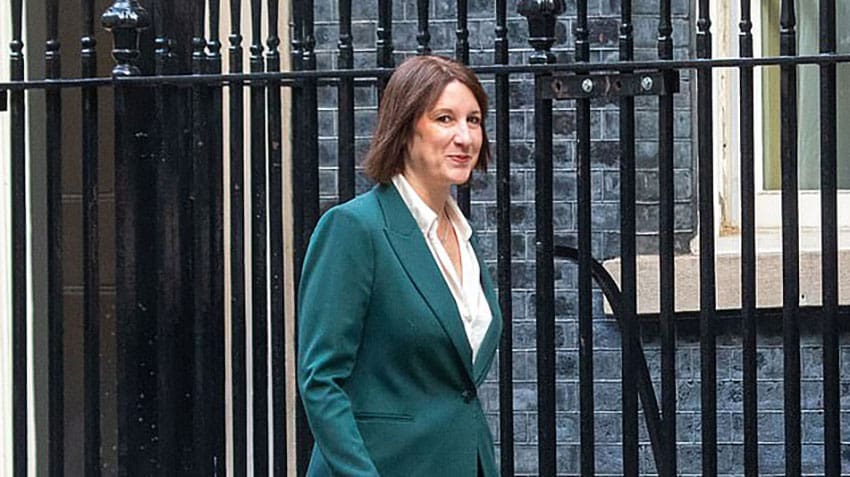

Chancellor Rachel Reeves has introduced a pivotal debt rule reform, potentially unlocking a significant £50 billion for crucial UK investments.
This strategic move aims to balance fiscal discipline with substantial capital projects, promising a transformative impact on the UK’s economic landscape.
Revolutionising Fiscal Strategy
The newly proposed debt rule by Rachel Reeves is poised to alter the fiscal landscape, permitting the government to harness over £50 billion for long-term investments. This rule focuses on public sector net financial liabilities (PSNFL) as a proportion of GDP, incorporating government assets to offer an estimated £53 billion of additional fiscal manoeuvrability.
This change shifts attention from merely reducing public sector debt over a five-year forecast, allowing for a more inclusive financial assessment that considers assets alongside liabilities.
Emphasising Investment over Expenditure
Reeves has categorically stated the additional funds will be strictly allocated to investment ventures, excluding use for public sector pay or routine expenses. “This investment is not for day-to-day spending or tax giveaways,” she asserted, underscoring a commitment to substantial fiscal regulation as protection against economic unpredictability.
Expectations are set for the government to borrow up to £25 billion, dedicating the remainder as a buffer. Investments will focus on pivotal areas such as green energy, education, and infrastructure.
Her strategy includes a new “stability rule” mandating equilibrium between daily expenditures and revenue within five years, aiming to prevent the projected decline of public investments from 2.5% to 1.7% of GDP.
Market Reactions and Expert Insights
Financial markets showed a restrained reaction post-announcement, with UK bond yields slightly increasing.
Deutsche Bank’s UK Chief Economist, Sanjay Raja, noted the UK’s bonds’ underperformance in comparison to German and US bonds. Meanwhile, Barclays’ Jack Meaning remarked on the steady market response to the PSNFL debt metric shift.
The International Monetary Fund (IMF) has lent its support to this fiscal adjustment, recommending the UK maintain its investment spending to foster economic growth. Reeves is due to further discuss this strategy with IMF Managing Director Kristalina Georgieva.
Addressing Investment Decline
Reeves’ fiscal reform is an ambitious attempt to reverse the UK’s decreasing investment trajectory, positioning the budget as a decisive junction of “investment or decline.” Maintaining investment is critical for the UK’s enduring economic vitality, Reeves argues, challenging prior Tory budgets that anticipated dwindling capital investments.
“This is about ensuring a path toward growth rather than decline,” affirmed Reeves, accentuating a fundamental recalibration of UK fiscal policy aimed at securing a robust economic future.
Profile of the Report’s Author
Jamie Young, a seasoned business journalist and Senior Reporter, brings over ten years of expertise in UK SME business coverage. Young, with a background in Business Administration, remains engaged in industry discussions to remain abreast of emerging trends, often mentoring budding journalists and entrepreneurs to inspire future business pioneers.
Young’s insights have been indispensable in dissecting complex financial topics, providing clarity for a diverse readership eager for informed analysis.
Rachel Reeves’ strategic debt rule reform outlines a progressive framework necessary for fostering UK investments while upholding fiscal discipline.
This pivotal shift not only aims for immediate economic growth but also sets a sustainable path for future advancements.

