
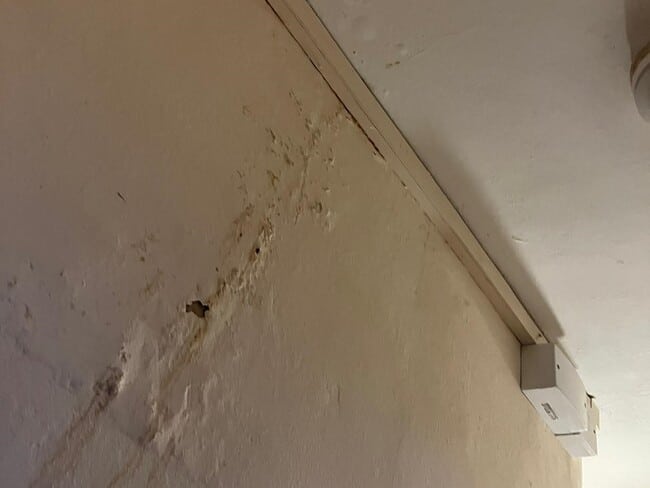

Recent investigations reveal persistent maintenance issues in social housing, affecting tenant satisfaction.
- Approximately 21% of tenants express dissatisfaction due to poor home maintenance.
- Damp, mould, and condensation are predominant concerns for over half of these tenants.
- London shows a higher dissatisfaction rate of 30%, highlighting regional disparities.
- Legal recourse through disrepair claims is available for tenants against negligent landlords.
Recent studies have highlighted a significant challenge within the UK’s social housing sector, where 21% of tenants express dissatisfaction with the maintenance of their homes. Predominantly, issues such as damp, mould, and condensation have been cited, with 55% of dissatisfied tenants attributing their grievances to these problems.
The extent of the issue is further emphasised by government data suggesting that around 6.2% of social homes are affected by damp and mould at various stages. Given the current figures of socially rented households, this translates to approximately 248,000 homes suffering from these conditions.
Particularly concerning is the situation in London, where tenant dissatisfaction rises to 30%. This regional disparity could be indicative of a more severe problem with housing maintenance in urban areas, necessitating targeted interventions.
In addition to damp and mould, tenants frequently report shortcomings in home insulation, ventilation, and electrical wiring. Of those seeking repairs, 73% have reported issues to their landlords within the past year, yet 29% remain unsatisfied with the responses received, underlining ongoing service delivery failures.
Legal pathways, such as housing disrepair claims, offer tenants a course for action against landlords who neglect necessary repairs. Claims for damp and mould are notably prevalent. The legal landscape reflects this issue, as illustrated by Matthew Scanlon, who leads the housing disrepair caseload at a notable firm. He remarks, “nearly every housing disrepair file we have has some form of claim for damp and mould.” This sentiment underscores the widespread nature and legal recognition of the problem.
Such claims often counter landlord attempts to blame tenants for these structural issues, particularly in cases where landlords attribute condensation to tenant behaviour rather than recognising rising or penetrating damp. Successful claims have secured damages, frequently exceeding £10,000, showcasing the financial implications for both tenants and landlords.
The prevalence of damp and mould in social housing underscores a pressing need for improved maintenance practices and tenant advocacy.

