
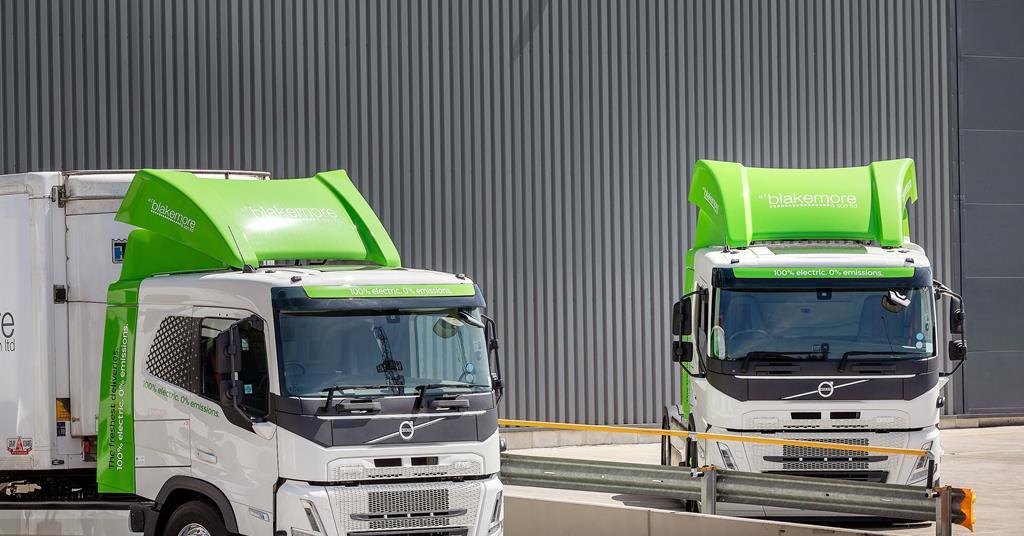

The programme to introduce electric heavy goods vehicles (HGVs) across the UK is facing notable hurdles.
- A significant barrier is the scarcity of suitable sites for public charging facilities.
- Complex planning processes are delaying the deployment of necessary infrastructure.
- Grid capacity and parking space constraints add to the project’s challenges.
- Discrepancies exist between the perceptions of drivers and managers regarding future vehicle technology.
The UK government’s effort to transition heavy goods vehicles (HGVs) to electric power faces substantial difficulties, primarily due to a lack of readily available sites for installing public charging stations. Without adequate locations, the ability to support a widespread rollout of electric HGVs is compromised.
The planning process for setting up charging infrastructure is proving problematic, resulting in delays. While planning permission was secured for a site at Moto’s MSA in Tamworth, various steps, including long-form agreements and DNO lease agreements, still need to be completed.
Creating a functional layout at potential sites is another concern, especially with the need for bulky power control units that must be situated strategically to connect with the electrical supply while being out of the way of vehicles.
The existing infrastructure poses challenges. The country’s current grid capacity and the limited parking availability for HGVs complicate matters further. These issues underscore the difficulty of electrifying Motorway Service Areas (MSAs) without disrupting existing parking facilities.
The adoption of electric HGVs is ongoing among some haulage companies, which have started to integrate these vehicles into their fleets. However, they are still in an experimental phase, with issues related to maintenance and part availability due to the low number of electric lorries currently in service.
Hauliers and OEMs are observing a stark difference in operational range between electric and diesel vehicles, a primary concern for many stakeholders. Electric Freightway research indicates this is a significant point of consideration in the transition to electric transport.
Driver feedback highlights a preference for lower noise levels and better environmental performance. Despite this, charging facilities and vehicle range remain their primary concerns, whereas senior managers hold a more optimistic view of electric technology compared to alternatives like hydrogen.
Sam Clarke of Gridserve emphasises that the development of eHGV infrastructure is a work in progress, with an aim to establish a competitive network swiftly and cost-effectively. He notes the accomplishments to date in terms of planning and preparation for deploying eHGVs and their charging stations.
The rollout of electric HGVs is fraught with challenges, yet remains a crucial step towards sustainable transport.

