
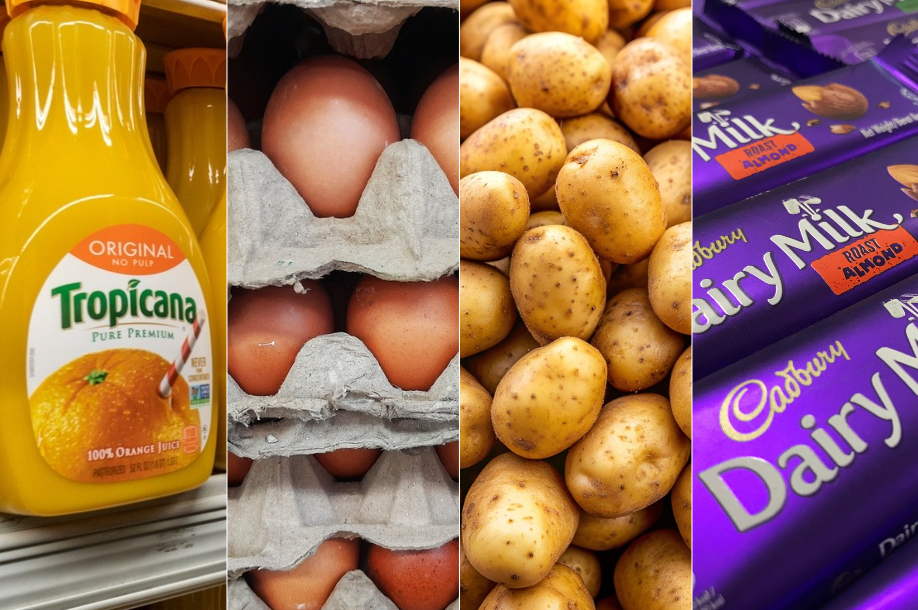

The grocery supply chain is encountering unprecedented challenges impacting production and prices.
- Citrus greening disease devastates major orange producers, causing significant price hikes.
- Global avian flu outbreaks are straining the egg sector and leading to increased prices.
- Adverse weather conditions threaten grain harvests, potentially driving up food costs.
- Rising sugar prices due to climate issues are expected to affect confectionery costs.
The grocery supply chain is grappling with several significant hurdles this year, posing substantial risks to both producers and consumers. Among these challenges is the aggressive spread of citrus greening disease, which has ravaged orange crops in Florida and Brazil. These regions, being primary orange producers, are experiencing drastic impacts on both production and profits. As a result, consumers are witnessing a stark increase in orange prices, driven up to £4,800 per tonne. The chief executive of Innocent highlighted that these conditions have created a global ‘crisis’ in orange juice production, inevitably translating into higher costs for millions of consumers in the UK.
The persistent outbreaks of avian flu have severely hit the global egg market. With a notable 16% rise in egg prices since 2019, the flu’s spread across Europe and North America has resulted in substantial culling of laying hens, especially in the US where approximately 33 million have been culled. The British egg sector is under considerable pressure, as demonstrated by the cessation of operations by 165 farmers due to this crisis, which has forced some farmers to downsize or exit the industry entirely.
Adverse weather conditions have also presented a formidable challenge, with the Energy & Climate Intelligence Unit (ECIU) warning that wet weather could slash grain harvests by up to 20%. This decline in wheat and other staples means potential cost increases for basic goods like bread and biscuits. Consumers may face indirect price hikes, such as reduced potato pack sizes without a corresponding price reduction, equating to a 25% price increase per kilogram.
Finally, the soaring global cost of sugar is poised to affect the confectionery market. Poor weather patterns, including droughts in major sugar-producing regions like India and Thailand, have exacerbated the issue. According to industry experts, ongoing climate change could further threaten sugar crops and sustain high prices. Confectionery producers, already facing increased costs for ingredients such as cocoa and sugar, warn of impending price hikes for their products.
In summary, the grocery supply chain in 2024 faces multifaceted challenges, with significant repercussions for producers and consumers alike.

