
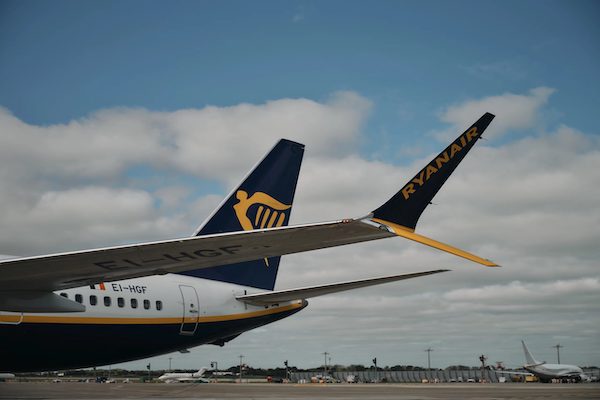

Recent agreements between Ryanair and major OTAs signify a challenging landscape in flight sourcing, with discussions around market dominance taking centre stage.
These collaborations reveal the intricacies of the airline industry, offering both opportunities and contentious points of negotiation.
The recent partnerships between Ryanair and online travel agencies (OTAs) loveholidays and Kiwi.com highlight the complexities in sourcing flights within a market largely dominated by a select few airlines. Such agreements are seen as pivotal, given the competitive and at times contentious nature of the airline industry.
On January 23rd, Ryanair and loveholidays announced that they had reached an agreement allowing the OTA to sell Ryanair flights. This partnership involves sharing passenger information, marking loveholidays as the ‘world’s first Ryanair-approved package holiday provider’.
Similarly, Kiwi.com entered into an agreement with Ryanair, which brings an end to a previous period of strain between the two entities.
Industry experts are divided on the implications of these agreements. Some see it as a positive step for consumers, offering more options and potential savings.
However, some critics argue that these agreements might heavily favour Ryanair, given its position as Europe’s largest airline. This dominance presents issues when accessing flight content, especially when such content is not fully available through Global Distribution Systems (GDS).
The dominance of no-frills carriers like Ryanair creates significant hurdles for OTAs attempting to package flights. The competitive prices required by these airlines often test the feasibility of offering comprehensive package deals.
According to Alan Bowen of the Association of Atol Companies, major players must often rely on Ryanair, creating a situation where deals are predominantly structured to benefit the airline.
Some agencies, such as Hays Travel, have adopted alternative strategies by accessing Ryanair flights through their in-house tour operator, albeit these are achieved via the GDS, which is not without its limitations.
Operational adaptations include some agents directly interacting with the Ryanair website to book flights, reflecting broader market strategies to navigate restrictive airline terms.
Leading figures such as Alistair Rowland of Blue Bay Travel commend OTAs like loveholidays for securing these agreements, suggesting possible consumer benefits.
In contrast, figures like Steve Endacott call for regulatory scrutiny over such dominant market practices, citing potential competitive disadvantages and calling for intervention by the Competition and Markets Authority.
Despite mixed opinions, the reality remains that Ryanair’s agreements with OTAs signal a potential shift in how flights are packaged and sold.
The agreements between Ryanair and key OTAs underline significant challenges faced in the sourcing of flights. While they provide certain consumer advantages, they also highlight ongoing market tensions and the need for balanced regulatory practices.
Ryanair’s partnerships shed light on the persistent challenges within the airline sector, emphasizing the need for strategic adaptations and potential regulatory considerations.
As these deals unfold, industry participants continue to navigate a complex environment where consumer interests and corporate strategies must be balanced.

