
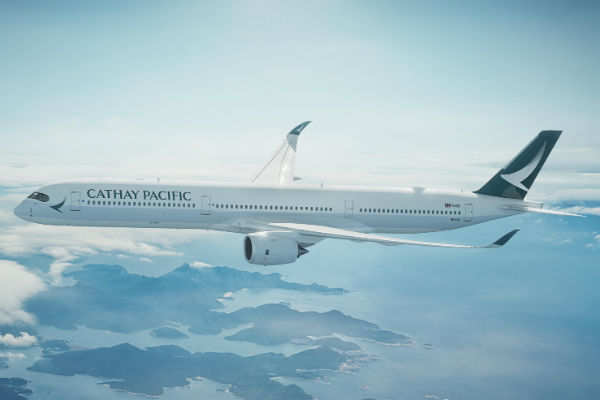

Cathay Pacific is on the verge of fully reinstating its A350 fleet by Saturday. The Hong Kong-based airline has faced significant operational challenges due to engine repairs.
The carrier has been dealing with disruptions after an engine component failure led to extensive inspections across its fleet, affecting numerous flights across Asia.
Cathay Pacific’s operational turmoil began when an engine component failure occurred on an A350-1000 aircraft, prompting immediate inspections. Almost 70 flights across Asia were cancelled as a result. The incident not only highlighted the vulnerability of modern fleets but also the efficiency of maintenance protocols. In managing this situation, Cathay Pacific had to juggle customer satisfaction and operational integrity.
As of the latest updates, six out of fifteen identified A350 aircraft have completed repairs successfully. These aircraft are now back in operation. Meanwhile, the remaining nine are undergoing intensive maintenance procedures, with an expected return by Saturday. The airline’s commitment to safety and reliability is evident in the swift response time and detailed inspections conducted.
Cathay Pacific demonstrated effective crisis management by collaborating with other airlines to accommodate displaced passengers. This strategy not only alleviated passenger concerns but also underscored the importance of industry partnerships during operational crises. The coordination and clear communication were crucial in maintaining customer trust.
McGowan’s statement reflects the organisation’s transparency and accountability during challenging times. By publicly addressing the issue and providing updates, Cathay Pacific reinforced its position as a reliable carrier committed to passenger safety. Such openness is pivotal in the aviation industry where trust is paramount.
The situation has prompted a broader dialogue about the reliability of aircraft components and the industry’s preparedness for unexpected failures. As aircraft technology advances, so does the complexity of its maintenance. These discussions are crucial for preventing future disruptions and ensuring passenger safety across airlines.
Despite the setback, Cathay Pacific’s future plans include enhancing its service delivery and ensuring robust maintenance protocols. The airline’s collaboration with engine manufacturers and regulatory authorities is pivotal in achieving these goals.
This incident further reinforces the role of strong leadership and cohesive teamwork in navigating operational hurdles. It is a testament to the resilience and adaptability of the aviation sector, even when faced with unprecedented technical challenges.
Cathay Pacific is poised to overcome the recent disruptions and return to stability. The experiences and lessons learned will likely enhance the carrier’s operational resilience and customer relations moving forward.
With the A350 fleet’s anticipated full return, Cathay Pacific aims for seamless operations. Lessons from recent challenges will strengthen future crisis responses.
The airline’s commitment to safety and service excellence remains central to its strategy, ensuring passengers can continue to trust in its operations.

