

Consumer advocacy group Which? has uncovered significant price hikes in branded food products, with some items doubling in cost over the past year.
This discovery was based on an analysis of nearly 26,000 grocery items across major UK supermarkets, revealing trends that reflect broader economic pressures.
Significant Price Surges
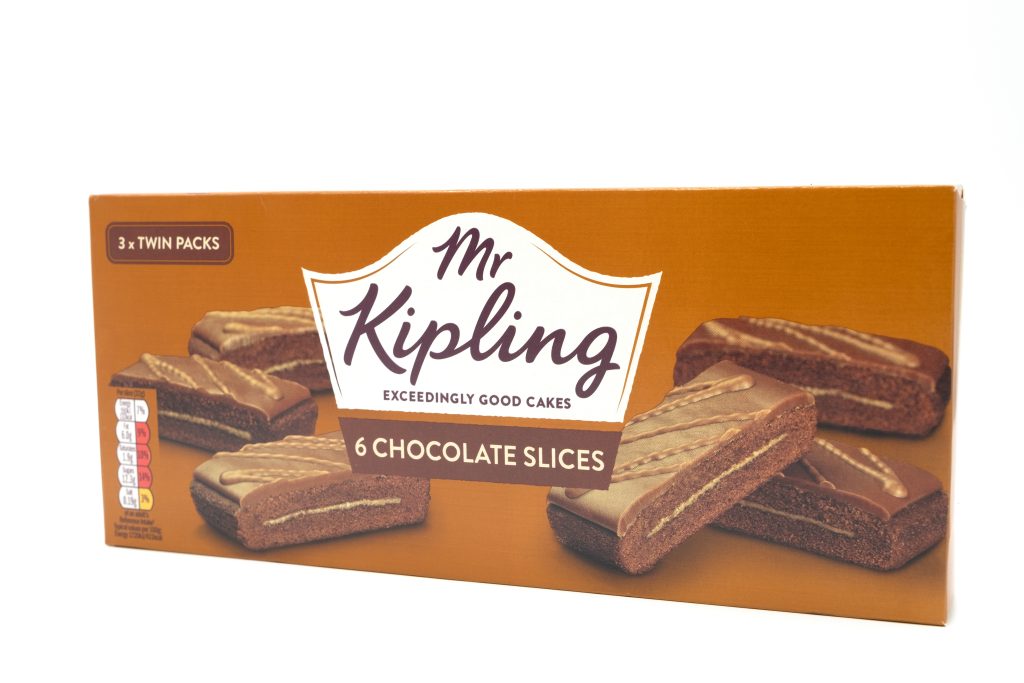
A recent study by consumer rights firm Which? has revealed a dramatic increase in prices for certain branded food products across UK supermarkets. This investigation covered approximately 26,000 items in major retailers, such as Asda, Aldi, Morrisons, Lidl, Ocado, Sainsbury’s, Waitrose, and Tesco. The most substantial increase was observed with Tesco’s Mr Kipling Chocolate Slices, where the price surged from £1.16 to £2.66, marking an increase of over 100%.
Comparative Increases in Branded Goods
Other notable increases were seen at Sainsbury’s, where Mr Kipling Bakewell Cake Slices rose from £1.38 to £2.75. This nearly 100% increase aligns with the trend of rising prices across branded goods.
At Asda, significant inflation was noted in the yogurt category, with products such as Lancashire Farm Natural Yogurt escalating from £1 to £1.80, marking an 80% price hike.
Cheese Prices: A Case Study
Price increases are not limited to sweet treats or dairy products. Morrisons experienced substantial price hikes in their cheese selection, with Pilgrims Choice Extra Mature Grated Cheddar increasing from £1.20 to £2.11.
Similarly, Pilgrims Choice Sliced Extra Mature Cheddar saw a rise in pricing, indicating a broader pattern in the cost of cheese products. Such increases indicate broader inflationary pressures within the dairy sector.
This trend is indicative of the challenges faced by consumers trying to manage budgets in the face of rising costs for staple items like cheese.
Insights from the Consumer Rights Firm
According to Sue Davies, head of food policy at Which?, branded grocery inflation is slightly lower compared to own-brand and budget ranges. However, the expectation is set for food prices to remain elevated throughout the year.
Davies suggests that supermarkets should stock affordable options in convenience stores to ensure consumers have access to budget-friendly, healthy foods. This recommendation comes as part of Which?’s broader campaign to support consumers in navigating these financial challenges.
Context of Overall Food Inflation
The report from Which? arrives amidst a backdrop of falling overall food inflation. In recent months, inflation has decreased to 14.9%.
Despite this decline, fundamental food costs for items like cheese, butter, and bread have escalated by over 30% within two years. This paradox highlights the ongoing economic challenge faced by consumers.
Thus, while overall inflation may have dropped, the pressures of basic food costs remain a critical issue for households across the UK.
Calls for Supermarket Accountability
Given the persistent high costs, organisations like Which? are urging supermarkets to take responsibility in offering more affordable options. This includes ensuring that convenience stores, often the only choice for some consumers, are stocked with budget-friendly items.
This is particularly pressing as consumers continue to experience squeeze on their disposable incomes, making it imperative for supermarkets to contribute positively by providing economical food options.
Conclusion of Key Findings
In conclusion, the price hikes identified by Which? highlight the pressing challenges faced by UK consumers.
As prices continue to rise, consumers may need to adjust their shopping habits to cope with these financial changes.
The ongoing situation calls for increased advocacy and action to ensure budget-friendly options are available.

