
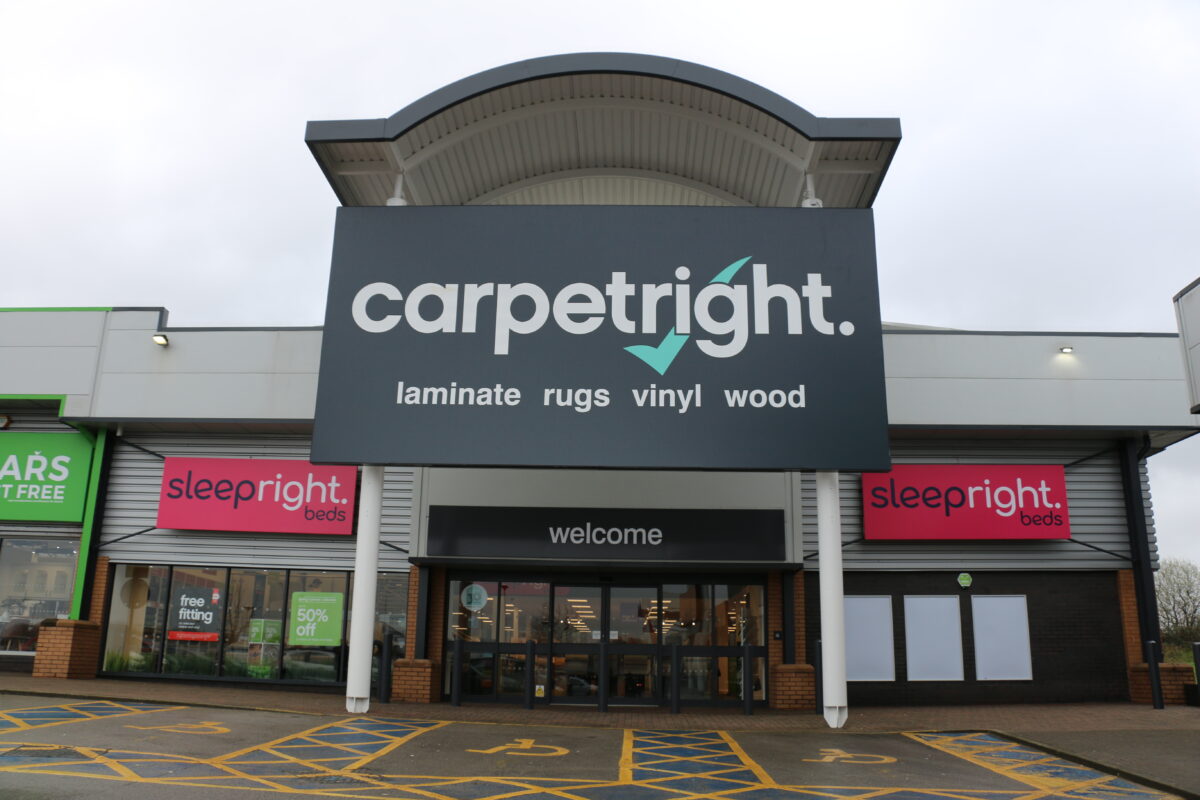

Carpetright is embroiled in serious financial difficulties, owing a significant amount in rental debts. The company has listed numerous creditors following its collapse.
This article delves into the repercussions of these debts, exploring how they affect retailers, customers, and the broader market. The situation underscores critical lessons for the retail sector.
Carpetright’s Financial Woes
Carpetright is facing substantial financial challenges, with a reported debt of nearly £3.5 million owed to at least 11 retail businesses. This debt follows the company’s collapse. The company’s statement of affairs lists several creditors, underscoring the severe fiscal crisis. DFS for Newcraighall, Lothian tops the list by being owed over £1m, marking a significant financial strain on the flooring specialist. This financial turbulence highlights the broader implications for retail partners reliant on payments for sustainability.
Impact on Retail Partners
The ripple effect of Carpetright’s debt is already being felt across various retail partners. Notably, B&M is owed approximately £385k, compelling them to reassess their financial strategy. Furniture Village faces a debt of £324k, while Bensons for Beds is grappling with nearly £168k in unpaid dues. The strain is not limited to large retailers; smaller businesses such as Lidl (£102k), Asda (£24k), B&Q (£15k), and Marks and Spencer (£12k) also face financial setbacks due to these debts.
Broader Financial Obligations
Beyond the core debts to retailers, Carpetright’s total financial obligations include £148k owed to pension funds, property companies, charitable foundations, local authorities, and individuals. These debts exacerbate the complexity of the situation, indicating a web of financial commitments that the company failed to honour. This situation reveals the widespread impact of a company’s downfall, affecting diverse stakeholders. Financial analysts suggest this is just the surface of Carpetright’s liabilities, predicting further revelations as investigations proceed.
Effects on Carpetright Customers
Beyond the impact on retailers and stakeholders, Carpetright’s collapse has significantly impacted its customer base. An estimated £8m is owed to shoppers in outstanding orders, leaving many consumers without products they have paid for. Sources indicate that a majority of the 21,000 affected customers might never receive refunds. This development casts a shadow over consumer trust and raises questions about the company’s operational practices prior to its collapse. The potential for further financial fallout remains a concern.
Future Implications for the Industry
Carpetright’s situation raises critical questions about risk management and financial stability within the retail sector. The considerable debt highlights a need for stricter financial oversight and more robust contingency planning among retailers. Industry experts warn that companies with similar business models might face analogous challenges if preventative measures aren’t implemented. This scenario prompts calls for an industry-wide review to prevent similar situations in the future, stressing the importance of financial resilience amid changing market dynamics.
Legal and Financial Proceedings
Legal proceedings are anticipated as creditors seek to reclaim owed amounts. The intricacies of these legal battles could set precedents for future cases involving corporate financial distress. Analysts predict a complex legal landscape, with multiple parties vying for restitution. The outcome will likely influence corporate governance standards within the retail sector. Meanwhile, stakeholders await clarity on Carpetright’s final financial standing and the potential recovery of their investments.
Conclusion and Reflection
Carpetright’s financial collapse underscores the vulnerabilities within the retail sector, highlighting the critical importance of financial stewardship. As the company navigates its fiscal challenges, industry observers are prompted to reflect on lessons learned. The situation serves as a stark reminder of the broader economic implications when large companies fail, affecting not just the immediate stakeholders but the entire market ecosystem.
Carpetright’s financial crisis highlights vulnerabilities and the economic impact of such collapses within the retail industry. Lessons in fiscal management must be drawn.
Industry stakeholders must heed these lessons to strengthen financial resilience, ensuring sustainable operational practices for the future.

