
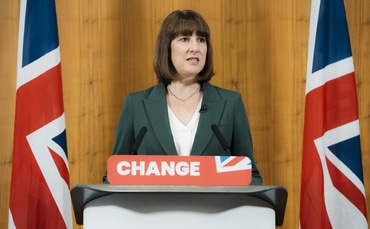

An increase in capital gains tax (CGT) is expected in the upcoming Autumn Budget, shifting the focus from ‘if’ to ‘when’ and ‘how much’.
- Speculation grows as Labour, under Rachel Reeves, readies its budget unveiling.
- Reports suggest CGT rates might rise significantly, up to 39%.
- Reeves considers raising rates as a temporary measure to increase revenue.
- The approach aims to enhance fiscal receipts in the near term.
An increase in capital gains tax (CGT) is becoming more certain as anticipation builds towards the Autumn Budget. With Labour poised to present its inaugural budget, the query has transitioned from the possibility of a hike to its timing and scale.
Reports, particularly from The Guardian, indicate that Chancellor Rachel Reeves is contemplating a substantial increase in CGT rates, potentially escalating them to between 33% and 39%. Such a move is perceived as a means to immediately bolster financial reserves.
Rachael Griffin, a tax and financial planning expert, noted the possibility of a comprehensive CGT overhaul being deemed excessively complex for current implementation. Instead, she suggests that rate hikes might be a provisional solution to enhance the Treasury’s funds swiftly.
The strategic focus appears to be on accelerating revenue collection, albeit temporarily, to address immediate fiscal demands. This approach might circumvent the lengthy process associated with full-scale CGT reforms.
The impending rise in capital gains tax rates signals a strategic shift towards immediate fiscal recovery measures.

