

The call for extending financial protection to airlines has gained momentum, highlighting disparities in consumer safeguards within the travel industry.
- Mark De Vriendt, from EGFATT, stresses the need for airlines to adopt the same financial protections as tour operators to prevent traveller disruption.
- At a recent summit in Brussels, key figures urged the European Commission to shift focus towards protecting airline customers from financial instability.
- Legal experts underline the financial burdens placed disproportionately on tour operators and travel agents compared to larger airline players.
- The current system is critiqued for its imbalance, potentially leaving consumers at risk and smaller travel entities bearing larger financial responsibilities.
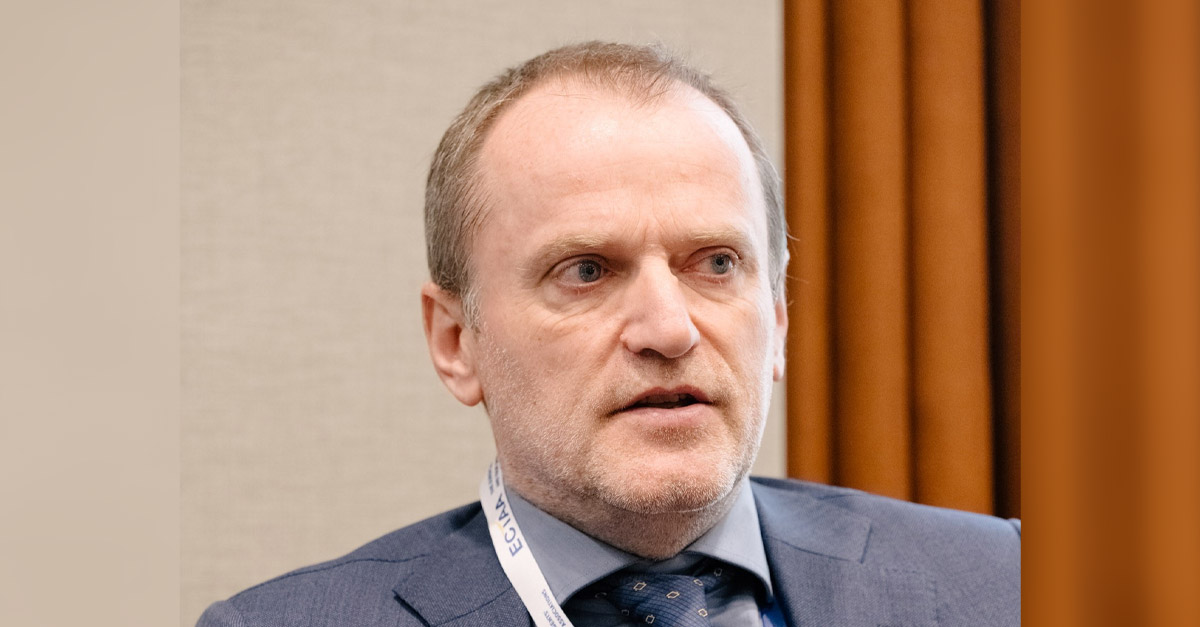
The European association of travel guarantee funds (EGFATT), led by Mark De Vriendt, is advocating for airlines to adhere to the same financial protection standards as tour operators. De Vriendt highlights that airline failures impact more travellers than those in the travel business sector, yet airlines often lack comprehensive traveller protection mechanisms against financial failure.
During the inaugural Travel Payment Summit held in Brussels, De Vriendt delivered a poignant message to the European Commission, urging them to prioritise airline consumer protection. He underscores the success of stringent financial controls in reducing bankruptcy rates across travel businesses to levels comparable to banks and insurance entities, and argues for similar measures in the airline industry.
The role of tour operators is disproportionately challenging as they shoulder the responsibility for failures extending beyond airlines, including hotels and tours, yet they are bound to refund consumers within strict timelines as dictated by the Package Travel Directive. This regulation does not equally apply to agreements with their suppliers, which are more flexible and typically favour larger entities.
Heleen Mulkers, a partner at the law firm Dugardyn & Partners, further elaborates on the imbalance between large airlines and smaller tour operators, criticising entities like the International Air Transport Association (IATA) for shifting financial burdens unfairly onto tour operators. This results in a competitive disadvantage, where tour operators remain vulnerable under commercial contracts that lack the stringent consumer refund timetables imposed on them by EU directives.
The juxtaposition of roles within the industry presents a skewed landscape where, as De Vriendt observes, some travellers inevitably experience greater protection than others. He calls for harmonised regulations to ensure equal consumer protection measures across airlines and tour operators, a move that could potentially safeguard all parties involved in the travel transaction chain.
These discussions emphasise the urgent need for revising current regulations to foster equitable consumer protection across all travel sectors.

