

Severe flooding in California has triggered an urgent travel warning. The Foreign Office emphasizes caution to ensure public safety.
The natural disaster has prompted evacuations and power outages, affecting thousands. With several counties in a state of emergency, residents face a prolonged battle against the elements.
Impact of Record Floods on California
The intense flooding across California has cascaded into a crisis with far-reaching implications. The natural calamity, due to unprecedented rainfall, has resulted in a tragic loss of life. At least three individuals tragically lost their lives as a consequence of falling trees. The state has responded by declaring a state of emergency across eight counties, underscoring the severity of the crisis.
Emergency Measures and Warnings
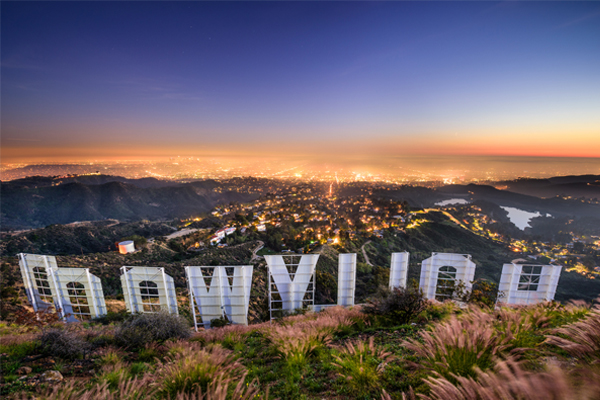
In response, the Foreign Office has issued a stringent travel warning. Residents and visitors in the affected areas—particularly San Bernardino, Ventura, and Los Angeles counties—are urged to remain vigilant. The warning highlights the risk of mudslides and debris flows that have been particularly severe in Los Angeles. The Hollywood Hills, a notable location, faced significant evacuations as mudslides forced residents to flee their homes.
In conjunction with local authorities, the warning also advises close monitoring of weather forecasts. Evacuation orders and road closures are in place, while power outages affect thousands. These directives are essential for ensuring personal safety amidst the unpredictable weather conditions.
Infrastructure and Transport Disruptions
The floods have wrought havoc on essential infrastructure, disrupting day-to-day life. Bel Air and Beverly Hills have reported notable damages, showcasing the flood’s widespread impact. The storm, foreseen to pose hazardous sea and weather conditions, amplifies the challenges faced by local communities.
Los Angeles International Airport (LAX) has not been spared from the turmoil. It has reported delays in both arrivals and departures. An advisory has been placed, urging travellers to check the status of flights before heading to the airport. The disruptions are expected to persist until the weather systems pass entirely.
Authorities’ Response and Public Safety
Mayor Karen Bass of Los Angeles has been at the forefront of the city’s response to this disaster. Her message is clear and urgent: stay off the roads. She emphasises the necessity to adopt a cautious approach during these times. Her administration continually assesses the situation to implement necessary safety measures as the community braces for continued rainfall.
The Los Angeles Fire Department remains on high alert. They are prepared to tackle emergencies arising from flash floods and continued rainfall. Their vigilance in such scenarios is paramount to safeguarding residents and property. The city continues to deploy resources effectively to respond to and mitigate the impact of the flooding.
Environmental and Health Concerns
The potential contamination of drinking water is one of the alarming issues post-floods. The Foreign Office advice outlines precautionary measures that must be observed. Residents are urged to stay informed about boil water notices and follow them rigorously to prevent health hazards.
Environmental concerns extend beyond water safety. The residual effects of mudslides pose long-term ecological challenges. Addressing these will require coordinated efforts from environmental and governmental agencies. Residents should stay updated with any forthcoming guidelines from local environmental bodies.
NASA’s involvement in monitoring weather patterns has proven invaluable. The data collected assists in predicting potential future floods, enabling more robust preparedness plans. Their role in environmental monitoring cannot be overstated, especially in times when natural disasters pose significant threats to populated areas.
Economic Repercussions
The floods are also exerting pressure on California’s economy. The entertainment capital faces potential production delays due to logistical challenges induced by the floods. Damages to personal property and local businesses are likely to accrue into substantial economic losses.
The tourism sector isn’t immune. With main attractions forced to close, this sector is likely to face downturns. Historical sites, often bustling with tourists, now stand deserted. This decline in tourism could further dampen the state’s economic growth, necessitating recovery assistance measures once the waters recede.
Community Resilience and Recovery
In times of adversity, California’s community spirit shines bright. Efforts to assist those displaced by the floods highlight the resilience and strength common in communities across the state. Volunteer groups are pivotal in providing aid and support, a testament to the solidarity and caring nature of locals.
In summary, the catastrophic floods in California have posed significant challenges impacting human life, infrastructure, and the economy. With ongoing efforts to manage the effects and ensure public safety, the resilience of the community remains unwavering.

