
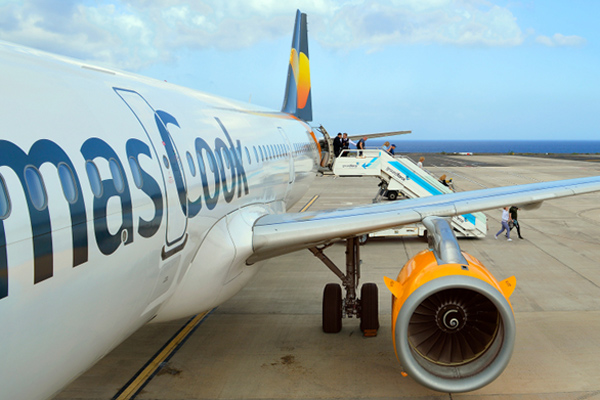

The Civil Aviation Authority (CAA) marks the anniversary of Thomas Cook’s downfall with a decisive message to travellers: prioritise ATOL protection. This precaution remains crucial amidst an uncertain travel landscape.
With the collapse of Thomas Cook five years ago, the importance of booking holidays with proper financial safeguards has never been more apparent. The CAA’s latest guidance highlights consumer protection and vigilance.
On the five-year mark since Thomas Cook’s collapse, the Civil Aviation Authority (CAA) reiterates the vital need for consumers to ensure their holidays are ATOL protected. This safeguard is essential to protect travellers financially, should their travel provider fail. The assurance of ATOL not only secures refunds but also facilitates organised repatriation, underscoring the necessity of choosing reliable holiday operators.
The failure of the Thomas Cook Group in September 2019 led to the largest repatriation effort conducted by the CAA under the ATOL scheme since its inception in 1973. More than 1,000 flights were arranged, returning over 140,000 holidaymakers to the UK. While 94% flew home on their intended departure date, the effort demonstrated the robustness of the ATOL protection system during crises.
In the aftermath of Thomas Cook’s collapse, the CAA processed over 250,000 refunds, amounting to more than £350 million. Creditors are anticipated to receive final payments totalling £280 million, as declared by the Official Receiver. This process of financial restitution highlights the protective measures embedded within the ATOL system, offering consumers a safety net against unexpected travel disruptions.
Michael Budge, head of Atol at the CAA, emphasised the need for thorough research when booking holidays. Prospective travellers are advised to verify ATOL licence status via the ATOL website, ensuring their tour operators are legitimate. The CAA advocates for package holidays over separate bookings of flights and accommodation to maximise consumer protection.
Consumers are urged to exercise caution against holiday scams. The CAA warns against responding to unsolicited contact such as emails, texts, or social media messages offering enticing vacation deals. Such communications may lead to malicious websites or result in fraudulent transactions, posing a direct risk to personal and financial information.
Utilising a credit card for holiday bookings is recommended by the CAA for added financial protection. Under Section 75 of the Consumer Credit Act, these transactions may offer additional security. Consumers are also reminded to be vigilant about hidden charges and to meticulously read through travel insurance details to understand the full extent of coverage provided.
The CAA is currently reviewing ATOL licences, with 60% due for renewal. The landscape remains dynamic, underscored by the acquisition and subsequent relaunch of the Thomas Cook brand by Fosun Group in 2020, and its recent sale to the eSky Group. These developments reflect broader trends in the travel industry post-recession.
The anniversary of Thomas Cook’s liquidation is a stark reminder of the uncertainties in the travel industry. The CAA’s safeguards through ATOL protection continue to be a cornerstone of consumer confidence, ensuring financial security and peace of mind for holidaymakers.

