

The Civil Aviation Authority (CAA) is intensifying its efforts to secure stronger regulatory powers to impose fines on airlines that breach consumer protection laws.
Currently, without fining capabilities, the CAA finds it challenging to enforce compliance swiftly with existing consumer legislation, hindering its ability to protect passengers effectively.
The Call for Enhanced Regulatory Authority
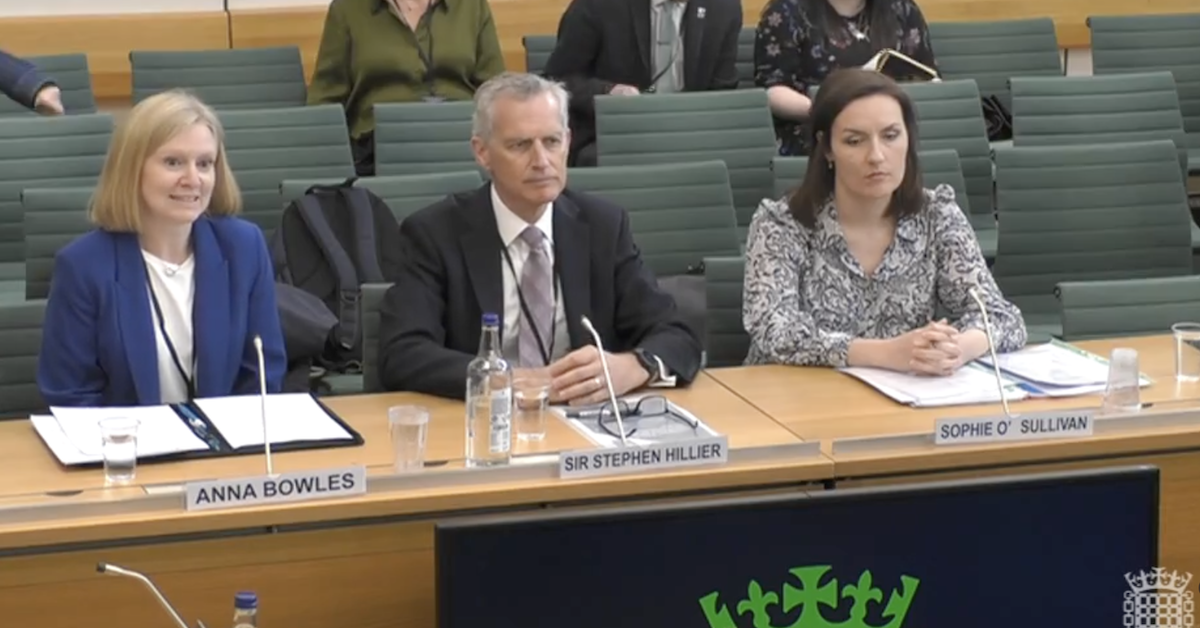
The CAA has reiterated its plea to the government to grant it the authority to fine airlines directly for failing to adhere to consumer laws. The inability to issue fines means lengthy legal battles as opposed to immediate punitive actions, according to Anna Bowles, the CAA’s Head of Consumer Policy and Enforcement.
Bowles highlighted a protracted case against Wizz Air, where the lack of direct fining authority resulted in delayed compensation to passengers facing flight disruptions. Such limitations in current powers necessitate reevaluation, as seen in this case where passengers eventually received an additional £1.2 million.
The regulator argues that granting the CAA fining powers would not only streamline enforcement but also act as a strong deterrent to airlines considering negligent or unlawful practices.
Insufficient Data Sharing from Airlines
Anna Bowles also raised concerns about the lack of access to critical data regarding passenger complaints to airlines. The ability to analyse such data is crucial for the CAA to identify trends and focus its regulatory efforts effectively.
Sir Stephen Hillier, chair of the CAA, reinforced that acquiring this data is imperative. The absence of complaint data makes it difficult to pinpoint systemic issues within airlines. Better access to complaint data is a step towards enhancing consumer rights, he asserted.
Government’s Response and Legislative Delays
The absence of immediate legislative action raises concerns over sustained consumer vulnerability. The government has previously declared its support for the CAA’s enhanced powers, yet the lack of tangible progress continues to undermine passenger rights.
Without these powers, some airlines may continue practices that infringe upon consumer laws with little consequence. The transition from promises to action is critical for accountability in the aviation sector.
The Case for Fining Powers
Empowering the CAA with fining authority is argued to bring UK aviation regulations in line with other leading global regulators.
Such powers would permit the CAA to act more swiftly and decisively, enforcing rules without resorting to the courts, thus expediting consumer redress.
This proposed enhancement to the CAA’s powers would serve as a deterrent and an incentive for airlines to comply with consumer rights, ensuring a fairer and more accountable industry.
Stakeholder Perspectives
Advocates argue that without these powers, the CAA remains a reactive body rather than a proactive regulator capable of preventing consumer law breaches.
There exists a consensus that strengthening the CAA’s capabilities would contribute positively to the running of a more consumer-friendly aviation industry.
The continued push from stakeholders underscores a broader call for efficient and comprehensive consumer protection mechanisms.
Conclusion
In conclusion, the push for legislative changes to empower the CAA reflects a necessary evolution in consumer protection within the aviation sector.
The ability to impose fines would enable a more agile response to infractions, fostering a culture of compliance among airlines and affirming consumers’ rights.
The enactment of stronger regulatory powers for the CAA is crucial to ensuring a balance between airline operations and consumer rights. This shift would not only enhance consumer trust but also drive the aviation industry towards greater accountability.

