
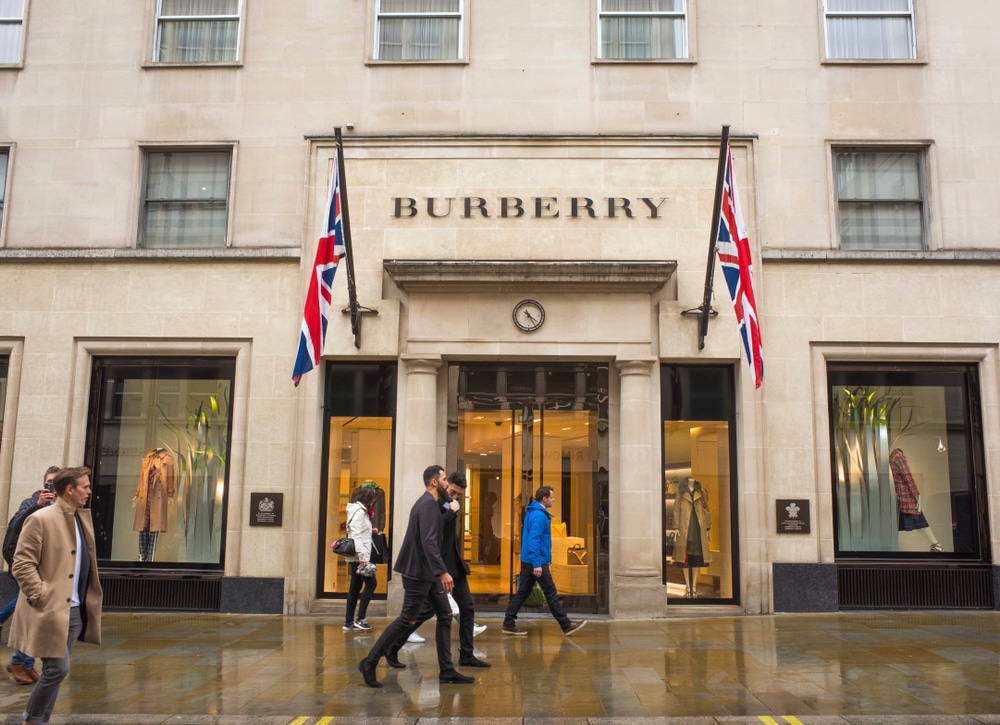

Burberry’s shares experienced a significant increase of over 7% attributed to speculation surrounding a potential Moncler takeover. These reports have captivated market attention, marking a notable moment for stakeholders in the luxury sector.
The potential acquisition by Moncler has sparked varied reactions, encouraging discussions on strategic alignments. While no official statement confirms Moncler’s ambitions, the implications for Burberry are substantial. Industry analysts are keenly observing these developments, assessing the broader impacts on the luxury market landscape.
Market Reaction to Takeover Speculation
Shares in Burberry surged by over 7% after speculation of a possible takeover by Moncler emerged. This potential acquisition has sent ripples through the luxury retail market. Investors showed renewed interest in Burberry, anticipating synergies between the two luxury brands. The news followed a report indicating Moncler’s interest, despite there being no official confirmation from Moncler on the matter.
Burberry, a revered British luxury brand, has experienced significant market shifts this year. The share price fell substantially, dropping by 20% since January. Speculation regarding Moncler’s takeover prompted discussions among analysts, some of whom raise concerns about potential impacts on brand identity. However, many see it as an opportunity to strengthen both companies’ positions in the luxury sector. Financial analysts remain divided on the long-term benefits of such a merger.
Challenges Facing Burberry
Burberry’s market challenges became evident earlier this year. After its share price tumbled, the brand faced scrutiny over its strategic direction. Analysts noted a decline in Burberry’s ability to maintain its luxury status. The company was removed from the FTSE 100, marking a significant shift for the brand, reflecting broader industry challenges.
The removal from the FTSE 100 was perceived as a wake-up call. This adjustment highlighted potential vulnerabilities in Burberry’s market strategy. City analysts emphasised the need for Burberry to innovate and reclaim its standing. Increased competition and market dynamics have pressured luxury brands to adapt. Burberry’s leadership is actively reviewing strategies to address these challenges.
Amidst market changes, Burberry has been reassessing its operations. The brand’s market value plummeted to its lowest in 15 years. Analysts suggest that efforts to modernise and diversify offerings could revitalise its appeal. The evolving market landscape demands agility and innovation from luxury retailers, according to industry experts.
Moncler’s Strategic Interests
Moncler has remained silent on recent takeover rumours. However, such strategic moves are not unprecedented in the industry. Italian luxury brands have been exploring expansion opportunities, and Moncler’s interest in Burberry could align with such strategies.
By exploring a potential acquisition of Burberry, Moncler would be positioning itself robustly in the luxury market. Combining resources could create a formidable entity capable of competing on a global scale. Despite the lack of official comments, industry insiders speculate on the strategic benefits Moncler might perceive. Integration opportunities and market expansion are often seen as compelling motivations.
Moncler’s brand identity could complement Burberry’s existing market presence. Both brands share a commitment to luxury and quality. Moncler’s expertise in outdoor apparel could significantly enhance Burberry’s product range. The potential synergies arising from a merger are reportedly compelling for stakeholders focused on growth and market dominance.
Investor Reactions to Market Rumours
The news of potential acquisition has stirred investors. Burberry’s share jump reflects positive investor sentiment, as many anticipate beneficial outcomes from such a merger.
Investors reacted swiftly to the takeover rumours. The stock’s rebound indicates confidence in the strategic possibilities of a merger. Speculative investments have driven movement as shareholders react to industry buzz. This reflects broader market dynamics where luxury brands are under pressure.
The swift response from investors highlights the volatile nature of market speculation. Many investors hedge bets in response to developments, awaiting concrete statements from involved parties. The increased trading activity surrounding Burberry shares signifies market responsiveness to acquisition discussions.
Historical Context of Luxury Mergers
The luxury industry has witnessed significant mergers over recent decades. Such consolidations have often resulted in enhanced brand portfolios. Burberry and Moncler considering such a move follows a historical pattern of market adaptations.
Previous luxury brand mergers provide a framework for understanding potential outcomes. Mergers often lead to expanded market reach and diversified offerings. This strategy can mitigate risks while capitalising on collaborative strengths. History demonstrates that well-executed mergers can create industry powerhouses.
Examining previous market mergers, the outcomes have varied. Successful consolidations rely on strategic alignment and cultural integration. For Burberry and Moncler, leveraging historical insights might inform merger considerations. The potential for innovation and market leadership lies in these well-charted consolidation paths.
Market Analysts’ Perspectives
Analysts have offered varied perspectives on the potential takeover. Some see it as a natural progression in an increasingly competitive market. Others caution against the complexities of merging distinct brand identities.
Expert opinions reflect a spectrum of views on the market impacts of a takeover. Some analysts focus on growth potential, while others highlight integration challenges. The market’s reaction remains mixed as stakeholders weigh the potential risks and rewards.
The analysis reflects broader industry trends where acquisitions trigger strategic realignments. Market watchers continue to assess developments, considering how such moves might reshape competitive dynamics. The diverse analyst perspectives demonstrate differing industry interpretations of such high-profile takeovers.
The potential merger between Burberry and Moncler underscores significant shifts within the luxury sector. The industry awaits official confirmation amidst ongoing speculation. Such a move could redefine market dynamics, positioning both brands strategically for future challenges.

