
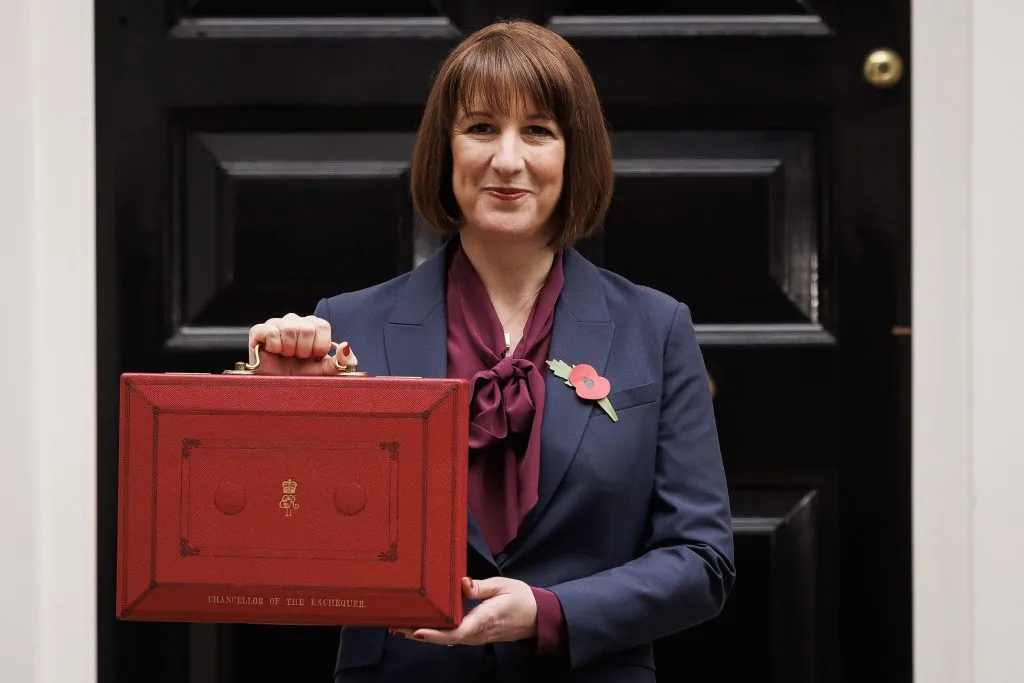

The UK government has released its 2024 budget, outlining significant financial changes.
- Businesses face a rise in National Insurance contributions from 13.8% to 15% starting April 2025.
- The budget confirms a freeze on fuel duty and maintains current VAT and income tax rates.
- A notable increase in the National Living Wage to £12.21 for over-21s will take effect in April.
- Retail and hospitality sectors to receive a 40% relief on business rates, capped at £110,000 per business.
Chancellor Rachel Reeves, in her first budget announcement, has made significant shifts in the UK’s financial policy landscape. The government’s decision to increase National Insurance contributions for businesses from 13.8% to 15% starting April 2025 marks a notable change, particularly as the threshold for National Insurance on workers’ earnings will decrease from £9,100 to £5,000. Reeves acknowledged the challenges this posed, emphasising the difficulty and necessity of these decisions amidst the UK’s economic state.
Retail and hospitality businesses are set to benefit from a 40% relief on business rates, although this is capped at £110,000 per business. This adjustment comes as the existing 75% discount is set to expire in April 2025. The multiplier for small businesses will remain frozen at 49.9p, with a higher multiplier introduced for the most valuable properties slated for 2026-27. These changes reflect the ongoing efforts to balance business support with fiscal responsibility.
In response to rising consumer concerns, the government will not increase the VAT or income tax and will also freeze fuel duty for 2025. This decision is framed within the broader context of addressing a £22bn deficit left by previous administrations. The budget underscores a commitment to economic stability while attempting to protect the financial interests of individuals amidst inflation predictions averaging 2.5% for the year, according to the Office for Budget Responsibility.
Further highlighting her priorities, Reeves stated that over-21s will see the National Living Wage rise to £12.21 come April. Additionally, the capital gains tax (CGT) rate will rise from 10% to 18%, and the higher rate from 20% to 24%. These tax adjustments are a part of broader fiscal strategy aiming to bridge economic gaps while addressing financial equity and sustainability.
In a move to curb retail crime, Reeves has announced initiatives targeting shoplifting and organised retail crime, responding to concerns from entities like the British Retail Consortium and trade union Usdaw. These measures demonstrate a commitment to ensuring security in retail sectors, reinforcing the government’s stance on maintaining public order and support for businesses.
The 2024 budget presents a complex landscape of financial changes aimed at stabilising the economy while addressing crucial sectors.

