
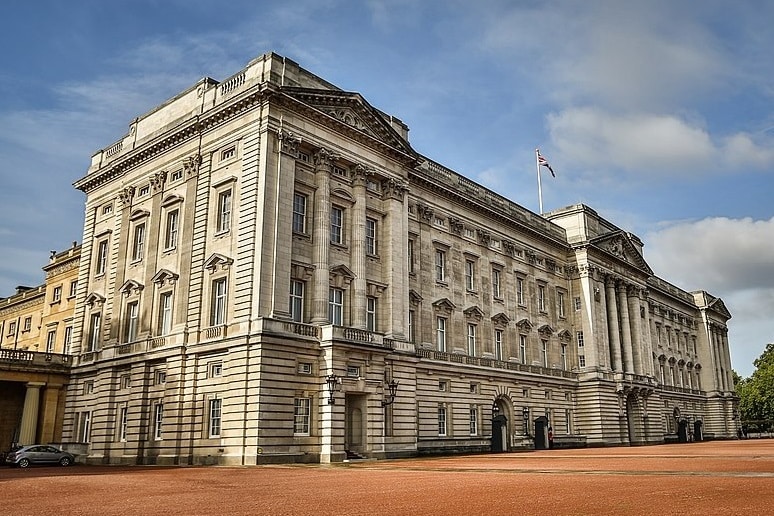

The National Audit Office commends the 10-year refurbishment of Buckingham Palace, which remains within its £369m budget despite challenges.
- Initiated in 2017, the project aims to update electrical systems, improve sustainability, and enhance public access while maintaining operational functionality.
- Challenges such as COVID-19 and unexpected structural issues led to some cost and timeline adjustments, yet proactive management has allowed for strategic adaptations.
- The programme’s success is attributed to thorough planning, phased implementation, and stakeholder engagement, ensuring ongoing project alignment and risk mitigation.
- Attention is now focused on managing final risks and ensuring continued operational success with much of the budget to be utilised in the programme’s concluding years.
The National Audit Office (NAO) has endorsed the management of the Buckingham Palace refurbishment project, recognising its ability to remain within the £369 million budget despite unforeseen challenges. The project, which extends over a decade from 2017 to 2027, focuses on crucial upgrades such as replacing outdated plumbing and wiring, thus mitigating risks of fire and flood, alongside enhancing the Palace’s environmental credentials and public access.
This extensive work includes the replacement of 3.5 kilometres of electrical cabling and the modernisation of heating systems, lifts, and lavatories. As of the most recent updates, the Royal Household has reported that 82% of these operational improvements are complete. However, some individual components, such as the East Wing renovations, have exceeded initial budget estimates by 78% and faced delays of more than two years. Such issues have been counterbalanced by cost savings in other areas, such as the Picture Gallery project, which came in at 25% below budget.
Project execution has been challenged by several factors, notably COVID-19 implications, inflation, and supply chain disruptions, along with predictable issues related to heritage constructions, like unexpected asbestos and structural damages. Nevertheless, the in-house programme management team, led by Vice Admiral Sir Tony Johnstone-Burt, has adeptly navigated these challenges by revising strategies and advancing work schedules where feasible, notably during the pandemic.
Another strategic decision in response to rising costs and project complexity was to forego a new visitor centre, opting instead to leverage existing facilities for public engagement, including educational visits to the State Rooms. This agile approach highlights a pragmatic understanding of cost-benefit dynamics and project priorities.
Continuous improvement and collaboration have been central to this programme, with external scrutiny providing beneficial recommendations. As the refurbishment nears completion, managing the final phases remains critical, particularly as over a quarter of the budget is allocated to upcoming works on the Palace’s North, South, and West Wings. The NAO emphasises the importance of retaining qualified personnel and effectively managing concurrent supply chain demands as key determinants for the successful culmination of this ambitious project.
The refurbishment of Buckingham Palace stands as an exemplary model of strategic management and adaptation in heritage conservation, despite inherent complexities.

