
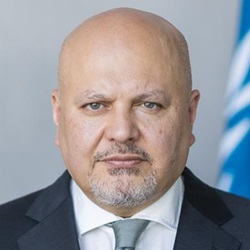

Tensions rise as UK Lawyers for Israel (UKLFI) plans to file complaints about the ICC prosecutor’s conduct.
- ICC prosecutor Karim Khan KC’s application for arrest warrants for Israeli leaders triggers allegations of misinformation.
- UKLFI accuses the ICC prosecutor of breaching Bar Standards Board (BSB) core duties.
- The ICC warns UKLFI to stay mindful of ethical responsibilities amid the dispute.
- The case has reached the Pre-Trial Chamber, with ongoing debates over legal ethics and integrity.
The debate centres on allegations by UK Lawyers for Israel (UKLFI) against the International Criminal Court (ICC) prosecutor, Karim Khan KC. UKLFI plans to raise complaints with the Bar Standards Board (BSB) and the ICC, challenging Khan’s application for arrest warrants for Israeli Prime Minister Benjamin Netanyahu and Defence Minister Yoav Gallant. According to UKLFI, the prosecutor’s statements supposedly contained false information, with significant omissions of material evidence which could potentially exonerate the accused individuals.
UKLFI asserts that every phrase of the charge summary was contradicted by publicly available information, implying a breach of BSB core duties surrounding honesty and integrity. The advocacy group argues that ongoing publication of these statements hinders public trust, suspecting a deliberate misrepresentation of the charges against the Israeli officials, thus breaching core duties 3 and 5.
Further complicating matters, UKLFI points out that Mr Khan, in pursuing the applications, may not have acted with the candour required by the BSB Handbook, particularly if these statements fail to accurately encapsulate the charges. This allegation extends to potential violations of ICC obligations which require impartiality and fairness, as outlined under Article 54(1)(a) of the Rome Statute.
The Office of the Prosecutor responded by stressing that their decisions remain impartial and are guided solely by the Rome Statute. They have asserted that threats or attempts to sway their independent responsibilities will not be entertained, reaffirming their commitment to impartiality in their legal proceedings.
Jonathan Turner, UKLFI’s chief executive, disputes any allegations against their organisation, emphasising that their communications with the prosecutor were well-substantiated and based on factual content. Turner rebuts the narrative that the merits of the case are ‘sub judice’, asserting that pertinent materials essential for an informed decision by the court are absent from submissions made by the ICC Prosecutor.
As the matter awaits a decision from the Pre-Trial Chamber, the dialogue between UKLFI and the ICC underscores significant tensions over adherence to legal ethics and the transparency of prosecutorial actions. The ramifications of such legal engagements reflect broader questions surrounding international judicial conduct and accountability.
The controversy highlights ongoing challenges in maintaining ethical integrity and transparency within international legal frameworks.

