
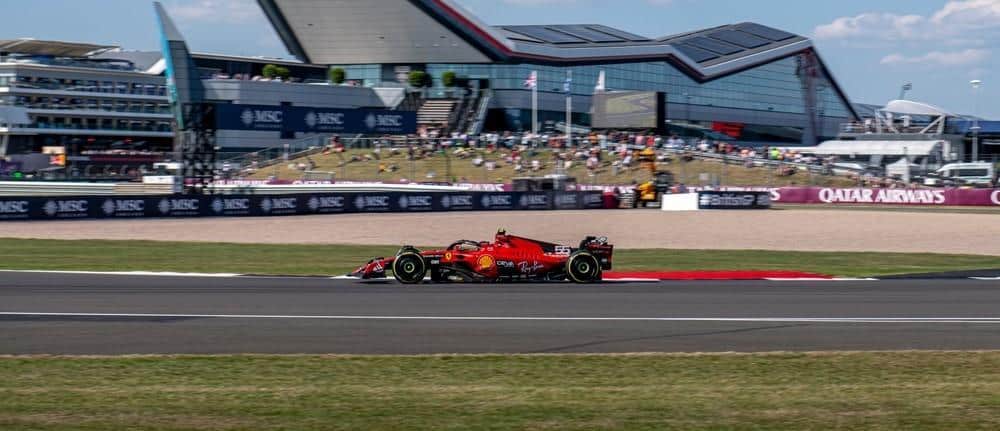

The British Grand Prix is embracing sustainability with a landmark shift in energy sources.
- Certas Energy is supplying over 250,000 litres of HVO fuel to the event.
- This initiative is part of Silverstone’s ‘Shift to Zero’ strategy.
- HVO fuel will power generators across various critical functions at the Grand Prix.
- The move highlights a significant reduction in carbon footprint for the Formula 1 event.
The British Grand Prix, a highlight of the racing calendar, is making significant strides towards sustainability. This year, the event is set to embrace lower carbon emissions by integrating hydrotreated vegetable oil (HVO) fuel into its operations. Certas Energy has taken up the mantle to power the Grand Prix, delivering over 250,000 litres of HVO fuel as part of an ambitious shift to reduce the event’s carbon footprint. The deployment of this renewable diesel marks a pivotal step in Silverstone’s ‘Shift to Zero’ strategy, aiming to achieve net zero emissions.
The deployment of HVO fuel at the British Grand Prix is not a small feat. Certas Energy’s involvement signals a commitment to environmental responsibility and innovation. By introducing a more sustainable fuel, the event seeks to significantly diminish its carbon emissions. The fuel will be utilised to operate hundreds of generators essential for a plethora of functions, from powering hospitality tents for renowned teams such as McLaren and Mercedes to facilitating the media’s extensive coverage of the race.
Sam Edwards, regional manager at Certas Energy, expressed the company’s enthusiasm and readiness to tackle this challenge. He stated, “The British Grand Prix is the biggest event on the racing calendar and supplying such a huge event is no mean feat, but we are thrilled to be a part of it and take on the challenge. Silverstone is leading the way when it comes to sustainability and our HVO will be essential in supporting its ongoing commitment to the environment.”
Hydrotreated vegetable oil is a vital alternative in the quest for reduced greenhouse gas emissions. Its usage promises immediate savings in emissions, potentially up to 90% compared to traditional diesel throughout its life cycle. This fuel is pivotal in transforming energy consumption within the motorsport industry, as seen in the move by Silverstone to integrate it into one of the world’s most watched sporting events.
The British Grand Prix’s integration of HVO fuel underscores a transformative step towards achieving net zero emissions in motorsport.

