
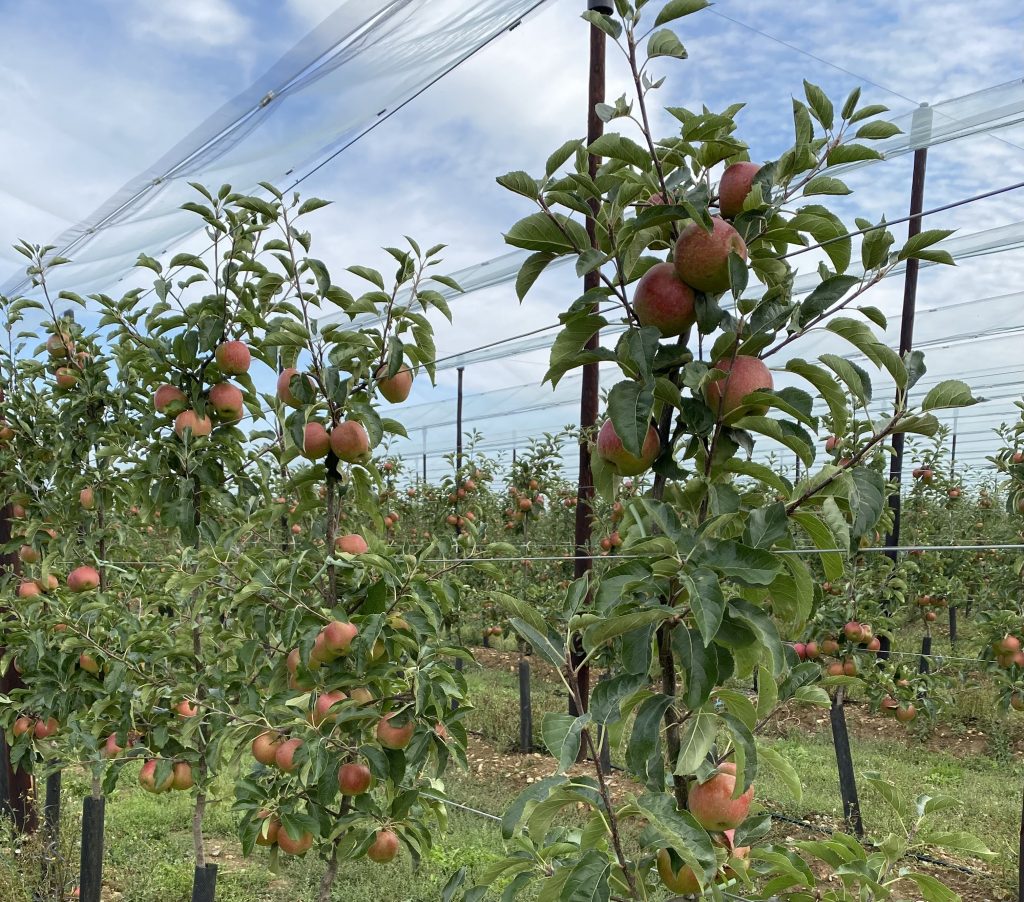

British apple growers are facing an unprecedented season with smaller, sweeter produce. Last summer’s heatwaves led to this change, impacting yields.
The cooler climate this year has enhanced sugar levels in apples, offering a unique taste experience despite smaller harvests.
Impact of Weather on Apple Production
The summer of 2022 saw extreme heatwaves across the UK, significantly affecting apple production. Farmers experienced mixed results in their orchards, with some trees yielding a plentiful harvest while others produced notably less fruit. This inconsistency was attributed to varying microclimatic conditions within the same area.
British apple growers face another challenging season as this year’s cooler summer has resulted in higher sugar levels in the fruit, promising smaller but sweeter yields. The flavour profile of the apples is expected to be more intense, capitalising on the natural sugars developed during the slower ripening process.
Economic Pressures on Growers
Amidst the climatic hurdles, British apple producers are grappling with increasing costs. A study conducted by Andersons, an agricultural consultancy, revealed that the median cost of producing a kilo of British Gala apples has risen to £1.26. This rise is partly due to inflation in growth and storage expenses.
In response to these economic pressures, the apple sector is striving to enhance the market presence of its products. October has been designated as British Apple Month to highlight apples as a ‘hidden superfood’, helping to boost consumer awareness and engagement.
Support and Initiatives from Retailers
Retailers are stepping up to support British apple growers through various initiatives. Morrisons, for example, has launched a trial scheme that underwrites 100% of crop-growing costs, offering some relief to the farming community amid these tough times.
However, despite such initiatives, apple and pear growers are voicing concern over ongoing financial pressures. Ali Capper, Executive Chair of British Apples and Pears Limited, highlighted that even with expected smaller crops, there is no respite from high production costs and energy prices, which remain elevated.
The need for supermarkets to offer fair returns to farmers is becoming increasingly pressing. Without adequate financial returns, the long-term sustainability of the British apple industry could be threatened, as indicated by reports of some orchards being grubbed.
Energy Costs and Sustainability Challenges
Energy costs have become a significant burden for apple producers, exacerbated by fixed energy contracts that offer little flexibility amidst rising prices. Producers report receiving less governmental support on energy costs compared to other sectors, which places them at a disadvantage.
Concerns are growing as reports indicate that many traditional orchards, particularly those of Cox and Bramley varieties, are being abandoned. This trend raises alarms about the potential loss of heritage varieties, prompting calls for more robust financial support from both retailers and government bodies.
Market Dynamics and Competition
The British apple market is undergoing notable changes, with Aldi on the cusp of overtaking Tesco as the largest retailer of British apples in the UK. This shift in market dynamics indicates a growing consumer preference for pricing and availability that Aldi offers.
Such competition among retailers could potentially benefit consumers through increased accessibility and competitive pricing. However, it’s crucial that growers also see fair returns to sustain production levels and invest in quality improvements.
This competitive environment reflects the broader challenges within the grocery supply chain, where factors like climate impact and resource allocation play key roles in shaping future market trends.
Future Outlook for the Apple Industry
The outlook for British apple producers is a mix of challenges and opportunities. With high costs and climate variability, growers must adapt to changing conditions while maintaining quality standards. Retailer support, such as that from Morrisons, will be critical.
Continued innovation and consumer engagement through promotional events like British Apple Month could help drive awareness and demand, securing the long-term viability of the industry.
Ultimately, strategic collaboration between farmers, retailers, and policymakers is essential to address these complex issues, ensuring that the British apple industry can thrive in a competitive and changing global market.
British apples are adapting to weather extremes with promising but challenging results.
Future strategies need effective collaboration between stakeholders for sustainable success.

