
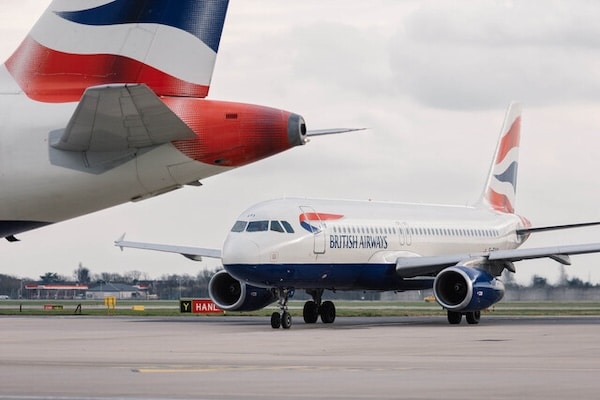

British Airways experienced another major IT system failure, causing extensive flight disruptions. This incident follows a string of similar issues for the airline, sparking frustration among passengers. The systems went down at approximately 5 PM on Monday, impacting flights globally. The company managed to resolve the glitch after a couple of hours, but the effects on flight schedules were already significant.
The latest tech failure prompted passengers to voice their grievances on social media. Many reported being grounded, while the true extent of the issue remained unclear. What is certain, however, is the widespread nature of its impact, affecting international and domestic flights. BA’s website and phone lines also went offline temporarily, adding to customer woes.
Immediate Impact on Flight Operations
British Airways’ recent IT failure has led to significant disturbances in its flight operations worldwide. The problem arose late Monday afternoon, leading to a temporary grounding of several flights. Many passengers experienced interruptions, with others facing extended delays. Though the system was restored after a couple of hours, the repercussions are continuing, with aircraft and crew schedules disrupted substantially.
The airline confirmed that all flights were operational but acknowledged potential delays. As the systems went offline, both domestic and international services were notably affected. This included major airports such as Heathrow, Gatwick, and London City, where passengers reported long waiting times. Consequently, British Airways had to implement emergency measures to manage the backlog.
Social Media Reactions
Efforts made by British Airways to address customer concerns included public apologies and advice on rebooking options. Yet, the lack of proactive communication added to passenger grievances. This incident highlights crucial areas for improvement in the airline’s customer service and crisis management strategy.
Technical Glitches Are Not Uncommon
Unfortunately, this is not the first time British Airways has faced system failures. Previous instances in May last year and several times prior disrupted travel plans for numerous passengers. Each event raised questions about the airline’s IT infrastructure and its resilience against failures.
Historically, such outages have highlighted vulnerabilities in the airline’s tech systems, prompting industry experts to call for robust upgrades. The recurrence of these glitches points to systemic issues needing urgent attention. Prolonged outages not only dent customer trust but can also have financial repercussions.
British Airways, recognising these challenges, has been working towards technological improvements. However, recurrent failures suggest the measures may be insufficient or inadequately implemented. The airline’s reputation for reliability is at stake, necessitating swift and effective action to fortify its IT systems against future disruptions.
Potential Impact on Current and Future Flights
The immediate aftermath saw flight rescheduling efforts as crews reached the end of their working hours. This presents a logistical challenge for British Airways, impacting timeliness and efficiency.
Aircraft being out of position due to earlier delays further complicates recovery. Rescheduling extends into the following day, potentially affecting hundreds of flights. This domino effect highlights the complexity of airline operations and the impact of even short-lived technical issues.
Crews and support staff face added pressure, with extended working hours and disrupted schedules. The airline must navigate these hurdles to restore normal operations promptly.
Official Responses and Apologies
These official responses form part of a broader effort to rebuild customer confidence. British Airways aims to demonstrate commitment to resolving such technical challenges effectively.
Challenges in Crisis Management
Handling crises effectively requires a robust strategy, something this incident has spotlighted for British Airways. Immediate resolutions are crucial in limiting the damage to customer perceptions and trust.
The recent failures have stressed the importance of a strong contingency plan. British Airways’ response will be closely examined, both by its customers and industry insiders. The ability to manage and communicate during crises is integral to maintaining an airline’s reputation.
Despite current setbacks, British Airways continues to work towards enhancing its crisis management frameworks. This includes refining communication channels and ensuring contingency measures are responsive and comprehensive.
Broader Implications for the Airline Industry
Technical failures, as experienced by British Airways, pose significant challenges across the airline industry. They test the robustness of IT systems and the efficiency of response strategies in place.
Such incidents can also influence consumer perceptions, raising concerns about the reliability of air travel. This impacts loyalty and can have financial implications for airlines. Ensuring smooth operations is vital for maintaining competitive advantage and customer trust.
Airlines globally are watching closely, learning from these experiences to bolster their own systems. The ripple effects of these technological failures can be far-reaching, influencing decisions and strategies industry-wide.
Long-Term Solutions and Recommendations
To prevent future occurrences, industry experts recommend a comprehensive review of IT infrastructures. This includes adopting advanced technologies and strengthening cybersecurity measures.
Continuous investment in staff training and system upgrades is essential. Enhancing communication strategies with passengers can help alleviate concerns during disruptions. Proactive measures can significantly reduce the impact of unforeseen technical challenges.
The shift towards more resilient systems is not just a necessity for British Airways but for the airline sector as a whole. Addressing these challenges holistically can pave the way for more reliable travel experiences.
Looking Forward
British Airways is at a critical juncture, needing to rebuild customer trust and enhance operational resilience. This incident serves as a wake-up call, urging the airline to prioritise its technological and customer service strategies.
The airline’s future depends on its ability to learn from past mistakes and implement solutions effectively. Leadership and innovation will be key to navigating these challenges.
Resolving these system failures will be crucial for British Airways’ future success. Ensuring robust IT systems and effective crisis management can restore trust and reliability.

