
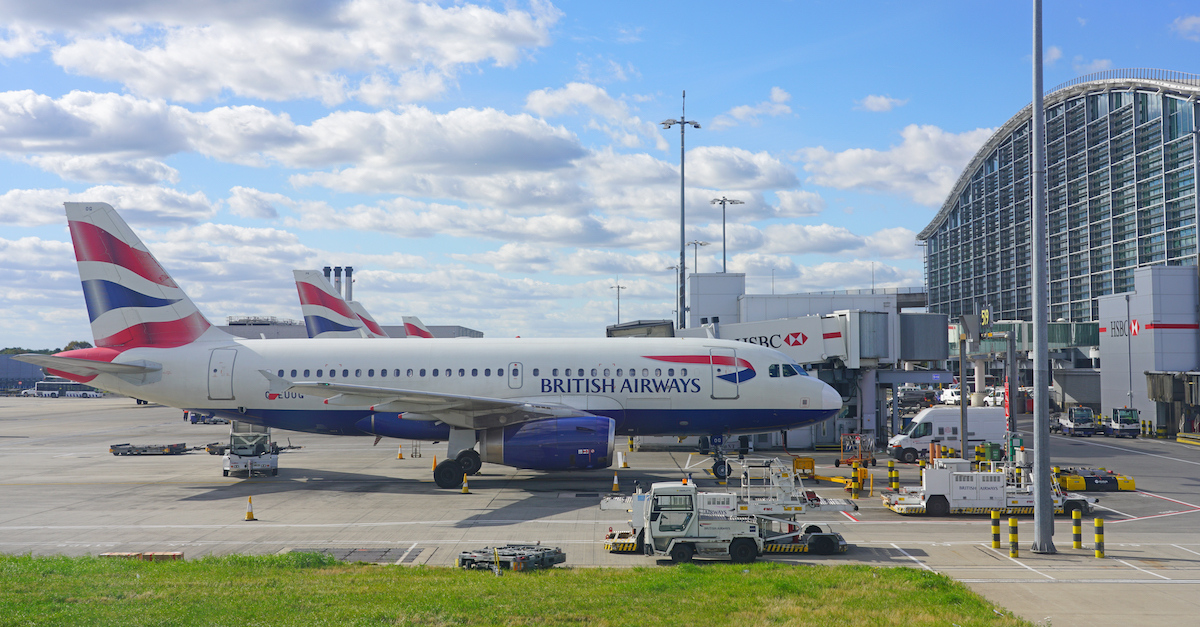

British Airways is poised to resume flights from Heathrow to Tel Aviv, reintroducing an essential international connection. Initially featuring four weekly flights starting from 1 April, a brief stopover in Cyprus will facilitate crew changes until 31 May, after which the service will operate non-stop to London.
Operational Adjustments and Schedule Details
The temporary suspension of the Heathrow to Tel Aviv route by British Airways, enacted on 11 October due to the Israel-Gaza conflict, is set to end. With the recommencement scheduled for 1 April, flights will initially include a stopover in Larnaca, Cyprus, to allow for crew transitions. This change is part of a strategic realignment of the route within BA’s short-haul network.
By integrating this route into its short-haul operations, British Airways aims to align Tel Aviv flights with others of similar duration. This adjustment reflects a crucial decision amidst evolving geopolitical dynamics and air travel demands in the region.
Impact on Business Class Services
A notable change accompanying the return of BA’s Tel Aviv flights is the shift from long-haul Boeing 777 aircraft to smaller, short-haul planes. This change means that the popular business class beds will no longer be available on this route. The decision, while commercially driven, aims to optimise operational efficiency and service alignment.
The removal of business class beds is expected to impact frequent travellers who appreciated this offering. However, BA maintains that the new setup will still deliver high-quality service with minimal disruption. The commitment to reviewing this decision suggests possible future enhancements based on demand and feedback.
Alternative Routes and Competitor Strategies
While BA and Virgin Atlantic are navigating the complexities of resuming flights, budget airline Ryanair has already recommenced operations connecting Austria, France, Germany, and Italy to Tel Aviv. This early revival reflects Ryanair’s aggressive stance in reclaiming its market presence in the region.
Wizz Air is set to return to the Tel Aviv route from Luton Airport starting 1 March, offering another travel option for UK passengers. This competitive landscape underscores the varied strategies airlines employ to capture market share and manage operational risks.
Strategic Implications and Market Impact
The reintroduction of flights between London and Tel Aviv by BA and its competitors is indicative of a broader recovery in international air travel post-conflict. The strategic use of short-haul aircraft instead of the Boeing 777 aligns with BA’s focus on cost-efficiency while maintaining route viability.
For passengers, these changes offer a blend of convenience and competition, as multiple carriers adjust their offerings to attract customers. This dynamic is expected to drive further innovations and possible fare adjustments as airlines vie for passenger loyalty.
The evolving airline strategies, particularly in terms of aircraft utilisation and flight frequency, are crucial to understanding the industry’s response to geopolitical challenges and market demands. BA’s ongoing review of its service decisions reflects an attentiveness to these complexities, aiming to balance commercial interests with passenger expectations.
Official Statements and Future Outlook
A BA spokesperson stated: “We’ve taken the commercial decision to move Tel Aviv to our short-haul network when we restart our flights on 1 April. This aligns these flights with other similar length flights we operate, and we’ll keep this decision under review.” This statement underscores BA’s commitment to adaptive operational strategies.
The future of air travel to Tel Aviv from the UK remains dynamic, with all participating airlines regularly reassessing their schedules. Travellers should remain informed of potential updates to flight operations, reflecting the fluid circumstances and strategic evaluations undertaken by airlines.
British Airways’ decision to resume Tel Aviv flights reflects a strategic alignment with regional travel needs and operational efficiencies. The adoption of short-haul aircraft and the integration into BA’s broader network highlights adaptive strategies in the face of geopolitical challenges. As the airline industry continues to navigate these complexities, passengers will benefit from diverse flight options and competitive services.

