
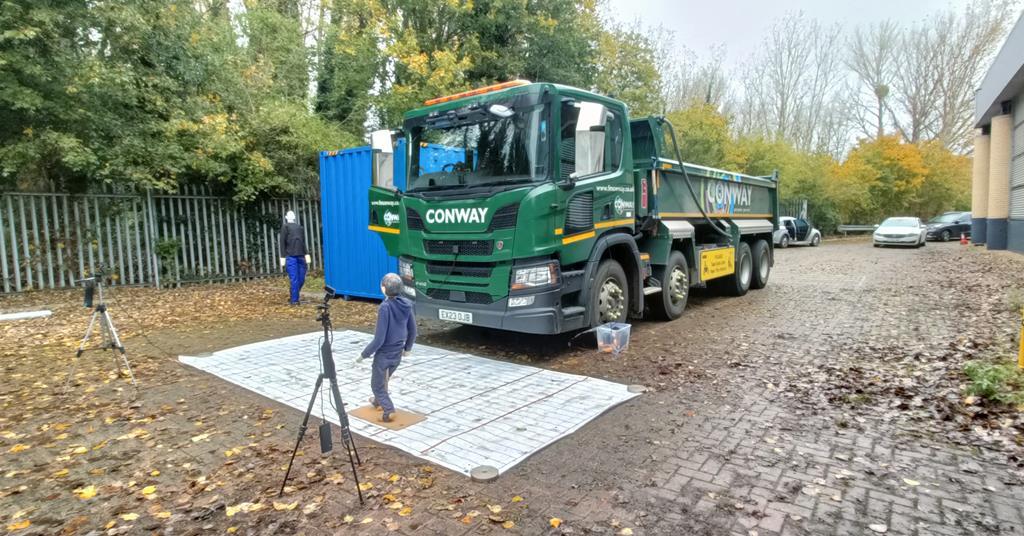

Brigade Electronics has successfully navigated rigorous testing for the new Direct Vision Standard (DVS) at Loughborough University, marking a key milestone in vehicle safety enhancements.
- The Direct Vision Standard will soon require a higher star rating, increasing from one to three, affecting both operators and manufacturers.
- Rigorous testing at Loughborough University confirmed the compliance of Brigade’s Sidescan Predict and Radar Predict systems with the stringent Progressive Safe System (PSS) specifications.
- Manufacturers must now provide sensor functionality statements, which were rigorously verified for Brigade’s detection systems.
- Transport for London’s new DVS guidelines necessitate improved safety measures, underscoring the importance of rigorous independent testing for vehicle safety technology.
Brigade Electronics has achieved a significant milestone by ensuring that its key products meet the enhanced requirements of the new Direct Vision Standard (DVS). This was accomplished through independent testing at Loughborough University, demonstrating the company’s commitment to exceeding industry safety standards.
Changes to the DVS, effective from October 2024, will increase the star rating requirement from one star to three stars. This enhancement means that operators must install additional equipment to minimise blind spots. The previous scheme, known as the safe permit, will be replaced by the Progressive Safe System (PSS), which sets more stringent criteria.
Transport for London has amplified the responsibilities of original equipment manufacturers and component manufacturers like Brigade Electronics. The new directives demand evidence of the quality of devices intended for indirect vision, necessitating rigorous testing as per the PSS technical specifications. These include specifications for side detection systems, known as Blind Spot Information Systems (BSIS), and front detection systems, or Moving Off Information Systems (MOIS).
Manufacturers are now required to produce a sensor functionality statement, essential for operators when applying for the PSS permits. This statement outlines fundamental functionalities that systems must adhere to, including a strategic alarm system based on the time to collision, reducing false alerts, and ensuring system functionality regardless of indicator status. Although third-party testing is not mandatory, Brigade Electronics insisted on independent verification to substantiate product claims regarding DVS compliance.
At Loughborough University, Brigade subjected several products to evaluation, such as the Sidescan Predict for rigid vehicles and the Radar Predict for both rigid and articulated vehicles. These assessments, crucial for verifying coverage and sensor accuracy, included testing scenarios with vulnerable road users and cyclists at various speeds and distances. The rigorous testing confirmed that all critical sensors successfully issued alerts when vulnerable road users were within coverage areas. A failure in any sensor to alert would have resulted in non-compliance with the PSS standards.
The testing outcomes endorsed by Loughborough University certify that Brigade’s Sidescan Predict and Radar Predict systems satisfy the stringent requirements laid out in the PSS specifications for BSIS and Front Radar for MOIS. Such validation underscores Brigade’s unwavering commitment to adhering to the forthcoming DVS requirements.
The introduction of stricter DVS guidelines strengthens the obligation for manufacturers to engage in comprehensive testing, ensuring the reliability and safety of advanced vehicle detection systems. This initiative by Transport for London aims to bolster urban safety by mitigating risks associated with blind spots.
The successful testing at Loughborough University reaffirms Brigade Electronics’ dedication to safety and compliance in line with the new Direct Vision Standard requirements.

