
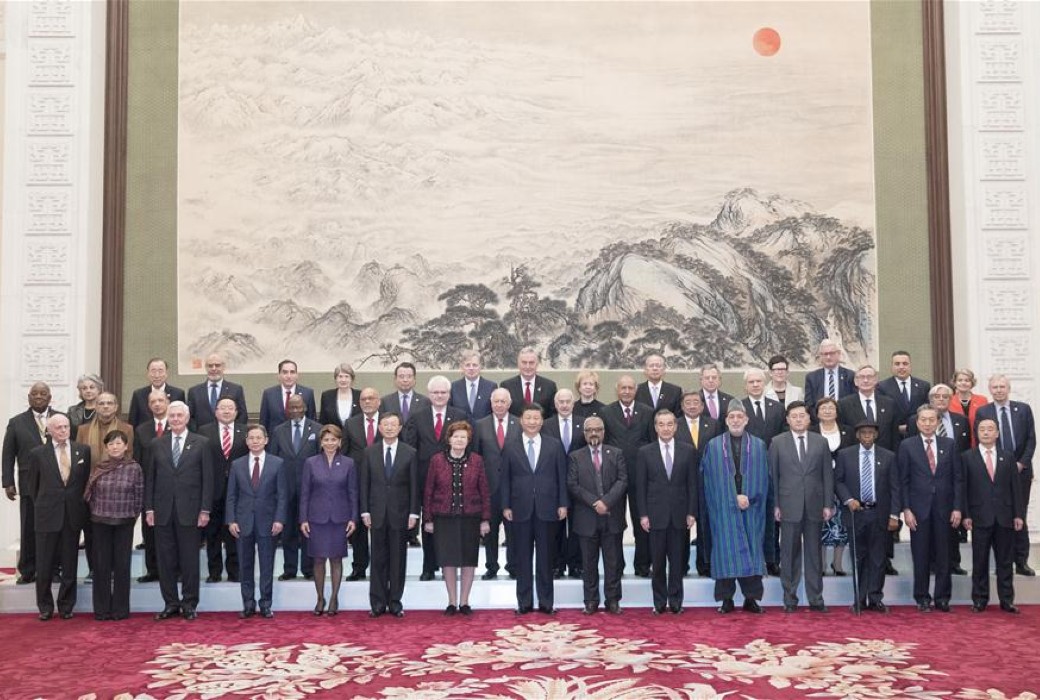

At the BRICS 2024 summit, the initiative to reduce global reliance on the US dollar gains significant traction.
The event brings together an unprecedented number of countries to discuss economic sovereignty and new trade frameworks.
Emerging Economies Move Towards De-Dollarization
The de-dollarization initiative has gained momentum as emerging economies collaborate at the upcoming BRICS 2024 summit. This event marks the first significant meeting since the alliance’s expansion last year, with new members joining the table for discussions. The primary focus will include reducing reliance on the US dollar, transforming global trade dynamics.
The summit’s outreach session set for October 24th will convene representatives from approximately 40 countries. These nations span across the Commonwealth of Independent States (CIS), Asia, Africa, Eastern Europe, South America, and the Middle East. This reflects the worldwide interest in reshaping economic dependencies.
This wide participation underscores a significant shift in economic alliances. Nations are exploring alternatives that empower their local currencies and protect their economies from external fiscal vulnerabilities. By focusing on these areas, BRICS aims to play a crucial role in global economic restructuring.
The Role of the BRICS Bank
Central to the summit’s agenda is the New Development Bank (NDB), often referred to as the BRICS Bank. The NDB plans to offer substantial loans to developing countries, promoting infrastructural growth while maintaining financial sovereignty.
These loans will be denominated in local currencies rather than the US dollar. This approach intends to minimise the economic dependency on traditional Western financial systems, allowing developing nations to reinforce their economic independence.
Global Participation at the Summit
The outreach format of this session is particularly noteworthy. By inviting a diverse group of international organisations and countries, the summit transcends traditional BRICS boundaries, seeking global consensus on de-dollarization.
The involvement of 40 countries in the summit highlights an increasing willingness worldwide to explore financial systems beyond US dollar reliance. This could potentially lead to dramatic shifts in international trade and investment patterns.
Russia’s President Vladimir Putin has confirmed that a broad range of nations will be present, emphasizing the importance of collaborative efforts in achieving economic resilience and adaptability across different regions.
Impact on Local Economies
For many of the participating countries, reducing reliance on the US dollar could provide substantial economic benefits. It could fortify their local economies against global economic fluctuations and political pressures.
The shift could lead to stronger local currencies and increased economic stability, enabling countries to strengthen their domestic markets. This shift aligns with the larger BRICS vision of enhancing economic equality among nations.
Challenges and Opportunities
While the de-dollarization agenda offers many opportunities, it also presents challenges. Adjusting to new trade policies and financial systems requires significant coordination among countries.
The transition necessitates careful planning and infrastructure development to support new economic frameworks, highlighting the need for cooperation amongst national and international entities.
As the BRICS countries push forward, the success of this ambitious initiative will largely depend on the ability to address these challenges effectively.
The Future of Global Trade
Looking ahead, the outcomes of the BRICS 2024 summit could redefine global trade norms. A successful de-dollarization could trigger a wave of economic transformations across regions.
As more countries consider diversifying their currencies, the traditional dominance of the US dollar might see a gradual decline, paving the way for a multipolar economic world.
This evolution promises a more balanced global economy, with opportunities for emerging markets to play more influential roles on the international stage.
Conclusion and Outlook
In essence, the BRICS 2024 summit represents a pivotal moment in reimagining global economic structures. The diverse participation and robust agenda highlight the significance of de-dollarization in shaping future economic landscapes.
With the collective efforts of various nations and institutions, this summit could set the stage for unprecedented shifts in economic power dynamics, heralding a new era of global economic collaboration.
The BRICS summit paves the way for transformative economic cooperation.
As nations explore de-dollarization, new opportunities for fiscal collaboration and growth emerge.

