
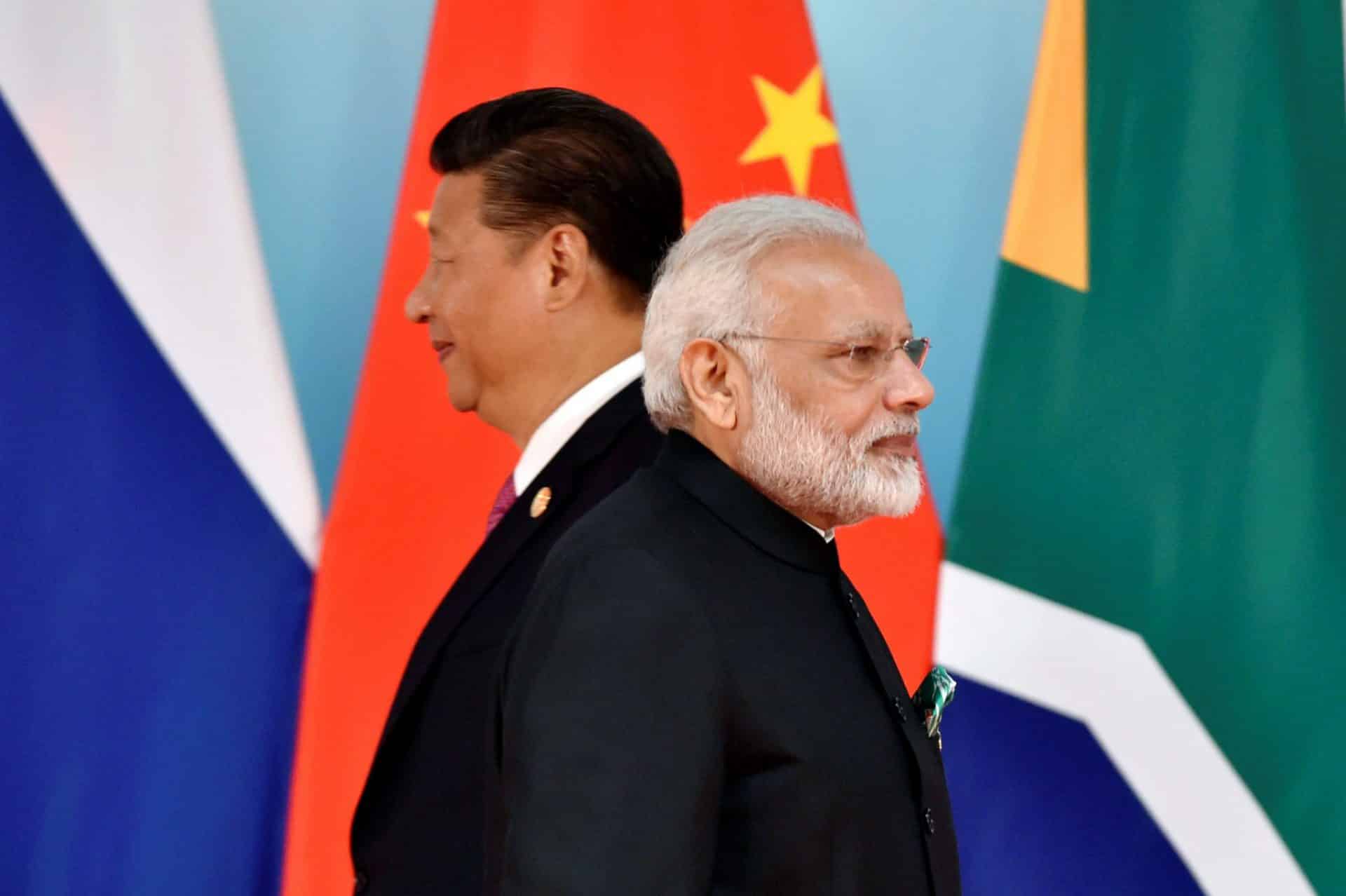

China and India have reached a pivotal agreement, defusing a long-standing border dispute as the BRICS 2024 Summit approaches. This resolution is expected to ease tensions, welcoming a new era of cooperation.
This accord not only aligns with the objectives of the BRICS summit but also marks a significant achievement in diplomatic relations. The agreement underscores the potential for mutual growth and collaboration, both regionally and globally.
Geopolitical Significance of the Agreement
China and India’s resolution of their four-year-long border dispute comes at a crucial time. This resolution marks a significant diplomatic accomplishment ahead of the BRICS 2024 Summit. With both nations poised to continue as pivotal players within the bloc, this agreement underscores their commitment to collaborative progress. The decision is expected to foster not only regional stability but also support broader international diplomatic endeavours.
Implications for BRICS and Global Relations
The BRICS bloc, consisting of Brazil, Russia, India, China, and South Africa, has historically leveraged its collective influence to navigate global challenges. The agreement between China and India is seen as a vital step towards reinforcing this unity. As BRICS considers expanding its membership, such resolutions enhance the bloc’s appeal as a stable geopolitical force.
Moreover, the potential introduction of a native payment system at the summit reflects the bloc’s ongoing efforts to cement its economic independence from Western financial structures. Such initiatives are critical as they can reshape the global economic landscape and provide member countries with improved financial autonomy.
Details of the China-India Dispute Resolution
According to India’s Minister of External Affairs, Subrahmanyam Jaishankar, patrol operations along the contested border will resume. This move follows the completion of the “disengagement process” with China, essentially bringing the border relationship back to pre-2020 conditions.
The original conflict emerged from a confrontation between soldiers that resulted in casualties on both sides. Despite public acknowledgment of the agreement, China’s Foreign Ministry has yet to release a formal statement. Key aspects of the resolution highlight the importance of transparency and diplomacy in easing long-standing tensions.
The resolution serves as a testament to the efficacy of diplomatic dialogue over military confrontation. This approach could serve as a model for resolving other international disputes, emphasizing the value of sustained communication and negotiation.
Potential for Economic and Strategic Collaboration
Beyond the geopolitical ramifications, the agreement sets the stage for renewed economic and strategic collaborations between China and India. These two economies are among the largest in the world. Their enhanced cooperation could lead to significant advancements in trade, technology, and infrastructure development.
In particular, the collaboration may pave the way for joint ventures in sectors such as renewable energy and digital innovation, which are crucial for sustainable growth. This partnership can leverage the strengths of both nations, offering mutual benefits and contributing to the global economy.
As both countries make strides towards progress, the rejuvenated relationship might also support regional initiatives such as the Belt and Road Initiative and the International North-South Transport Corridor. Such efforts could further integrate regional economies, creating a more interconnected and prosperous economic landscape.
Analyses and Opinions from International Observers
International observers have noted the timing of the agreement as strategic, with the BRICS summit presenting an opportune moment for reconciliation. Analysts suggest that the move may influence other global partnerships, encouraging similar resolutions to longstanding disputes.
Additionally, experts underscore the importance of maintaining this momentum beyond the summit. Sustained effort and commitment are crucial to ensuring that the agreement translates into lasting peace and collaboration, rather than a temporary alleviation of tensions.
The agreement has been hailed as a pragmatic step forward, potentially setting a precedent for future diplomatic endeavours. The influence of such an agreement extends beyond Asia, offering insights into conflict resolution strategies that can be applied globally.
Impact on Future BRICS Summits
Looking forward, the resolution between China and India could serve as a catalyst for more ambitious objectives at future BRICS summits. The strengthened relationship may facilitate discussions on pressing global issues such as climate change, security, and economic inequality.
Summit agendas might increasingly focus on collaborative solutions, building on the newfound unity between members. This shift could enhance the bloc’s efficacy in addressing both regional and international challenges, strengthening its role as a key player in global governance.
China and India’s ability to put aside differences is a demonstration of strategic foresight and diplomacy. It invites other BRICS members to pursue similar reconciliations, contributing to the bloc’s overall cohesion and influence.
Key Takeaways from the Agreement
The agreement between China and India ahead of the BRICS 2024 Summit signifies a pivotal moment for the bloc. Its successful implementation could redefine regional dynamics, offering a blueprint for peaceful coexistence.
By addressing their differences, China and India have set a powerful example of conflict resolution. Their actions reiterate the importance of communication, patience, and pragmatism in international relations.
The settlement of this dispute ahead of the BRICS 2024 Summit highlights the power of diplomacy. As China and India move forward, their enhanced relations promise to foster peace and economic growth.
This agreement serves as a model for resolving conflicts through dialogue, offering a blueprint for international cooperation and progress.

