
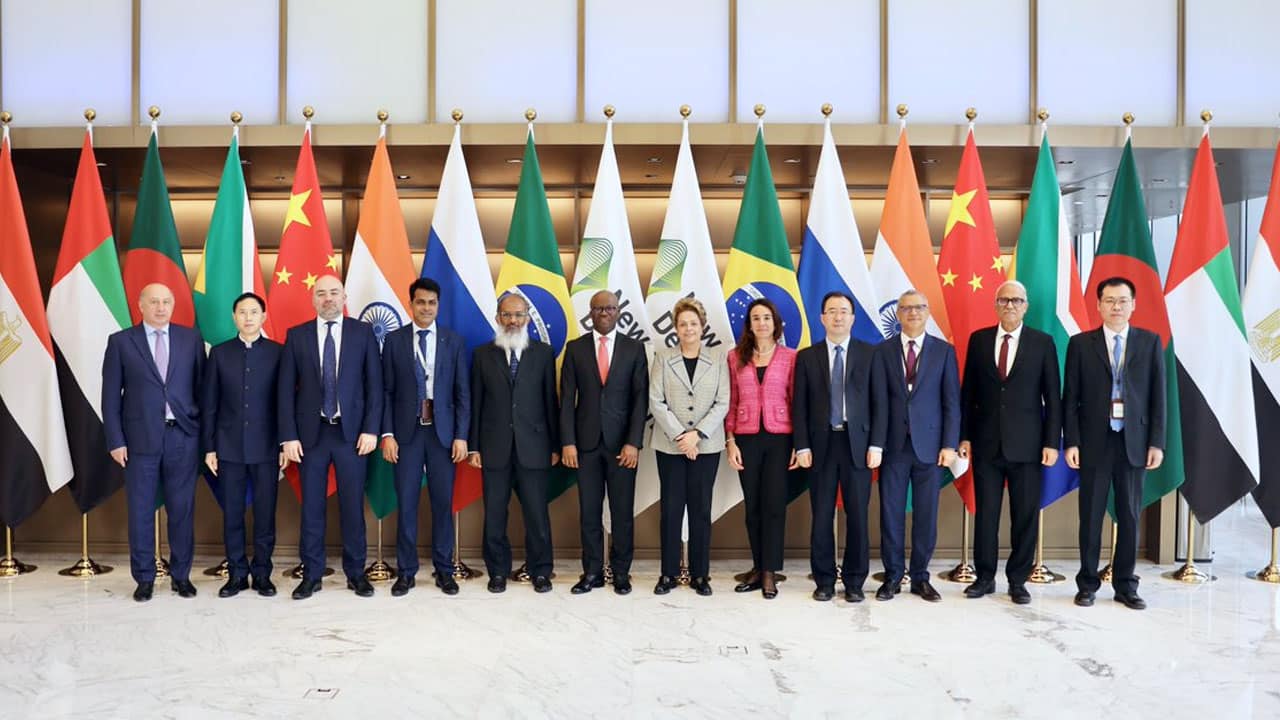

The upcoming BRICS summit promises to be a landmark event, with 35 countries set to discuss abandoning the US dollar in trade. This strategic move could redefine global economic relationships.
As nations prepare to convene, the agenda of de-dollarization aims to enhance economic sovereignty. The implications for global finance are immense, marking a shift in economic power dynamics.
BRICS 2024 Summit: A Defining Moment
In a significant geopolitical development, over 35 emerging economies are poised to participate in the BRICS 2024 summit with a transformative agenda: the de-dollarization of international trade. This strategic shift aims to bolster national economic stability by leveraging local currencies for cross-border transactions, a move seen as pivotal in redefining global financial dynamics.
The Motivations Behind De-Dollarization
The chain of events leading to this shift is deeply rooted in the economic sanctions imposed by the United States on Russia in 2022 following the Ukraine invasion. These measures highlighted the potential vulnerabilities associated with a heavy reliance on the US dollar, prompting an array of developing nations to seek alternative monetary pathways. The backing of powerful BRICS members like Russia and China has further galvanized this movement, encouraging a re-evaluation of global currency policies.
Sanctions have served as a wake-up call for these nations, igniting interest in economic sovereignty and resilience. The de-dollarization initiative promises to enhance local GDP growth and fortify domestic markets. As sentiment against US dollar dependency grows, these countries are exploring the tangible benefits of economic independence and diversified currency frameworks.
[twitter-embed-display twitter_url=’https://twitter.com/BRICSinfo/status/1846699775673909587′]
Implications for the Global Economy
As the BRICS nations shift away from the US dollar, repercussions for the global economic landscape are inevitable. The potential decline in demand for the dollar could impact its valuation and influence international monetary policies. This paradigm shift might reshape existing trade partnerships, fostering new alliances across continents.
The United States, in particular, may face challenges as its currency loses its hegemonic grip on international markets. This shift also poses questions regarding the sustainability of current economic models and the future role of the US economy in global affairs.
While the de-dollarization strategy could strengthen regional economies, it might also introduce volatility and uncertainty. The transition to a multicurrency system will require careful calibration to avoid destabilizing existing trade networks. This strategic reorientation calls for both opportunity and caution, as countries navigate uncharted financial territories.
Responses From Key Global Leaders
Responses from global leaders highlight a mix of concern and cautious optimism. US Treasury Secretary Janet Yellen has acknowledged the pressures exerted by recent sanctions, admitting that they accelerated de-dollarization trends among developing nations. “The shifting economic sands call for adaptable strategies,” Yellen stated.
Russia and China, pivotal BRICS members, have been instrumental in advocating for de-dollarization. Their concerted efforts in persuading other countries reflect a broader ambition to recalibrate global power distributions. This strategic alignment not only strengthens their geopolitical influence but also invites a rethinking of economic alliances worldwide.
Future Prospects and Strategic Considerations
The prospective outcomes of the 2024 BRICS summit introduce several strategic considerations for participating nations. Embracing localized currency systems may increase economic autonomy and reduce exposure to foreign exchange volatility. However, the path forward is fraught with challenges and demands collaboration and innovation.
Participating countries must prepare for the complexities of implementing a multicurrency trade system. This necessitates sophisticated financial infrastructure, robust regulatory frameworks, and enhanced cooperation amongst BRICS members to support seamless transitions.
As these discussions unfold, the focus remains on achieving balanced economic growth and sustainable trade practices. The summit serves as a critical platform for dialogue, where common interests are addressed and joint strategies formulated to navigate the evolving global economic landscape.
The Road Ahead: A Transformative Era
The anticipation surrounding the 2024 BRICS summit underscores a pivotal chapter in global economic history. With 35 countries potentially adopting local currencies for trade, the outcome could set new standards for international monetary systems. This historic undertaking signifies not merely a financial shift, but a broader ambition towards greater economic independence and equity.
In conclusion, the journey towards de-dollarization reflects a collective aspiration among nations to redefine the pillars of global trade. The pivotal decisions made at the BRICS summit could herald a new era, marked by strategic alliances and renewed economic frameworks.
As the summit approaches, the eyes of the world remain fixed on this dynamic convergence of economies, eager to witness the unfolding of a transformative financial narrative.
The 2024 BRICS summit marks a turning point, potentially redefining global trade dynamics as nations consider de-dollarization.
This bold initiative could usher in a new era of economic independence and cooperative financial frameworks.

