
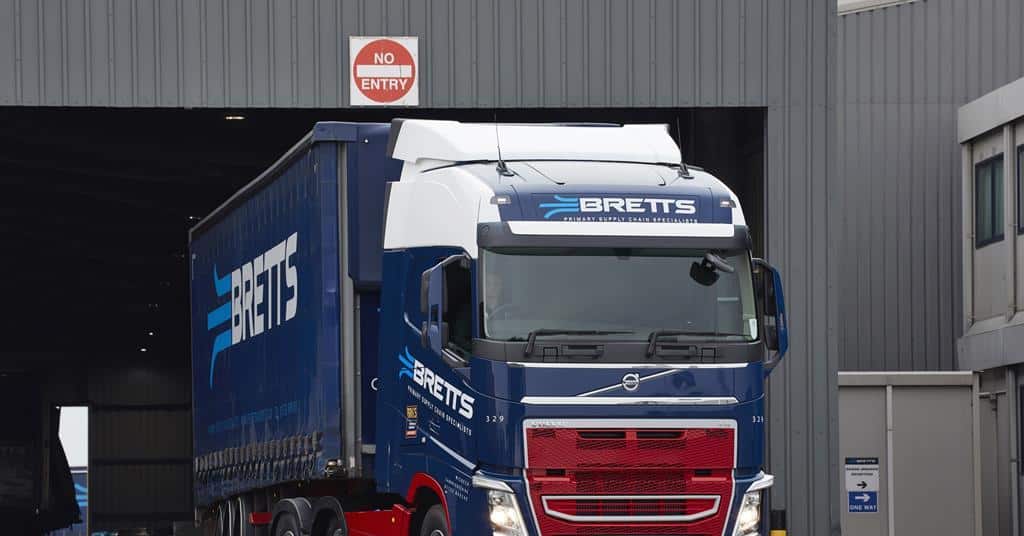

Bretts Transport’s innovative modelling strategy is transforming their consolidation process, substantially reducing environmental impact.
- The company is reporting significant reductions in fuel usage and emissions, cutting them by six percent.
- Strategically increasing pallet deliveries has reduced unnecessary trips, promising further emission cuts of three percent.
- Flexible new business models enable customers to transport larger volumes less frequently, optimising delivery efficiency.
- Upcoming implementation of automated real-time KPI reporting will enhance transparency and performance insights.
Bretts Transport in Wisbech is spearheading a forward-thinking approach to logistics and carbon reduction. By implementing a new modelling strategy, they have successfully optimised their consolidation process, yielding substantial environmental and operational gains. The company reports a notable six percent reduction in both fuel usage and emissions, illustrating a proactive commitment to sustainability.
A key element of this strategy is the increased efficiency in pallet deliveries. By boosting the number of pallets delivered per trip, Bretts Transport has curtailed unnecessary journeys, setting the stage for a projected additional three percent cut in emissions. This operational enhancement not only supports their environmental goals but also underscores a robust framework for future logistical optimisations.
This strategic shift offers enhanced flexibility to customers, allowing them to move larger volumes with reduced frequency. Such an approach optimises each delivery run, aligning with best practices for efficiency and sustainability. The company sees this as a crucial step towards achieving net zero emissions, while simultaneously strengthening the business’s long-term viability.
Bretts Transport is not resting on its laurels. They are poised to introduce automated, real-time KPI reporting in the coming years. This technological advancement will deliver critical performance metrics to customers, enhancing transparency and streamlining reporting processes. It reflects a broader industry trend towards data-driven decision-making, ensuring that Bretts Transport remains ahead of the curve.
Wayne Minney, the transport manager, expressed enthusiasm about this innovative direction: “This approach has provided increased flexibility to customers, enabling them, for example, to transport larger volumes less frequently, resulting in fewer trips. Through changing the way we operate, we’re essentially making every mile count.” His statement encapsulates the strategic shift and its dual focus on customer benefits and sustainability.
Bretts Transport’s modelling strategy represents a significant advancement in sustainable logistics practices.

