
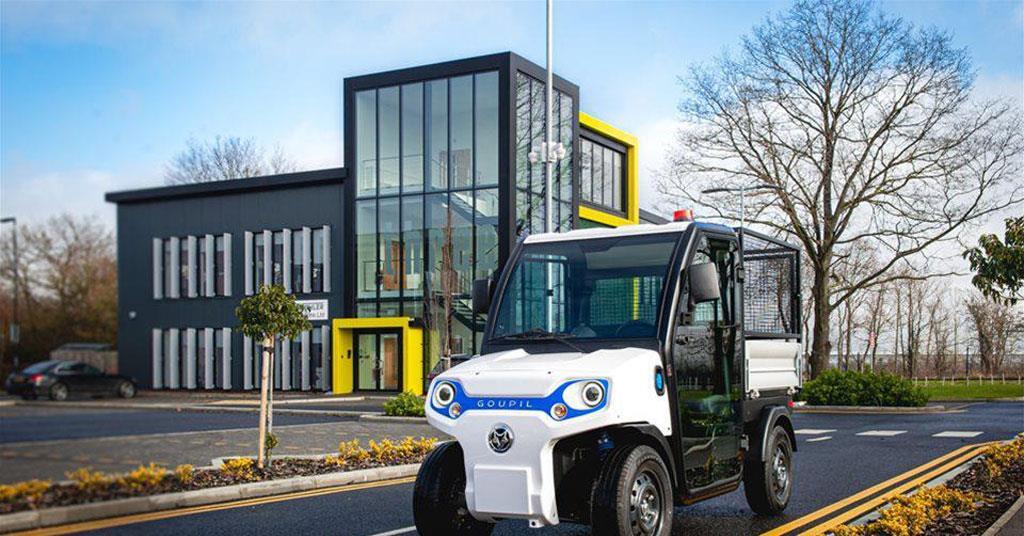

Battery electric vehicles (BEVs) have a storied history predating many modern perceptions.
- The UK once boasted the largest fleet of BEVs globally, with electric vehicle usage prominent in the 1960s.
- Bradshaw Electric Vehicles has been a key player in the BEV sector since 1976, now partnering with Goupil and Club Car.
- The Goupil range, distributed by Bradshaw, is designed for diverse urban and municipal applications in the UK.
- Bradshaw offers a unique choice between lead-acid and lithium batteries, each catering to distinct operational needs.
Battery electric vehicles (BEVs) are often thought of as modern innovations, yet their presence dates back to the late 19th century in Europe. Originally, the UK held the distinction of having the largest fleet of BEVs during the 1960s, a time when electric vehicles like milk floats were commonplace.
Bradshaw Electric Vehicles, based in Peterborough, has significantly contributed to the BEV sector since its inception in 1976. In 2017, Bradshaw became the exclusive UK distributor for the French BEV manufacturer Goupil, which is part of the expansive US-based Polaris Industries. This partnership has enabled Bradshaw to expand its offerings to include Goupil’s road-ready electric vehicles.
Goupil began its journey in 1986 and now boasts a production capacity of approximately 5,000 units annually at its facility in the south of France. The company’s vehicle range, which includes the G2 and G4, is versatile and well-suited for urban and city usage, with configurations supporting both left and right-hand drive models.
The Goupil vehicles distributed by Bradshaw are especially noted for their modular design, offering up to 11 different body options. This flexibility makes them highly suitable for a range of sectors, including site maintenance and municipal services. Notably, the G4 model can be transformed to include features such as cranes or even be converted into a mobile coffee van.
Bradshaw’s marketing manager, Ramsy Labassi, emphasizes the adaptability of the Goupil range, particularly as an alternative to traditional diesel vehicles. With comparable payloads to a Transit van, the Goupil vehicles provide versatile solutions with the advantage of reduced diesel-related maintenance issues.
A standout aspect of Bradshaw’s offering is the choice between lead-acid and lithium batteries. Around 60% of Goupil vehicles are equipped with lead-acid batteries, which are deemed suitable for short-range tasks. Conversely, lithium batteries offer extended range and faster recharge times, albeit at a higher cost, making them ideal for applications requiring frequent use or longer distances.
Bradshaw’s strategic decision to offer both battery options underscores its commitment to meeting diverse customer needs, whether they require minimal daily travel or robust performance over extended distances. This adaptability has allowed them to cater to various sectors, from local authorities to health trusts and educational institutions.
Bradshaw Electric Vehicles continues to demonstrate an innovative approach in the BEV market, offering versatile solutions to meet varied demands.

