
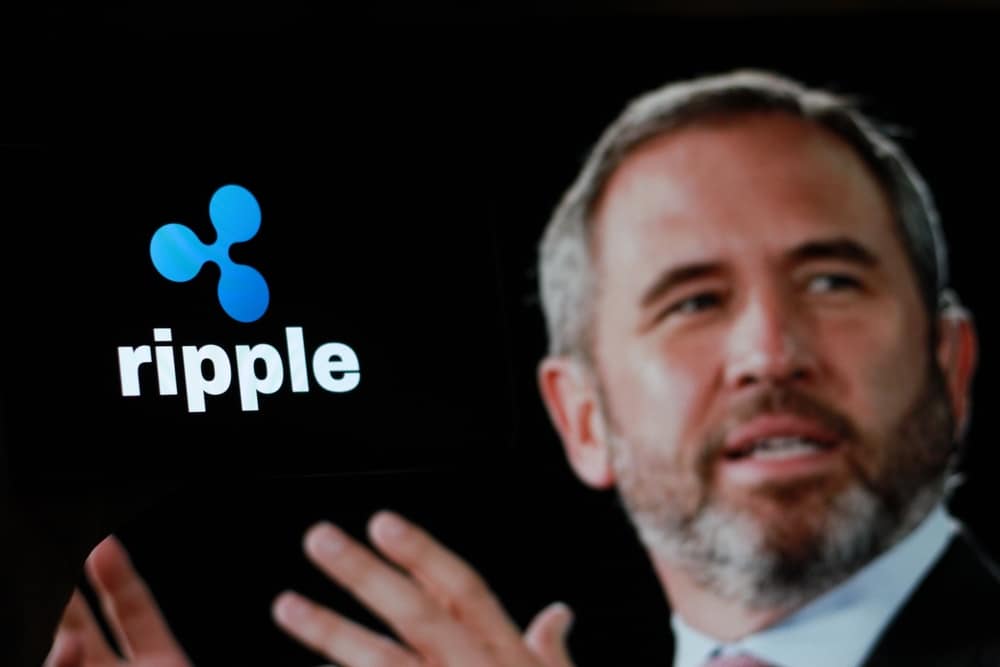

Ripple’s CEO, Brad Garlinghouse, supports Bitnomial’s legal battle against the SEC. This clash aims to delineate jurisdiction over XRP futures amidst heightened tensions between the crypto industry and regulators.
Bitnomial’s lawsuit seeks judicial intervention to define regulatory boundaries, highlighting the ongoing tension between SEC and CFTC jurisdictions. The case raises critical issues about digital asset classification and compliance.
Bitnomial’s Stand Against Regulatory Overreach
In a bold legal manoeuvre, Bitnomial, a well-known derivatives exchange, has filed a lawsuit against the SEC. The firm challenges the SEC’s jurisdiction over XRP futures, asserting that its self-certified XRP-based derivatives should fall under the exclusive purview of the CFTC. This legal action seeks to curb the SEC’s perceived overreach in classifying XRP futures as securities, which Bitnomial argues falls solely under the CFTC’s authority.
Ripple and Garlinghouse’s Vocal Opposition
Brad Garlinghouse, Ripple’s CEO, has not remained silent in the face of what he perceives as the SEC’s regulatory overreach. Through social media, Garlinghouse sharply criticised the regulator, dubbing it a “renegade agency”. His criticism highlights the tension between Ripple and the SEC, particularly as the company continues its legal fight against the agency over the classification of XRP.
[twitter-embed-display twitter_url=’https://twitter.com/Bitnomial/status/1844544290040451096′]
Despite a court ruling favouring Ripple, declaring XRP not a security, the SEC remains adamant in its pursuit, seeking to appeal the decision. Garlinghouse’s public support for Bitnomial underscores the shared industry concern over the SEC’s regulatory stance, which many in the crypto space view as increasingly aggressive and overstepping legal boundaries.
Implications for the Crypto Industry
The outcome of Bitnomial’s lawsuit against the SEC could have significant repercussions for the broader cryptocurrency industry. At the heart of the case lies a critical jurisdictional debate between the SEC and CFTC, which may affect how digital asset futures are regulated in the United States. Many industry players are closely monitoring the case, understanding that its resolution might set a precedent for future regulatory actions.
Companies offering similar products to Bitnomial are particularly interested in this legal battle, keen to understand how future offerings might be affected. The decision could define the parameters for what constitutes a security versus a commodity, potentially reshaping oversight and compliance requirements for firms dealing in digital assets.
A Legal Tug-of-War
Bitnomial’s legal pursuit shines a light on the ongoing struggle for clarity in the regulation of digital assets. The question of whether XRP futures fall under securities laws or commodity regulations remains pivotal. Bitnomial seeks a court determination to solidify its stance that these contracts should not be regulated as securities, thus eliminating the SEC’s prospective enforcement actions against them.
The case also underscores the broader legal tensions between regulatory bodies in the United States, with the outcome potentially influencing which agency holds sway over future digital asset regulations. As both the SEC and CFTC have vested interests in the sector, the resolution of this matter will be closely watched by regulatory analysts and industry stakeholders alike.
Continuing Legal Challenges for Ripple
Ripple continues to face a complex legal landscape, with its appeals ongoing against an SEC ruling requiring a hefty $125 million fine. Despite earlier successes in court, the firm remains embroiled in legal disputes that underscore the contentious nature of XRP’s classification. As Ripple champions Bitnomial’s fight, its own legal battles serve as a backdrop to broader industry tensions.
Garlinghouse’s assertive stance against the SEC aligns with Ripple’s ongoing strategy to challenge what it views as unfair regulatory treatment. By supporting Bitnomial, Ripple reinforces its commitment to confronting perceived regulatory oversteps, a position gaining traction among other industry stakeholders.
A Precedent in the Making
The unfolding legal discourse surrounding Bitnomial’s case against the SEC may potentially pave new regulatory paths for the cryptocurrency market. The trial’s outcome could redefine how digital asset derivatives are regulated, offering clarity and possibly harmonising the regulatory approaches of the SEC and CFTC. As such, this case has attracted significant attention from market participants and legal experts.
Bitnomial’s lawsuit is crucial in challenging the status quo and could influence future digital asset regulation. By addressing these jurisdictional ambiguities, the case might streamline compliance for firms operating in this space, thereby providing a clearer roadmap for adherence to U.S. laws.
Conclusion of the Battle
Ultimately, the Bitnomial case stands as a significant challenge to the SEC’s current stance on cryptocurrency regulation. The decision reached could influence not only XRP futures but also set a benchmark for future regulatory dealings across the cryptocurrency spectrum. Industry observers await the outcome, which promises to be a pivotal moment in the evolving regulatory landscape of digital assets.
The unfolding lawsuit between Bitnomial and the SEC could set a critical precedent in digital asset regulation.
Stakeholders across the crypto industry are keenly observing, aware that the decision could redefine compliance and regulatory clarity for future digital assets.

