
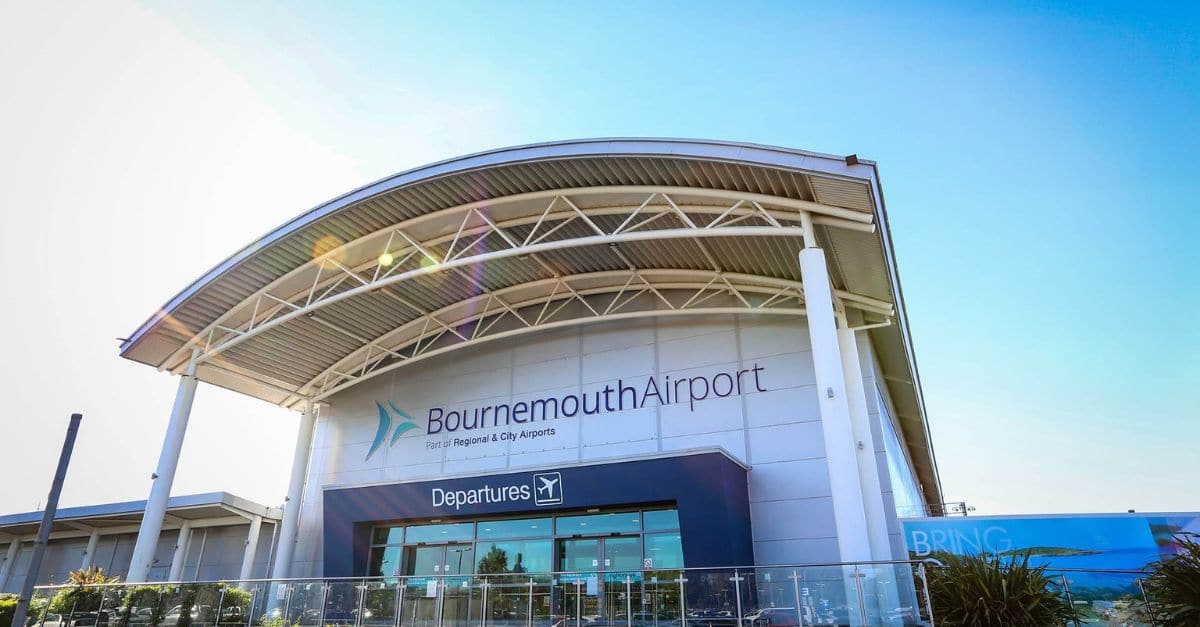

Bournemouth Airport is on the verge of reaching a milestone that hasn’t been achieved since 2008, signalling a significant leap forward in its operations. The anticipated passenger numbers for the year are set to exceed one million, reinforcing the airport’s growing significance as a key travel hub in the region.
An impressive rise in passenger figures during the summer months reflects the airport’s strategic initiatives and partnerships with major airlines. These efforts are designed to enhance connectivity and offer more travel options to the public, positioning Bournemouth Airport as a leading choice for travellers.
Passenger Growth at Bournemouth Airport
In an impressive turn of events, Bournemouth Airport is poised to welcome over one million passengers this year. This significant achievement marks a return to figures not seen since 2008. Between April and October, the airport recorded a notable increase of almost 103,000 passengers, culminating in a total of 840,210 passengers during this period. This upward trend highlights the airport’s growing popularity and strategic position in the region.
The rise in passenger numbers can be attributed to the expansion strategies of major airlines operating at the airport. Tui, one of the prominent airlines, decided to base a second aircraft at Bournemouth this summer, effectively adding 60,000 more seats for passengers. Similarly, Ryanair, with its robust 20-route network, has been instrumental in attracting more travellers, further bolstered by the introduction of a year-round service to Agadir, Morocco.
Influence of Airline Strategies
The strategic placement of additional aircraft by Tui and Ryanair has greatly benefited Bournemouth Airport. Tui’s decision to enhance its operations by including a second plane not only increased capacity but also showcased the airport’s ability to handle more flights and passengers efficiently.
Meanwhile, Ryanair’s comprehensive network, including new routes and consistent service expansions, has positioned Bournemouth as a more attractive option for international travellers. The airlines’ efforts to expand routes and services have been pivotal in driving the surge in passenger numbers, indicative of a well-executed growth strategy.
Impact of New Routes and Services
The airport’s growth is further underpinned by the introduction of new routes and services, adding to its appeal. Jet2’s decision to commence operations with 20 routes across mainland Europe, the Canary Islands, and the Mediterranean, initially planned for later in the year, was accelerated by two months to meet rising demand.
These new routes are not just about enhancing connectivity but also about providing passengers with more travel options. This variety of destinations is expected to draw even more travellers, amplifying the airport’s reach and appeal in the competitive air travel market.
With Jet2holidays also beginning its services, the airport is set to offer even broader travel choices, catering to diverse traveller preferences. This development emphasises the airport’s growing role as a hub for both leisure and business travel.
Management’s Vision and Outlook
Bournemouth Airport’s management has been proactive in capturing the growing travel demand. Their focus is not only on increasing passenger numbers but also on improving overall service quality. Such efforts are aimed at making the airport a preferred choice for travellers seeking convenience.
Steve Gill, the managing director, expressed his excitement over the airport’s achievements, noting that Bournemouth’s appeal as an alternative to congested London airports is rising. He stated, ‘We’re thrilled to see Bournemouth Airport becoming increasingly popular as a great alternative to the busy London hubs.’
The management’s strategic initiatives are designed to further develop the airport’s infrastructure and service offerings, ensuring it remains competitive and attractive to both airlines and passengers. This forward-thinking approach is key to sustaining the airport’s growth trajectory.
Regional Economic Influence
The increase in passenger traffic is having a substantial impact on the local economy. As more passengers pass through Bournemouth Airport, the surrounding region stands to benefit from increased business opportunities and tourism.
Local businesses, particularly those in the hospitality and transportation sectors, are likely to see a positive uptick in activity, aligning with the upward passenger trend. This economic boost is expected to create job opportunities and contribute to the region’s overall prosperity.
Such positive regional economic implications underscore the airport’s role as a vital transport hub, supporting both the local and broader UK economy.
Future Developments and Plans
Looking ahead, Bournemouth Airport has several plans to further boost its passenger capacity and improve its facilities. This includes infrastructure upgrades to support increased flights and enhance the passenger experience.
Investment in technologies aimed at streamlining operations and providing seamless travel experiences are part of the airport’s ongoing development strategies. Passengers can expect more efficient security processes and improved amenities as part of these developments.
These future plans are indicative of the airport’s commitment to growth and adaptation in the rapidly evolving aviation industry, aiming to meet future challenges and opportunities head-on.
Competition with London Airports
Bournemouth Airport’s growth is significant against the backdrop of its competition with larger London airports. Offering a less congested, more convenient travel option, Bournemouth is attracting passengers seeking alternatives to the capital’s bustling hubs.
Airlines operating out of Bournemouth are capitalising on this by promoting shorter check-in times and more direct routes, appealing to both business and leisure travellers. This competitive edge is crucial in attracting a loyal passenger base away from London.
The airport’s leadership continues to highlight these advantages, with a focus on building long-term relationships with airlines and passengers through improved services and destination offerings.
Environmental Considerations
Amid its expansion, Bournemouth Airport remains mindful of its environmental responsibilities. Efforts are underway to implement sustainable practices in its operations, focusing on reducing carbon emissions and improving energy efficiency.
The airport is exploring the use of renewable energy sources and investing in green technologies to achieve its sustainability goals. This proactive approach aligns with broader industry trends towards more eco-friendly aviation practices, which are increasingly important to both regulators and passengers.
By pursuing these environmentally conscious initiatives, Bournemouth Airport aims to balance growth with sustainability, playing its part in the global effort to tackle climate change.
Passenger Experience Enhancements
Enhancing passenger experience is a paramount concern for Bournemouth Airport. Efforts are being made to streamline airport processes, from check-in to boarding, to ensure a pleasant travel experience.
New lounges, shopping options, and dining facilities are part of the airport’s strategy to offer a comprehensive travel experience. With these enhancements, passengers can expect a higher level of comfort and convenience during their time at the airport.
These improvements are designed to cater to the expectations of modern travellers, making Bournemouth Airport not just a transit point but a part of the overall travel enjoyment.
Summary of Bournemouth Airport’s Achievements
Bournemouth Airport’s anticipated milestone of surpassing one million passengers is a testament to its robust growth strategy and effective management. This achievement not only highlights the airport’s growing popularity but also its ability to adapt and thrive in a competitive market.
The collaboration with airlines to expand routes and enhance services has been a key driver in reaching this milestone. As the airport continues to grow, its commitment to offering diverse destinations and an improved passenger experience will remain at the core of its operations.
Overall, Bournemouth Airport’s progress paints a promising picture of future success in both regional and international travel arenas.
Bournemouth Airport stands on the brink of a historic achievement, illustrating a successful growth strategy and promising future. Surpassing the million-passenger mark is not just about numbers; it signals the airport’s pivotal role in regional development. Its efforts in enhancing service quality and expanding route networks are setting a benchmark for regional airports.
By focusing on sustainability and passenger experience, Bournemouth Airport is not only poised for continued growth but also contributing positively to the local economy and global environmental efforts. This achievement positions the airport as a model for balancing expansion with responsibility.

