
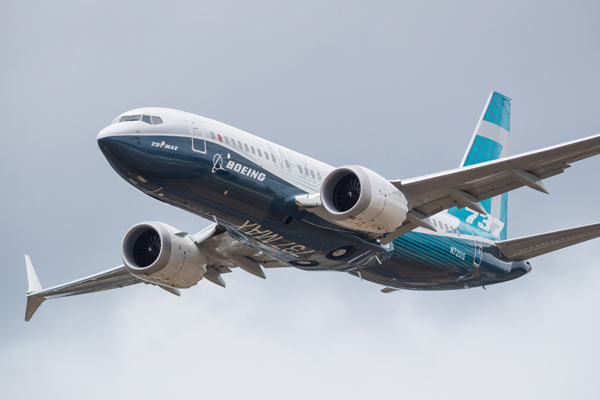

A recent review has unveiled significant safety culture issues within Boeing, highlighting a disconnect between senior management and other divisions. This revelation prompts a stringent call for an overhaul of safety protocols.
Experts have voiced concerns over inadequate measures and lack of communication channels in Boeing’s safety stance. The review underscores the urgency for the company to reassess and fortify their safety strategies.
A comprehensive review by a specialist panel has disclosed a significant ‘disconnect’ between the senior management at Boeing and other parts of the company concerning safety culture. Appointed by the U.S. Federal Aviation Administration, the panel identified issues with the implementation of a positive safety culture and noted a ‘lack of awareness’ regarding safety metrics across various levels of the organisation.
The panel’s revelations are critical, especially following the tragic crashes involving Boeing 737s in 2018 and 2019, which resulted in 349 fatalities. The report highlights insufficient pilot involvement in the design and operational processes of aircraft, raising concerns about the effectiveness of current safety protocols and the need for systemic changes.
In response to the findings, Boeing has committed to developing an action plan within the next six months. The company emphasised its efforts to cultivate a safety culture that empowers employees to voice concerns, yet acknowledges that further measures are necessary to enhance its safety and quality programmes.
The Federal Aviation Administration (FAA) has expressed its commitment to rigorously evaluating the report, underlining its determination to hold Boeing to the highest safety standards. The FAA plans to ensure that the company’s approach to addressing the panel’s recommendations is comprehensive and effective in reinforcing safety measures.
The report calls for Boeing to reassess its approach to safety by integrating the panel’s insights into its strategies. This includes a deeper engagement with pilots during the design phase and an overhaul of the safety metrics currently in place, ensuring they are understood and prioritised at all organisational levels. The path forward for Boeing involves transformative changes to prevent future tragedies.
In conclusion, the report serves as a stark reminder of the paramount importance of aligning safety protocols with organisational practices. Boeing’s proactive engagement with the recommendations will be pivotal.
With a commitment to reform, Boeing can set a precedent in the aviation industry, ensuring enhanced safety and operational integrity. The onus now rests heavily on swift and decisive action to restore trust.

