
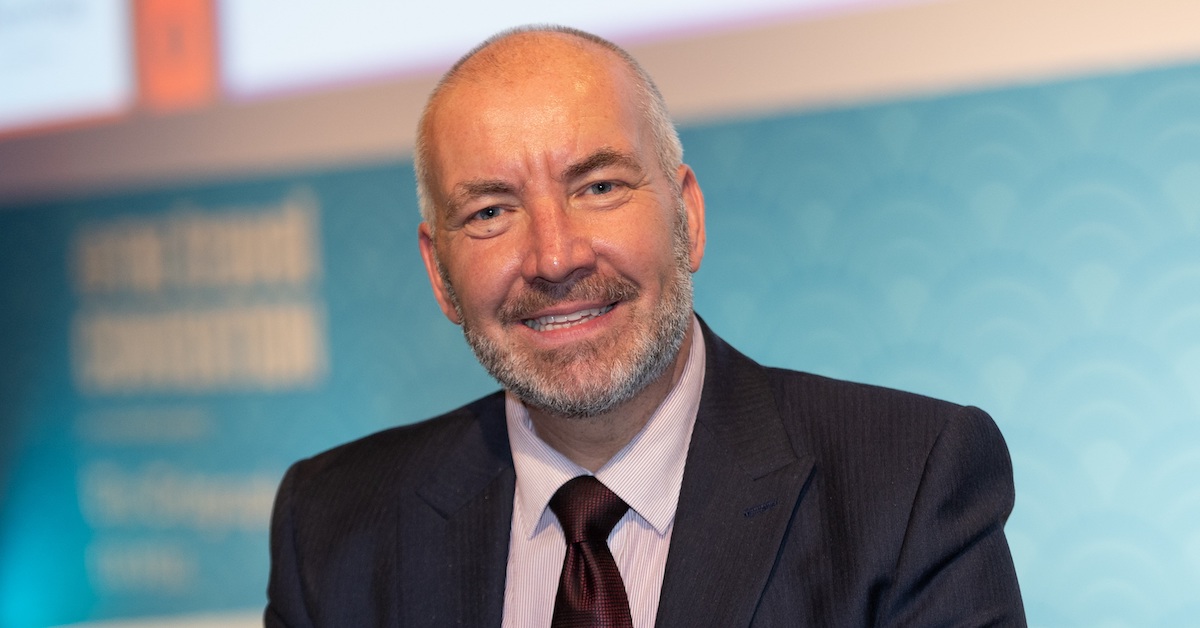

The travel industry faces potential job risks due to impending national insurance increases, warns Blue Bay Travel CEO Alistair Rowland. This warning comes amidst expectations of further rises in the national living wage next April. Latest forecasts suggest a significant strain on travel agencies, potentially leading to reduction in workforce or incentives. The government aims to balance spending with tax incomes, impacting agency operations. Stakeholders express concerns over sustainability of current business models under financial pressures.
The travel industry is bracing for potentially turbulent times as Blue Bay Travel CEO Alistair Rowland cautions that job risks loom large with the anticipated rise in national insurance contributions. This increase, expected to be announced in the upcoming Budget, could force agencies to either cut jobs or reduce incentive schemes, placing immense pressure on the sector.
Rowland, who also serves as chair of the travel association Abta, emphasised the growing challenges faced by the industry. These challenges include recent substantial hikes in the national living wage rates in 2023 and 2024, which saw increases of 10%, with further rises forecasted next April. The Low Pay Commission projects a rise in the national living wage to a central estimate of £11.89, potentially straining businesses further.
Speaking at a recent Business Breakfast at the Travel Convention, Rowland highlighted the detrimental effects of additional wage increases. He noted, “Another significant rise in the national living wage will be difficult. It’s great for people [getting it], but where there is a strong incentive to sell, it will be throttled.” This illustrates the tension between ensuring fair wages and maintaining operational viability in a competitive market.
In discussions, Rowland pointed out the financial quandary agencies find themselves in, particularly when salary increases at lower levels far exceed what can be implemented at higher tiers. “You’re trying to square a range of salaries,” he remarked, underscoring the dilemma businesses face in adjusting pay scales amidst economic constraints.
Further complicating the landscape is the uncertainty surrounding the specific increase in national insurance. Rowland projects that this could lead to a cumulative 30% hike in associated costs over slightly more than two years, exacerbating existing financial challenges and potentially resulting in the loss of incentives or job cuts within agencies.
In conclusion, Rowland underscored the difficulties in balancing the intended benefits of increased wages against the potential negative impact on business sustainability. His insights reveal the complex dynamics at play as the industry confronts these probable fiscal changes, raising questions about the future structure and resilience of travel agencies.
The looming fiscal changes suggest a challenging road ahead for the travel industry.

