
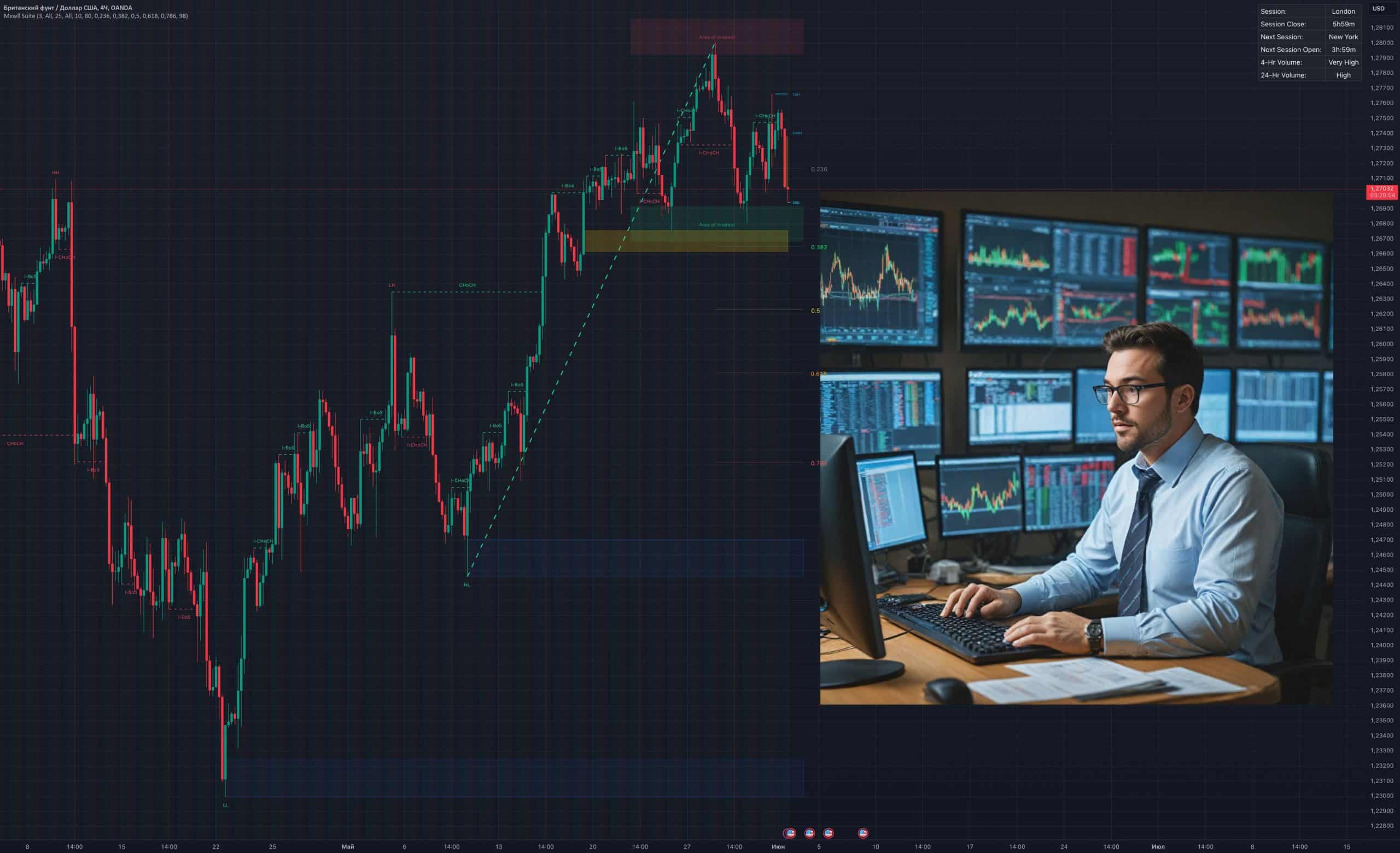

Everyone talks about crypto exchanges the same way — until BitMEX comes up. BitMEX reviews usually sound different from the start, because traders aren’t talking about slick design or long coin lists. They’re talking about leverage. Liquidations. Funding rates. And what happens when the market goes from calm to chaos in a matter of minutes.
That difference matters.
Among seasoned traders, BitMEX is rarely framed as a catch-all crypto exchange. It’s more often treated as a focused derivatives venue, one built in a way that feels closer to old-school financial markets than beginner-friendly retail apps. That reputation shapes almost every serious conversation around it.
First impressions? Mixed.
A lot of traders say BitMEX feels demanding the first time they open it. The platform doesn’t really hold your hand, and it doesn’t pretend to. You’re expected to understand margin, liquidation rules, and funding mechanics before placing real trades. No soft landing.
For newer users, that can feel like a wall. For experienced traders, though, it often reads as a signal: this platform was built for derivatives trading, not casual dabbling on a lunch break.
That tone carries straight into the trading experience.
In most trader discussions, BitMEX is tied almost entirely to margin-based derivatives, not spot buying and selling. Positions are opened using collateral — historically Bitcoin — and the rules around liquidation are strict. Very strict. Traders bring up the same points again and again: high leverage can boost upside, but it can also wipe out a position fast; funding rates matter more than many beginners expect; and once volatility spikes, risk control stops being a nice idea and becomes survival.
That’s a big reason BitMEX reviews tend to sound blunt. When traders lose money there, they usually don’t blame random glitches or mysterious failures. More often, they blame leverage, bad timing, thin buffers, or poor risk management. Harsh? Sure. But that’s part of the platform’s image: unforgiving, yet mechanically consistent.
Liquidity is another major theme.
During its peak years, BitMEX was widely seen as one of the deepest Bitcoin derivatives markets around. That made it attractive for larger positions and aggressive trading strategies. Traders often pointed out that big swings on BitMEX didn’t stay on BitMEX for long — they could ripple across the wider market.
And then came the liquidation cascades.
Anyone who traded through those periods remembers them. A sharp move would hit, overleveraged positions would start blowing out, and the chain reaction could become its own event. Traders watched BitMEX closely because price action there often acted like a signal flare for broader market stress. Even after other platforms gained ground, that association stuck.
Fees come up too, though not always in the way outsiders expect.
Most experienced traders don’t obsess over the posted maker and taker fees in isolation. They care about how those fees interact with leverage and funding over time. That’s where the real cost shows up. A position that looks manageable at first can become expensive if it needs constant adjustment or sits open through unfavorable funding periods.
So yes, fees matter — but discipline matters more.
That’s one of the recurring threads in BitMEX reviews: cost efficiency depends heavily on how the trader behaves. Reckless sizing, overtrading, and sloppy position management usually hurt more than the fee table itself.
Trust is where the conversation gets a little more layered.
When people ask whether BitMEX is legit, traders often separate two things: operational reliability and regulatory history. They don’t treat those as the same issue. On the operational side, many describe BitMEX as a real, established exchange with clear mechanics and a long track record in crypto derivatives. On the regulatory side, they openly acknowledge that the platform has baggage.
Still, traders often judge trust through performance under pressure. Not branding. Not glossy claims. They want to know how the system behaves when volatility explodes and the market gets ugly. That, more than marketing language, tends to shape how legitimacy is discussed.
Who is BitMEX really for? Traders seem pretty aligned on that.
It’s generally viewed as a platform for people who already understand leveraged derivatives, actively manage margin, and can handle rapid liquidation scenarios without panicking. Beginners? Usually not the target crowd. Or at least that’s how the market talks about it.
Picture someone brand new to crypto opening BitMEX and clicking into a leveraged position without fully grasping liquidation mechanics. It doesn’t usually end with a valuable life lesson and a small loss. It ends fast. That’s exactly why traders keep warning that the platform makes more sense for professional or semi-professional users than for the average newcomer.
BitMEX isn’t seen as the king it once was. That much is clear.
But it still comes up, often, in conversations about crypto market structure. Traders refer to it as an early benchmark for derivatives trading, a major influence on perpetual contract design, and a useful case study in how leverage can amplify volatility across the entire market. That legacy hasn’t gone away.
And that’s really the thread running through most BitMEX reviews. Traders don’t describe it as easy. They don’t call it beginner-friendly. What they do say, over and over, is that it played a major role in shaping professional crypto trading culture.
That’s why BitMEX still gets discussed. Not because it’s simple — because it mattered, and in a lot of ways, still does.

