
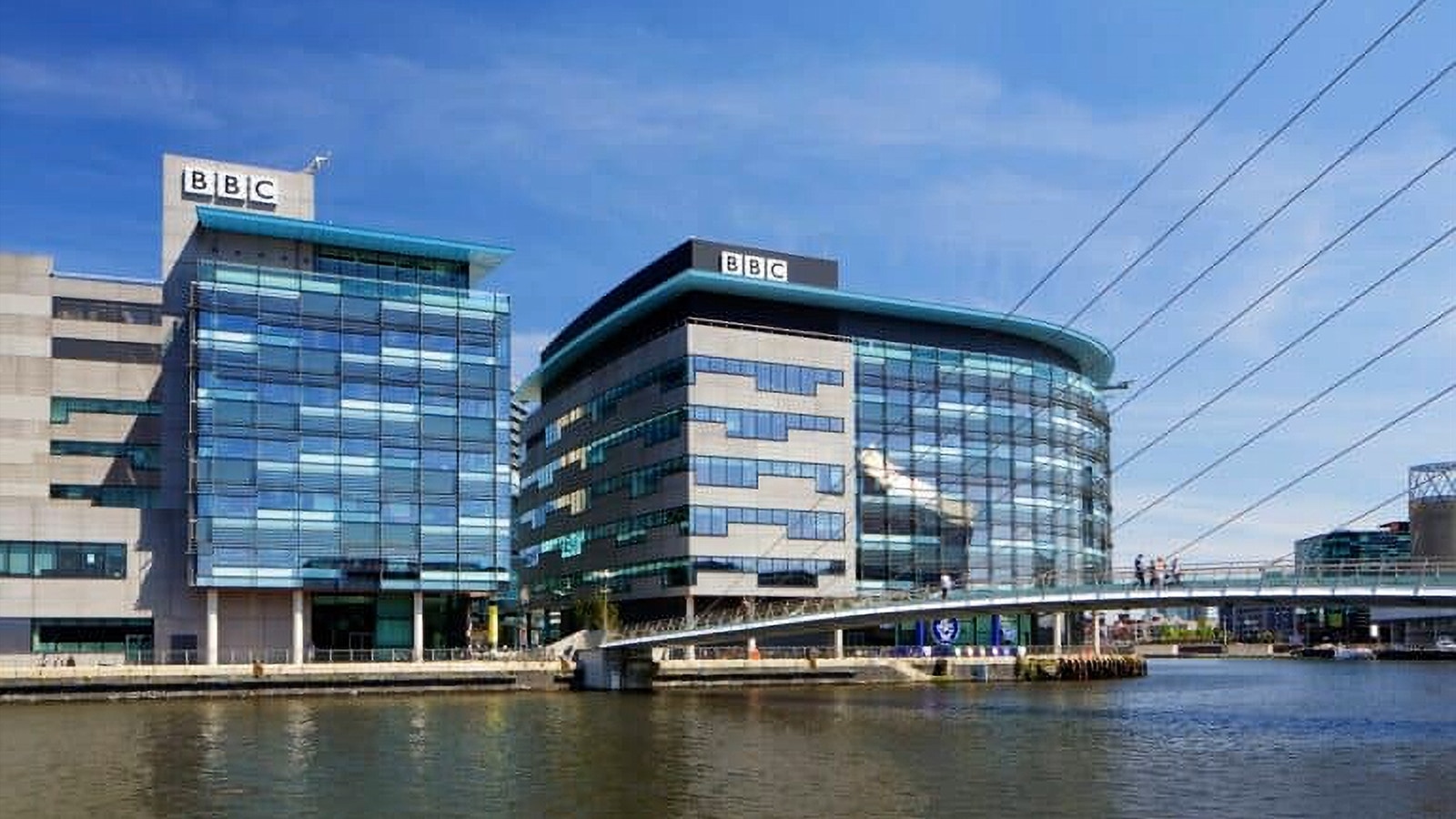

The BBC has announced a strategic move to cut 155 jobs as part of its cost-saving measures.
- This decision is expected to save the corporation around £24 million, or 4% of its budget.
- The job cuts are part of a larger strategy involving 1,200 post closures and 700 new job creations.
- Specific services like Asian Network News and HARDtalk will face closures, affecting news production.
- The BBC’s aim is to become more financially agile, responding to significant pressures.
The BBC has recently disclosed its intention to eliminate 155 positions within its news division, aligning with a broader cost-cutting initiative. This move is projected to save the organisation approximately £24 million, equating to 4% of its current budget, as described in an internal memo circulated to its staff.
Initially set forth in May 2022, the BBC’s financial strategy outlined annual savings and reinvestment plans amounting to £500 million, with a subsequent additional reduction of £200 million. In total, the organisation plans to streamline over 500 roles, encompassing the closure of 1,200 positions and the introduction of 700 fresh roles, leading to a net reduction.
The news segment will face a reduction of 185 roles while concurrently establishing 55 new positions, culminating in a net decrease of 130 jobs. The media operations division is also contemplating the closure of 25 equivalent positions. However, the BBC has expressed its commitment to minimising forced redundancies through voluntary schemes.
As part of the cuts, the Asian Network News service will be discontinued, and the long-standing interview programme HARDtalk will be removed from broadcasting. Additionally, the production of news bulletins on Radio 5 Live and Radio 2 will be synchronised, with domestic stations incorporating World Service news summaries during overnight slots.
While the World Service will not be directly impacted by these reductions, it remains the subject of separate negotiations with the UK government. The BBC has articulated significant financial duress, contending that these changes are crucial for repositioning itself as a more versatile entity within the modern media landscape. The goal is to achieve £300 million in annual savings by the 2027/28 fiscal year, alongside £400 million already saved.
Public response has been marked with concern, as articulated by Michelle Stanistreet, the General Secretary of the National Union of Journalists (NUJ), who remarked that these “latest cuts represent a damaging assault on journalism and news at a time when the UK needs greater plurality and diversity of news.” She warned that even minor financial savings might disproportionately affect the comprehensive news service currently offered by the BBC.
In conclusion, the BBC’s proposed job reductions and service modifications reflect its strategic efforts to balance financial challenges with maintaining news quality amid ongoing public and industry scrutiny.

