
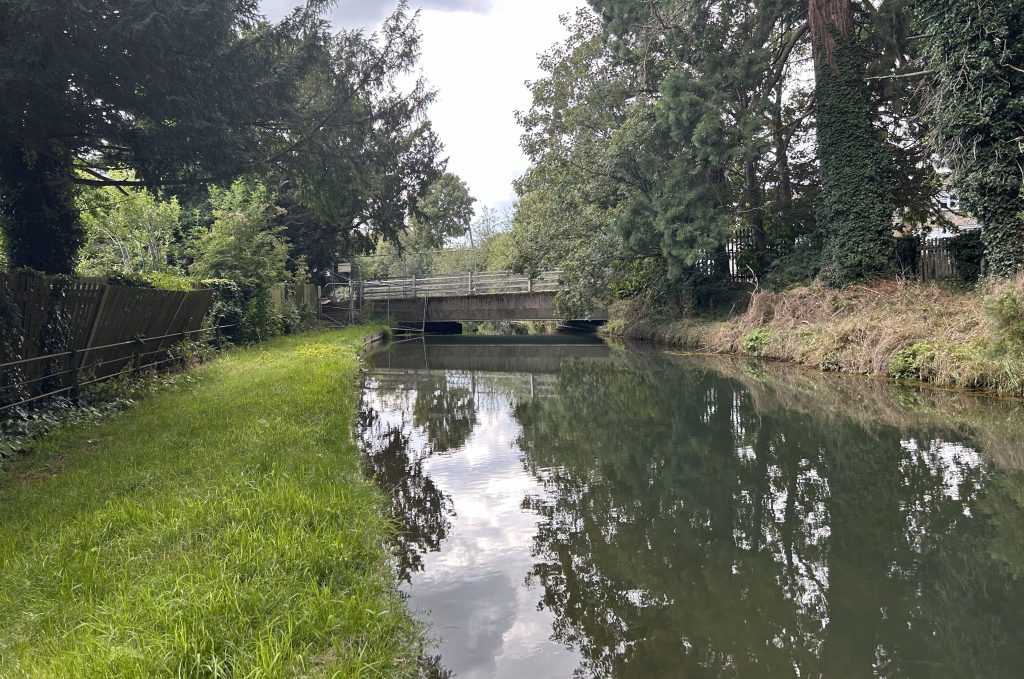

Barhale has secured a £14.8 million contract to conduct essential upgrades on the 17th-century New River aqueduct in London. The project addresses water leakage and erosion issues threatening this historic infrastructure.
- The New River, constructed in 1613, originally served to transport water from Hertfordshire springs into central London, later drawing from the River Lea.
- The upgrades involve sheet piling to fortify sections in Hornsey and Waltham Cross, chosen as a cost-effective, environmentally conscious solution.
- Utilising the Giken system, Barhale plans to mitigate noise and vibration during sheet pile installation, demonstrating innovation in construction techniques.
- Barhale is committed to environmental conservation, integrating measures like a bubble curtain to protect local ecology during the project’s execution.
Barhale has embarked on a significant £14.8 million project in collaboration with Thames Water, aimed at renovating the New River aqueduct, a critical component of London’s water infrastructure dating back to 1613. The aqueduct, which historically conveyed water from Hertfordshire to central London, has been experiencing leakage issues, particularly in the Hornsey locality, causing erosion of the embankment. Immediate actions have been taken previously, including diverting seepage to prevent flooding, but comprehensive renovations are now necessary.
Rachel Whiteman from Thames Water highlighted the need for expansive repairs due to persistent leakages identified during yearly inspections. To combat these issues, Barhale is implementing sheet piling, a method revised from the initial plan of constructing a concrete channel. This approach not only addresses the root causes but also aligns with environmental considerations, as the sheet piles will naturally blend into the riverside as they weather over time.
The Giken system will be employed to install these sheet piles, employing a ‘press-in’ technique that eschews the traditional noisy and disruptive pile-driving methods. This innovation serves a dual purpose of minimising community disruption in densely populated North London areas and illustrating a forward-thinking approach to infrastructure management.
In addition to Hornsey, Barhale’s operations extend to the Waltham Cross area, where sheet piling will span 1.1 kilometres. Here, the challenge lies in the towpath’s inability to bear the weight of piling machinery. Collaborating with specialists, Barhale has adopted the Giken Reaction Base System to navigate this obstacle, leveraging installed piles for stability and continuity in the piling process.
The initiative underscores Barhale’s commitment to preserving the local environment. Among its ecological measures is a bubble curtain designed to confine silt and prevent its dispersion during works, safeguarding aquatic life by discouraging fauna from entering construction zones. This approach is in partnership with Frog Environmental and highlights a conscientious effort to harmonise engineering practices with ecological preservation.
Barhale’s project on the New River aqueduct exemplifies a strategic and environmentally mindful upgrade of pivotal historic infrastructure.

