
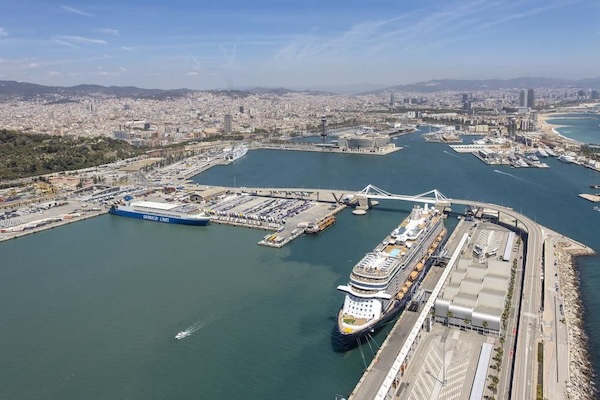

Barcelona’s mayor has announced an anticipated rise in the tourist tax for cruise passengers, aimed at controlling overtourism.
- The proposed tax hike targets cruise passengers who spend less than 12 hours in the city, intensifying the economic contribution expected from short-term visitors.
- The tax, currently €7 per day, is set to increase, although the exact amount remains undisclosed as discussions with the Catalan regional government continue.
- Aimed at mitigating the occupation and saturation of public spaces, the raised funds will be invested in high-foot-traffic areas and social projects.
- The initiative aligns with efforts in Spanish tourist destinations to balance tourism benefits with residents’ rights.
In an effort to address the ongoing challenges of overtourism, Barcelona is poised to increase the tourist tax levied on cruise ship passengers, particularly those visiting for less than 12 hours. This initiative is part of broader measures to ensure that the economic impacts of tourism are equitably shared with the city’s residents.
Currently set at €7 per day, the proposed increase reflects the city’s commitment to managing public spaces and counteracting the adverse effects of brief but intensive tourist activities. Barcelona’s mayor, Jaume Collboni, highlighted the necessity for cruise visitors to pay sufficiently for their stay, reinforcing the principle that tourism should benefit rather than burden the local community.
Although the specific amount of the tax increase has not been confirmed, the administration is in active discussions with the Catalan regional government to finalise a mutually agreeable rate that supports urban and social development projects.
Cruise tourism, while economically beneficial, often results in significant use of city resources without overnight stays, creating a sensation of overcrowding and strain on infrastructure. The revenue generated will be earmarked for improvements in areas with high foot traffic, as well as essential social services like school air conditioning installations.
This strategy reflects a growing trend among Spanish cities to ensure that tourism does not compromise citizens’ rights to housing and quality of life. Mayor Collboni reiterated that the rise is not intended to deter tourists but to balance visitor impact with local needs, encapsulating a vision of sustainable tourism that prioritises the well-being of Barcelona’s residents.
Barcelona’s proposed tax increase on cruise passengers exemplifies a strategic shift towards sustainable tourism management.

