
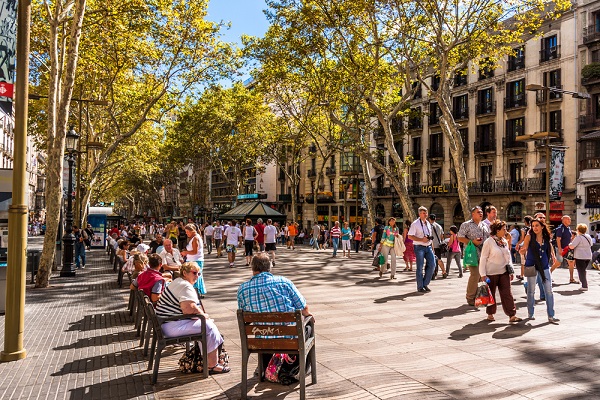

Barcelona witnesses another anti-tourism protest, with tourists dining in the city being directly targeted. This event marks the latest in a series of demonstrations across Spanish tourist hotspots.
- The La Ramblas district saw tourists being soaked by water pistols wielded by protesters, reflecting growing local discontent.
- Protesters symbolically sealed hotels and restaurants, signifying opposition to the surge in tourism and its consequences.
- Around 3,000 residents participated, urging for a sustainable tourism model to curb mass tourism in Barcelona.
- Mayor Jaume Collboni reassured citizens of ongoing measures to limit mass tourism and mitigate its impacts.
In a dramatic display of dissent against the influx of tourists, crowds gathered in Barcelona’s renowned La Ramblas district to stage an anti-tourism protest. Tourists enjoying their meals were unexpectedly drenched by activists using water pistols, in a symbolic act to capture attention and voice frustration against what local residents describe as overwhelming mass tourism.
The protest extended beyond water pistol antics as demonstrators proceeded to seal off entry to hotels and restaurants. This act served as a powerful message, highlighting the growing opposition residents feel towards the profound impact tourism has had on their daily lives. With the influx of visitors, locals argue the city’s resources are being heavily strained, causing a rise in living costs.
According to local reports, the protest attracted approximately 3,000 residents rallying against the unchecked growth of tourism. The residents are advocating for the adoption of a sustainable model to manage tourism in Barcelona. Concerns were particularly focused on how the rise of rental properties catering to tourists has led to a significant 61% increase in property prices over the last decade.
During the protest, the mayor of Barcelona, Jaume Collboni, used social media platforms to assure the city’s populace of his administration’s commitment to addressing the challenges posed by overtourism. His remarks emphasized a “firm commitment to limiting mass tourism and its consequences,” aligning with the sentiment shared by the protestors.
The protest in Barcelona is not an isolated one; it is part of a broader movement that has gained momentum in other Spanish cities such as Malaga, Palma, and regions across the Canary Islands. These protests encapsulate a burgeoning sense of urgency among Spanish citizens to address the rapid expansion of tourism before it further erodes the quality of local life.
The wave of protests across Spain underscores the urgent need for sustainable tourism strategies to ensure balanced coexistence between tourists and local communities.

