
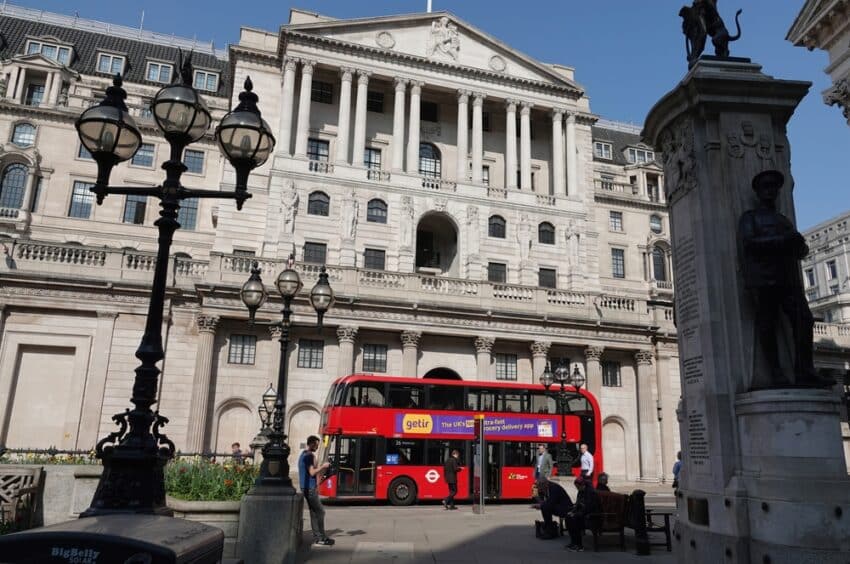

The Bank of England has announced a reduction in interest rates, now set at 4.75%. This decision arrives as the Bank responds to changes in inflation and economic conditions. Businesses and consumers across the UK may find some relief in this adjustment.
This interest rate change comes after careful deliberation by the Monetary Policy Committee (MPC). Their choice reflects ongoing adjustments in the nation’s economic climate, where inflationary pressures are showing signs of easing. As the UK economy navigates the complex interplay of domestic and global factors, this rate cut could mark a pivotal moment.
Monetary Policy Committee Decision
The Bank of England’s recent decision to reduce interest rates to 4.75% comes as the nine-member Monetary Policy Committee (MPC) unanimously voted for this change. This decision aligns with projections indicating a potential decline in inflationary pressures. This move is seen as part of ongoing efforts to support economic stability amid fluctuating fiscal dynamics.
Despite the introduction of new fiscal policies in Chancellor Rachel Reeves’s budget, the rate cut aims to mitigate rising costs. With a 1.2% hike in employers’ National Insurance contributions set for April, businesses are bracing for increased expenses. Concerns over inflation persist, influenced by both domestic policy adjustments and external factors.
International Implications
Donald Trump’s recent electoral victory has raised fears about a trade war, as his proposed tariffs on imports could escalate costs for UK enterprises. This situation places additional pressure on the Bank of England to navigate economic policy carefully.
The prospect of higher tariffs might contribute to inflationary tendencies, affecting both business operations and consumer markets. Economists have warned that these developments could necessitate more cautious monetary policies, potentially complicating the Bank’s strategy to balance growth and stability.
Domestic Economic Indicators
Recent data reflects a mixed economic landscape. With regular wage growth slowing to its lowest in two years at 4.9%, there is an evident shift in employment cost trends.
Headline inflation has seen a decline to 1.7% from 2.2% in the previous month. This reduction presents a more favourable economic environment, encouraging the Bank to proceed with rate cuts to support economic momentum.
Catherine Mann, an external member known for her stringent monetary stance, has advocated for continued caution to manage inflation effectively. Meanwhile, Governor Andrew Bailey is considering a more dynamic approach to rate adjustments, striking a balance between caution and economic stimulation.
Market Reactions
The recent budgetary announcements have led to noticeable shifts in market dynamics, particularly seen in the 25 basis point rise in UK government bond yields.
These changes reflect the market’s response to fiscal pressures, excluding the impact of previous mini-budgets, highlighting a significant strain on investment sentiment.
Analysts from Nomura have noted that the current decline in inflation and wage growth offers the Bank of England greater flexibility in its monetary policy. This could allow for more rate cuts over the coming year, according to projections.
Business Sentiment
The rate cut has been met with a degree of cautious optimism among businesses. It provides a semblance of relief amid broader economic challenges.
Mike Randall, CEO of Simply Asset Finance, remarked that while the rate cut is a positive step, additional measures are essential for sustained growth. His comments highlight the ongoing need for governmental encouragement to bolster investment and economic resilience.
Future Projections
Goldman Sachs has forecasted a potential drop in UK interest rates to 3% by September 2025, suggesting a continued downward trajectory in borrowing costs.
These predictions, however, are tempered by underlying uncertainties, particularly those linked with ongoing fiscal adjustments and international trade uncertainties.
The current monetary policy endeavors to fortify the UK economy, safeguarding against domestic and foreign pressures. The Bank of England remains vigilant, ready to adapt to changing economic conditions as necessary.
Conclusion Paragraph
In summary, the Bank of England’s decision to cut interest rates reflects a strategic response to evolving economic pressures. The move is designed to nurture economic growth while managing inflation and other fiscal challenges effectively. As the UK navigates these complexities, vigilant monetary policy remains crucial to maintaining stability and encouraging long-term investment.
The interest rate cut by the Bank of England represents a calculated move to support economic stability. By addressing inflation and economic growth, the Bank aims to foster a resilient financial environment for the UK. This decision underscores the importance of adaptive monetary policies in achieving long-term economic goals.

