
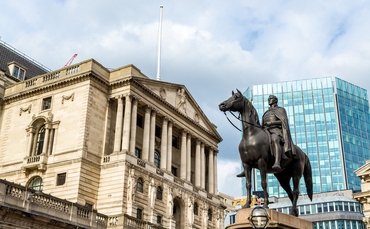

The Bank of England has reduced its interest rate to 4.75%, aligning with market expectations.
- This decision follows a reported decline in UK inflation, which is now below the Bank’s target of 2%.
- Monetary Policy Committee members largely agreed on this cut to stimulate economic growth.
- Despite easing inflation, some domestic pressures remain unresolved, according to officials.
- Future projections suggest a slight increase in inflation and a modest GDP growth.
The Bank of England has announced a decision to cut interest rates by 25 basis points, bringing the rate down to 4.75%. This adjustment aligns with the market’s expectations and reflects a strategic move in response to the evolving economic landscape. With inflation cooling, the bank aims to steady the economy by making borrowing more affordable.
The decision was largely supported by members of the Monetary Policy Committee (MPC), who voted almost unanimously in favour of the rate reduction. This move comes on the heels of a period where inflation in the UK has fallen below the central bank’s 2% target, indicating a significant easing of inflationary pressures.
According to a statement by the MPC, the decline in inflation can be attributed partly to the unwinding of external global shocks. However, they caution that some domestic inflationary pressures are resolving at a slower pace. The Bank of England remains vigilant in monitoring these dynamics as they work to stabilise the economic environment.
Looking ahead, the bank anticipates that inflation might climb to approximately 2.5% by the year’s end. This forecast suggests that while the immediate pressure has eased, vigilance is necessary to navigate the potential rise in inflation. Concurrently, the bank projects that GDP growth will slow slightly, with an expected rate of 0.25% per quarter over the coming months.
The Bank of England’s rate cut exemplifies its strategic approach to managing economic conditions amid mixed signals of inflation and growth.

