
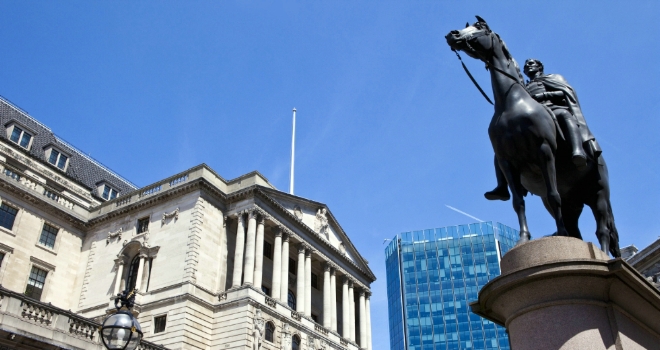

The Bank of England has reduced its interest rate to 4.75%, following a majority vote by its Monetary Policy Committee.
- The decision to cut rates was not unanimous, as one MPC member voted to maintain the current rate of 5%.
- Economic experts express varying opinions on future rate changes, influenced by the recent Budget and inflation forecasts.
- CPI inflation, which had previously decreased, is expected to rise, potentially affecting future interest rate cuts.
- The central bank signals confidence in the UK’s economic growth, despite potential market volatility post-Budget.
The Bank of England’s Monetary Policy Committee made a significant move by voting 8–1 to lower the interest rate from 5% to 4.75%. This decision marks the second cut following the one in August, which had reduced the rate from 5.25% to 5%. Notably, one committee member held a dissenting view, preferring to keep the rate unchanged at 5%.
Market analysts are divided on the prospect of further rate cuts in December. The recent Budget announcement has altered some expectations, leading to a cautious outlook. Economists suggest that the Budget’s impact could slow down the rate reductions initially anticipated.
Current inflation trends also play a critical role in shaping monetary policy. After falling to 1.7% in September, CPI inflation is projected to rise to around 2.5% by year’s end. This anticipated increase results from factors including the diminishing effect of low energy prices in the annual comparison.
Rob Morgan of Charles Stanley believes the Budget could elevate UK interest rates further, despite calls for cuts. He highlighted concerns over service sector inflation and the effects of increased national insurance costs on employers.
The Budget’s fiscal measures have sparked debate on their inflationary pressures, with forecasts indicating above-target price increases in the coming years. Governor Andrew Bailey’s previous suggestion of aggressive rate cuts now seems improbable given these inflation concerns.
Conversely, some experts maintain optimism regarding the Bank’s direction. Tim Parkes from RAW Capital Partners noted that market reactions to the Budget were reassured enough to not deter the current rate path. The Monetary Policy Committee appears to favour a transition towards a more accommodative monetary policy.
Despite these complexities, the recent rate cut is welcomed as it supports lending and the property market. Expectations for continued demand in specialist finance suggest that borrowers will benefit if they can navigate the evolving landscape.
The Bank of England remains cautiously optimistic as it navigates economic growth alongside inflationary pressures.

