
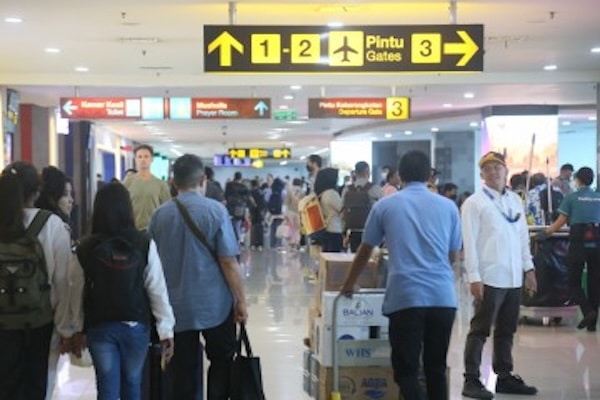

Following the recent volcanic eruption, air travel to and from Bali faced severe interruptions. However, as the ash cloud diminishes, flights are gradually resuming. The unexpected event left many passengers stranded and caused significant disruptions.
Airlines, including Qantas and Virgin Australia, have begun to restore their services. The situation is improving, with airlines closely monitoring the volcanic activity. Affected passengers are being contacted directly regarding their travel arrangements.
Volcanic Eruption Causes Travel Chaos
The eruption of Mount Lewotobi Laki-laki resulted in an ash column over six miles high, severely impacting air travel. Situated in East Nusa Tenggara province, the volcano caused the cancellation of numerous flights to and from Bali.
Significant flight disruption ensued, affecting airlines such as Qantas, Jetstar, and Virgin Australia. The ash cloud’s impact extended to flights operated by major carriers like Cathay Pacific and Qatar Airways.
Many passengers experienced cancellations and delays, with some being evacuated due to the danger posed by the volcanic activity. This incident highlights the unpredictable nature of volcanic eruptions and their effects on global travel.
Airlines Respond to the Crisis
Airlines have responded promptly to the crisis, cancelling and rescheduling flights as needed. Qantas, for instance, took proactive measures to ensure the safety of its passengers and crew.
Virgin Australia also suspended operations temporarily, prioritising passenger safety amidst changing conditions. The coordination between airlines and local authorities played a crucial role in addressing the crisis swiftly.
Airlines are continuously updating passengers on the status of their flights, employing various communication channels, including direct notifications and social media updates.
Recovery Efforts Underway
With the ash cloud dissipating, recovery flights are being organised to accommodate stranded passengers.
Qantas and Jetstar have resumed operations between Australia and Denpasar, while Virgin Australia has reinstated its full schedule.
Efforts are focused on restoring normalcy, with airlines working tirelessly to clear the backlog of affected flights.
Passengers are advised to stay informed through official channels and airline communications.
Local Impact and Evacuation Measures
The eruption had a devastating impact on local communities. Nine fatalities were reported, and over 15,000 people were evacuated from areas near the volcano.
Evacuation measures were implemented swiftly, with local authorities and emergency services working together to ensure the safety of residents.
Temporary shelters have been established for evacuees, providing essential support and relief during this challenging time.
The community’s resilience is commendable, with efforts underway to rebuild and recover from this natural disaster.
Future Outlook for Bali Air Travel
As flights resume, the future outlook for Bali air travel appears promising. Airlines are committed to maintaining safety while restoring services.
Traveller confidence is expected to rebound with the resumption of flights, although ongoing monitoring of volcanic activity remains essential.
The tourism sector in Bali is showing signs of recovery, with efforts to attract visitors back to the island.
Communication and Passenger Support
Airlines have prioritised clear communication with passengers throughout the disruption. Frequent updates have been provided to keep travellers informed.
Support services have been enhanced to assist passengers affected by cancellations and delays. Dedicated helplines and online resources offer guidance on rebooking and compensation.
The emphasis on passenger support reflects the airlines’ commitment to customer satisfaction and safety.
Lessons Learned from the Incident
This incident has underscored the importance of contingency planning in the aviation industry. The swift response by airlines set a precedent for managing future disruptions.
Cooperation between airlines, airport authorities, and emergency services was crucial in mitigating the impact of the eruption. Effective communication played a vital role in ensuring passenger safety.
Ongoing reviews and updates to crisis management protocols are expected to enhance the industry’s resilience against similar events.
Passenger Experiences During the Disruption
Many passengers have shared their experiences on social media, expressing frustration and gratitude. The disruption tested travellers’ patience and adaptability.
Some passengers praised the airlines for their efforts in providing updates and rescheduling flights promptly.
Despite the challenges, the sense of community among travellers was evident, with many sharing tips and support.
Conclusion and Moving Forward
As Bali’s air travel situation stabilises, concerted efforts to resume normal operations continue.
The experience highlights the aviation industry’s resilience and adaptability in the face of unforeseen natural events.
Clear communication, effective crisis management, and robust passenger support remain priorities for airlines and authorities alike.
The gradual return to normalcy for Bali flights marks a positive development after the volcanic disruption. Air travel is expected to stabilise further in the coming days.

