

Despite widespread speculation, the anticipated pension reforms in the Autumn Budget did not materialise.
- Chancellor Rachel Reeves introduced a £40bn tax increase without impacting workplace pensions.
- Rumoured changes like altering the 25% tax-free lump sum were not included.
- National Insurance contributions on pensions were considered but unimplemented.
- The lifetime allowance’s potential re-introduction was also absent from the announcement.
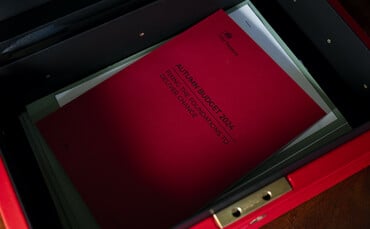
Chancellor Rachel Reeves presented the inaugural Budget of this parliamentary term, marking a significant occasion as it was the first Labour Budget in over 14 years. One of the most anticipated aspects of the announcement was how the Chancellor would address the growing fiscal demands through substantial tax increases amounting to £40bn. Notably, however, workplace pensions remained untouched in her efforts to raise revenue, surprising many who expected significant reforms.
In the days preceding the Budget, speculation abounded regarding possible adjustments to the pension landscape. Prominent among these were discussions about the possible reduction or complete removal of the 25% tax-free lump sum, a benefit that has long been a cornerstone of the UK’s pension system. However, Reeves chose not to implement such measures, leaving the tax-free allowance intact and providing relief to many retirees.
Another point of interest was whether National Insurance contributions might be levied on pension contributions. This idea, which had been floated as a potential revenue stream, would have represented a marked shift in how pensions are taxed. Despite the discussions, no action was taken in this area, allowing current pension contribution structures to remain as they are.
Additionally, the potential return of the lifetime allowance, a limit previously abolished, was anticipated by industry experts. The absence of this measure in the Budget further contributed to the sense that major pension reforms were unlikely to occur in the immediate term.
The Autumn Budget proceeded without the anticipated pension changes, much to the surprise of observers and analysts.

