
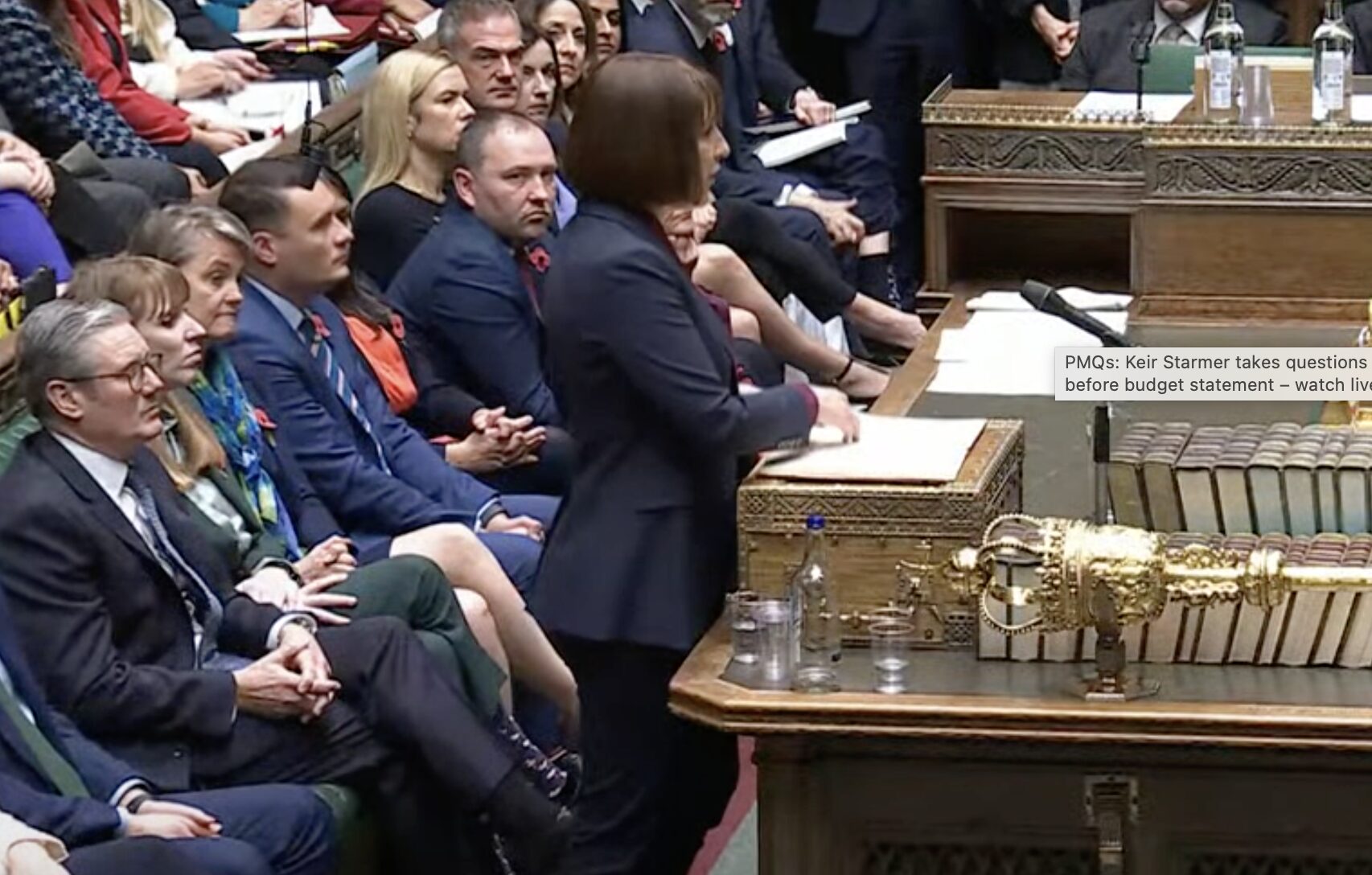

In a decisive move, Chancellor Rachel Reeves announced the freezing of Inheritance Tax thresholds until 2030, influencing the financial landscape significantly.
- The freeze continues from previous policies, maintaining the tax-free allowance for estates up to £325,000, extending to £500,000 with a residence.
- Changes are set for property and business relief from April 2026, impacting assets above £1 million with a new relief scheme.
- A 50% relief on inheritance tax is introduced for shares in the alternative investment market, effective at a 20% rate.
- Financial experts recommend citizens revisit estate planning to navigate potential increased tax liabilities successfully.
In today’s announcement, Chancellor Rachel Reeves confirmed that Inheritance Tax (IHT) thresholds will remain unchanged until 2030. This move follows the previous government’s action that extended the freeze until 2028. With this policy, estates valued at £325,000 or less can be inherited without any tax implications. Moreover, if a residence is included in the estate, the exemption increases to £500,000. For those transferring a tax-free allowance to a surviving spouse or civil partner, the threshold may reach up to £1 million.
Reeves identified a significant loophole from earlier legislation, which widened after the lifetime allowance was removed. The government now plans to address this by incorporating inherited pensions into IHT from April 2027. This means pensions passed in this manner will attract inheritance tax charges potentially impacting estate values.
From April 2026, the rules for property relief and business property relief will be adjusted. While the first £1 million of combined business and agricultural assets will remain exempt from IHT, assets exceeding this amount will face a 50% relief. Essentially, it imposes a tax rate of 20% on the value exceeding the threshold, which may notably affect high-value estates. The Chancellor assured support for small family farms, noting that most claims—approximately three-quarters—would remain unaffected by these amendments.
Additionally, shares traded on the alternative investment market and similar exchanges will benefit from a new inheritance tax relief. These will be subject to a 50% relief on IHT, effectively setting the rate at 20%. This change might stimulate investor interest in these markets, given the potential tax advantages.
Stephen Lowe from Just Group remarked on the implications of these changes. He suggested that the extended freeze in IHT thresholds could involve more estates and highlighted the necessity for effective estate planning. With ongoing fluctuations in property prices, there’s a likelihood of significant estates creeping into the IHT bracket, making it crucial for individuals to frequently assess the value of their assets.
The financial landscape is reshaped by these budget announcements, urging citizens to adjust their estate planning strategies.

